The $800 Sanding Mistake Pros Never Make Between Coats
A smooth, durable paint finish depends on much more than applying quality paint. One of the most expensive and common mistakes homeowners make happens between coats, when improper sanding destroys adhesion and finish quality. Professionals understand that surface preparation is the foundation of lasting results. Missing one key step can lead to costly rework, wasted materials, and frustration.
This sanding error may look small, but it can easily cost hundreds of dollars to fix once paint starts peeling or showing texture defects. Understanding what goes wrong and how to prevent it helps homeowners save both money and time.
What Causes the $800 Sanding Mistake
After a coat of paint or primer dries, sanding smooths the surface and removes small imperfections. The problem begins when sanding dust remains on the surface. Even a thin layer of fine powder prevents the next coat from bonding properly. The result is poor adhesion, uneven sheen, or visible swirl marks that show through the finish.
Professionals never skip the cleaning stage after sanding. Homeowners sometimes assume a quick wipe with a dry cloth will do, but dust clings tightly to small surface pores. When trapped under a new coat, that dust weakens the bond, eventually causing flaking or dull patches.
Why It Becomes So Expensive
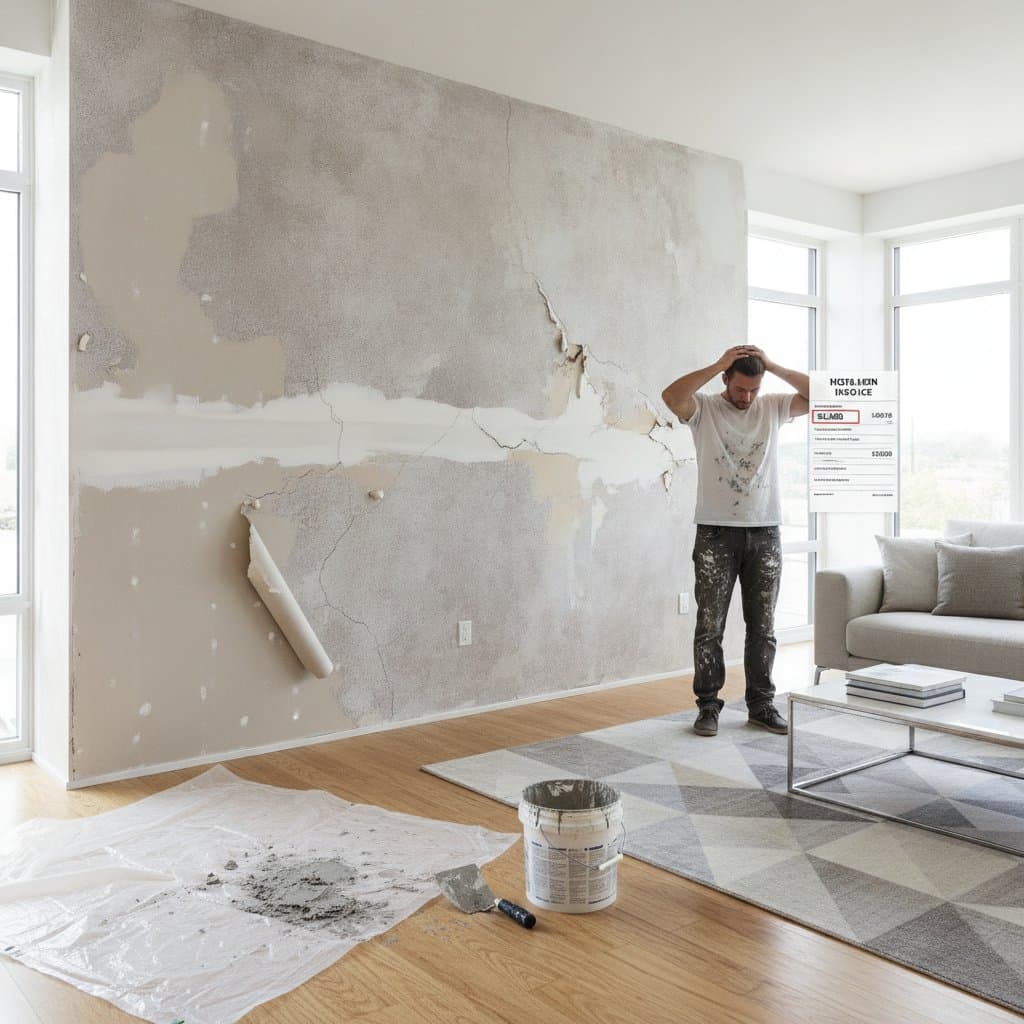
Correcting poor adhesion often requires full repainting. The painter must sand the affected area again, reapply primer, and apply fresh coats. For a medium-sized room or exterior section, that repair easily reaches $800 or more. The cost includes extra labor, new paint, and preparation supplies.
The mistake also wastes time, as every layer must dry before another can be applied. A single oversight can double the project timeline and push back other planned improvements.
How Professionals Avoid It
Painters who deliver quality finishes follow a strict process between coats.
1. Allow proper drying time. Paint or primer must fully cure before sanding. Working too soon gums up sandpaper and damages the surface.
2. Use the correct grit. Fine-grit sandpaper between 220 and 320 levels the surface without cutting through the coating.
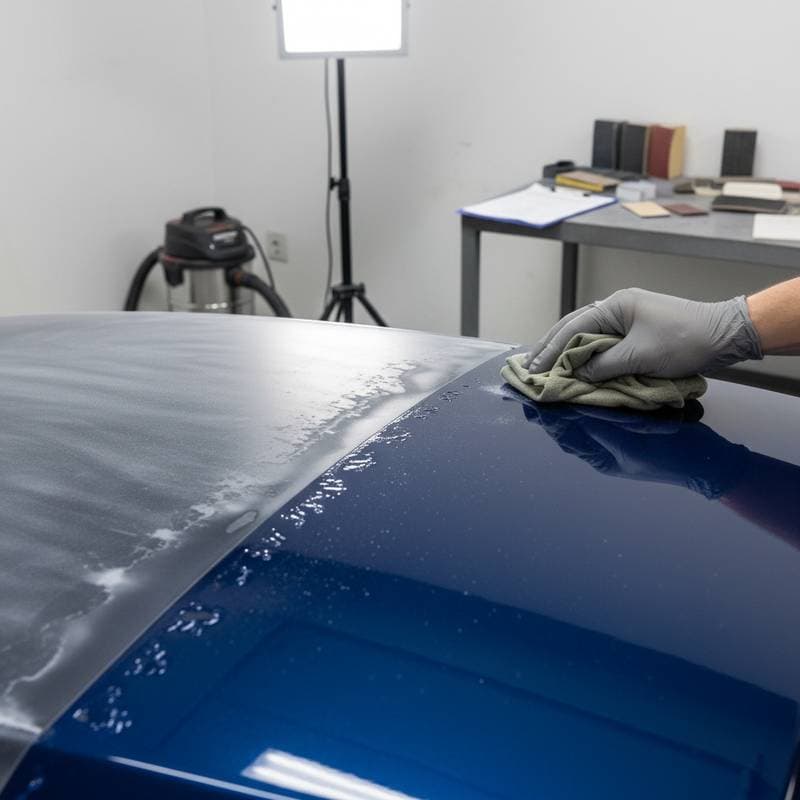
3. Clean thoroughly. After sanding, pros vacuum the surface with a soft brush attachment, then wipe it down with a tack cloth or damp microfiber towel. This removes every trace of dust before the next coat.
4. Inspect under good lighting. Professionals use bright, angled light to check for remaining dust or uneven areas.
5. Maintain environmental control. Air movement or nearby construction can reintroduce dust, so painters work in clean, contained spaces whenever possible.
DIY vs. Professional Results
Preparing Your Surfaces Correctly
- Keep tools clean and replace worn sandpaper.
- Never mix grits in the same pass.
- Vacuum and wipe surfaces before applying the next coat.
- Avoid painting in dusty conditions.
- Check manufacturer recommendations on drying and recoating times.
Frequently Asked Questions
1. How much does sanding between coats add to the project cost?
Sanding and cleaning between coats typically add $0.50 to $1.00 per square foot in labor costs when handled by a professional. The small expense prevents much larger repair costs later.
2. How long should paint dry before sanding?
Most coatings need several hours of drying before sanding, depending on humidity and temperature. Touch the surface lightly; it should feel dry and firm, not tacky, before sanding begins.
3. Can homeowners handle sanding between coats themselves?
Yes, but only with proper tools and patience. Use fine-grit sandpaper, apply light pressure, and clean thoroughly afterward. Rushing the process or skipping cleanup often leads to visible defects.
4. What should I use to remove sanding dust?
A vacuum with a soft brush attachment works best, followed by a tack cloth or damp microfiber towel. Avoid paper towels or dry rags that can push dust back into surface pores.
5. How can I tell if poor sanding caused a paint problem?
If new paint peels easily or shows dull patches and rough texture, residual dust or improper sanding is often the cause. These signs usually appear within days of painting.
6. What is the best way to prevent sanding mistakes on large projects?
Break the job into sections, inspect each carefully under bright light, and clean as you go. Working systematically prevents overlooked spots and ensures consistent adhesion across the entire surface.