The Real Reason Exterior Paint Jobs Cost $8K in 2026
Homeowners across the country have noticed that exterior painting quotes from reputable contractors are higher than before. A typical full exterior repaint that once cost around five or six thousand dollars can now exceed eight thousand. This increase often surprises homeowners who expect paint projects to remain relatively stable in price.
Understanding where this number comes from helps make sense of modern market conditions and ensures better planning for any exterior refresh. Exterior painting involves far more than color changes. It combines surface preparation, material selection, weather timing, and skilled labor.
Factors Affecting Exterior Paint Costs
Several conditions influence why exterior painting has reached higher price levels across the industry. Understanding these factors helps homeowners evaluate quotes and set realistic budgets.
Labor Costs and Skilled Trade Shortages
Professional painting requires trained labor, especially for multi story homes or challenging surfaces. Labor costs have risen consistently due to a shortage of experienced painters. Many contractors report that labor now represents more than half the total project cost.
Painters must handle surface cleaning, scraping, priming, and safe ladder or lift operation. These tasks require skill and time that add to overall expenses.
Paint Material Prices
Modern exterior paints feature improved durability, UV resistance, and weather protection. These innovations come at a cost. Premium paints with longer warranties, mildew resistance, and color retention can cost two to three times more than basic options.
Paint manufacturers have also faced rising raw material expenses for resins, pigments, and packaging. These increases directly affect retail prices passed on to customers.
Surface Preparation Requirements
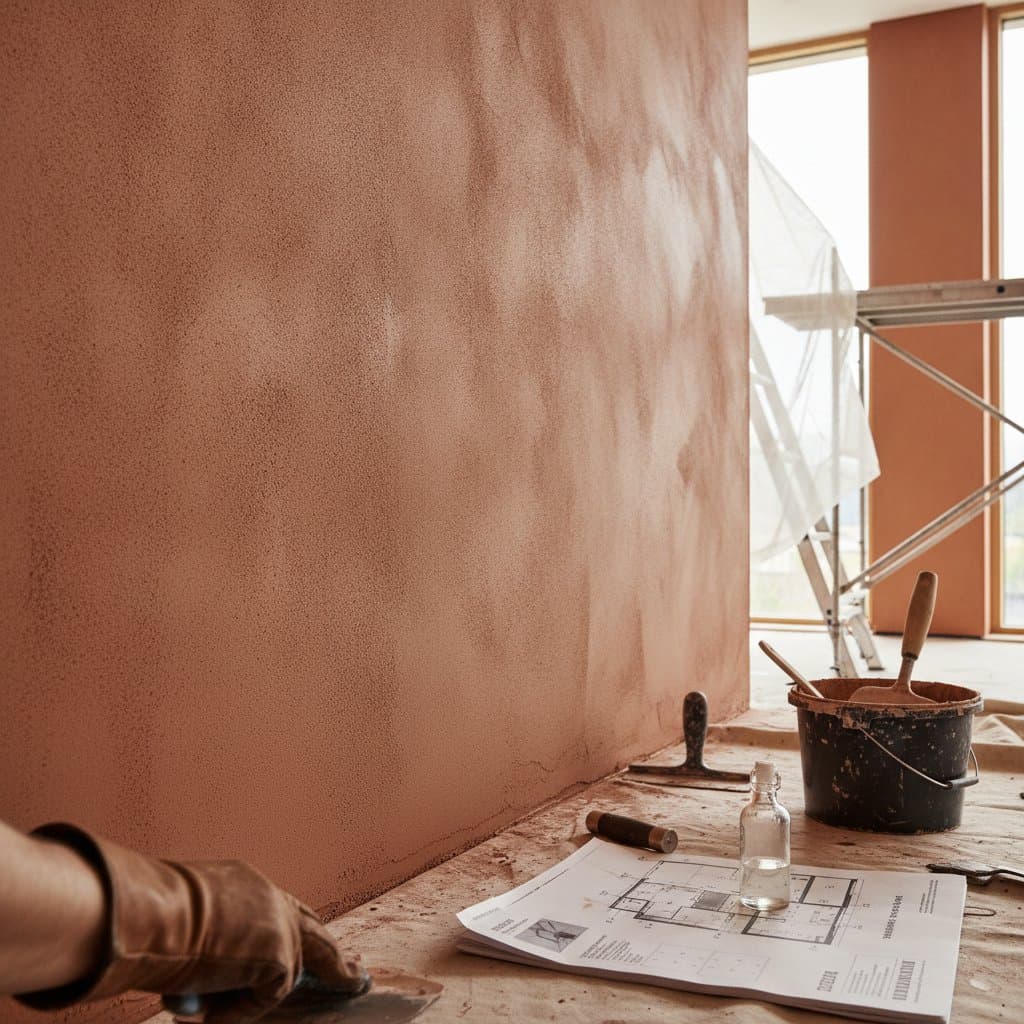
Preparation determines how long a paint job lasts. Homes with peeling paint, wood rot, or mildew require repairs before painting begins. Pressure washing, sanding, caulking, and priming add labor hours and materials.
Skipping these steps may reduce upfront cost but leads to peeling or fading within a few seasons. Proper preparation often adds 10 to 30 percent to total project cost but extends the life of the finish significantly.
Access and Complexity
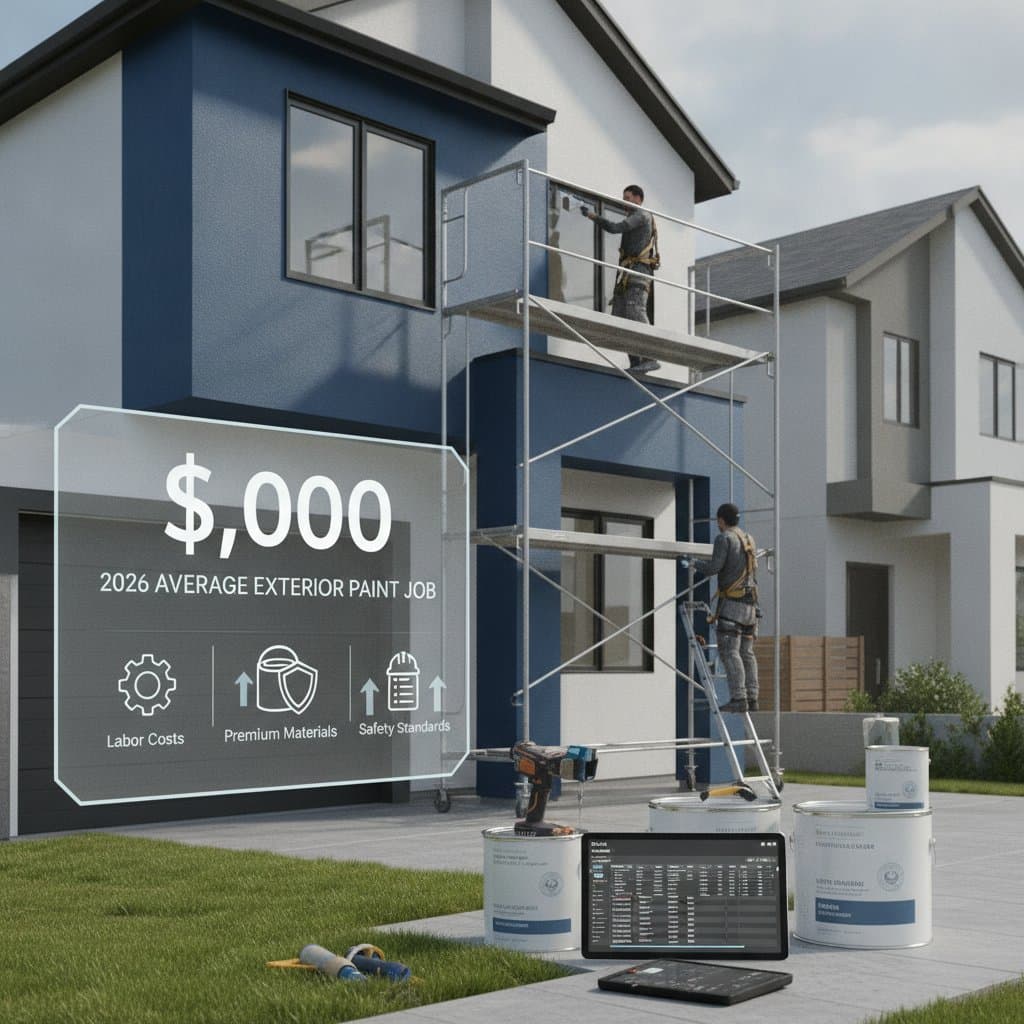
Two story homes, steep rooflines, or uneven terrain increase complexity. Contractors need ladders, scaffolding, or lifts, which require additional setup and safety measures. Trim details, shutters, and window frames also increase hourly labor time.
A single story ranch with smooth siding may take half the time of a multi level home with intricate architectural details.
Regional and Seasonal Factors
Local labor rates, material availability, and climate all influence pricing. Coastal regions often experience faster wear from salt air and moisture, requiring specialized coatings. Areas with harsh winters shorten the painting season, which increases demand during favorable months.
Contractors may charge higher rates during peak season to manage scheduling and crew availability.
Why the Average Price Is Now Around $8,000
Several cost drivers have converged to raise the baseline cost of exterior projects.
- Material inflation: Paint and primer costs have climbed due to global supply issues.
- Labor shortages: Fewer skilled painters are available, raising wages and scheduling premiums.
- Quality expectations: Homeowners increasingly request premium paints that last longer and require fewer repaints.
- Safety and compliance: Updated safety standards require more equipment and insurance coverage for crews.
- Maintenance standards: Many contractors now include minor repairs and prep as part of comprehensive service packages.
When combined, these factors make $8,000 a realistic average for professional quality work on a medium sized home.
Value and Return on Investment
An exterior paint job is not just cosmetic. It protects the home from moisture, sun, and temperature fluctuations. Quality work can extend siding life and prevent costly structural repairs.
The return on investment often appears both financially and visually. Homes with fresh, well applied exterior paint can boost curb appeal and resale value by several thousand dollars.
Premium paints that last 10 years or more reduce repaint frequency, saving long term maintenance costs. While the upfront expense is higher, the cost per year of protection is lower compared to cheaper paints that require frequent touch ups.
Money Saving Strategies Without Sacrificing Quality
Homeowners can take several steps to manage costs while maintaining high quality results.
Schedule During Off Peak Periods
Booking early or during less busy months may reduce labor rates. Contractors often offer better availability and sometimes small discounts when demand is lower.
Handle Minor Preparation Yourself
Tasks like clearing landscaping, removing hardware, or gentle washing can reduce labor hours. Leave sanding and priming to professionals, but simple prep steps can save several hundred dollars.
Choose Mid Range Paints
Top tier paints are durable but not always necessary for every surface. Mid range paints with good UV and moisture resistance provide strong performance at lower cost.
Focus on Regular Maintenance
Inspect exterior paint annually. Quick touch ups prevent small chips from becoming major peeling issues. Routine upkeep extends the lifespan of the existing finish and delays full repaints.
Request Detailed Quotes
Ask contractors for itemized estimates showing labor, materials, and prep costs separately. Transparent pricing helps compare bids accurately and identify unnecessary markups.
Planning Your Budget
Budgeting for an exterior paint project involves more than collecting estimates. Consider the following framework for realistic financial planning.
Estimate the Full Scope
Measure the home square footage and discuss surface conditions with contractors. Include trim, doors, and any detached structures to avoid unexpected add ons later.
Include a Contingency
Set aside an additional 10 to 15 percent for surprises such as wood rot or moisture damage discovered during prep. Hidden issues often appear only after old paint is removed.
Decide Between Phased or Full Projects
If the budget is tight, consider painting one or two sides of the home first, then completing the rest later. Some homeowners also focus on high visibility areas like the front facade.
Explore Financing Options
Some painting companies offer financing or staged payments that align with project milestones. This helps spread out costs while maintaining professional quality.
Professional vs DIY Comparison
While DIY painting can appear more affordable, the true cost includes time, materials, and equipment. Renting ladders, sprayers, and safety gear can quickly add up. A homeowner may still spend several thousand dollars in supplies and many weekends completing a large exterior.
Professionals bring efficiency, safety training, and warranty backed results. They can finish in a fraction of the time with even coverage and durable finish. For small outbuildings or sheds, DIY may make sense. For full homes, professional service usually delivers better long term value.
When to Repaint
Exterior paint life depends on climate, material, and paint quality. Most homes need repainting every seven to ten years, though premium coatings on well prepared surfaces can last longer. Watching for early signs of wear such as chalking, fading, or peeling helps time the next project before major damage occurs.
Frequently Asked Questions
What is the average cost for exterior painting in the current market?
Most homeowners spend between $5,000 and $12,000, with typical projects around $8,000 for a two story home. The final price depends on home size, surface type, paint quality, and preparation needs.
What factors have the biggest impact on exterior painting costs?
Labor rates, surface preparation, paint quality, and home access all drive cost differences. A home with peeling paint or complex trim can require twice as many labor hours as a smooth, single story structure.
How can I save money on my exterior paint job without sacrificing quality?
Schedule during off peak months, handle small prep tasks like trimming shrubs, and choose mid range paints that balance cost and durability. Request detailed quotes to identify where savings are possible.
Should I hire professionals or attempt this as a DIY project?
Professionals deliver faster results with warranties and proper safety measures. DIY works for small structures but often costs more in time and corrections on full homes.
How do I budget for unexpected costs in exterior painting?
Add 10 to 15 percent above the quote for hidden repairs such as rot or moisture damage. This buffer prevents project delays and maintains quality standards.
When is the best time to start an exterior painting project for the lowest costs?
Off peak months such as early spring or late fall often bring lower rates and greater contractor availability. Avoid summer peaks when demand drives prices higher.