Why Acoustic Ceiling Removal Costs Surged 55%
Popcorn ceilings, also known as acoustic ceilings, once offered sound control and straightforward installation. Today they rank among the most common removal requests during home renovations. Many homeowners encounter higher price quotes than expected. The cost of acoustic ceiling removal has increased more than 55 percent in recent years. This article examines the factors behind the rise, outlines practical management approaches, and highlights the design improvements that justify the investment.
Material Disposal and Regulation Shifts
Disposal requirements represent the primary driver of increased costs. Many popcorn ceilings contain trace materials that demand specialized handling under updated safety standards. Licensed facilities have raised fees to cover enhanced filtration systems and containment procedures. These measures apply even when test results show no hazardous substances.
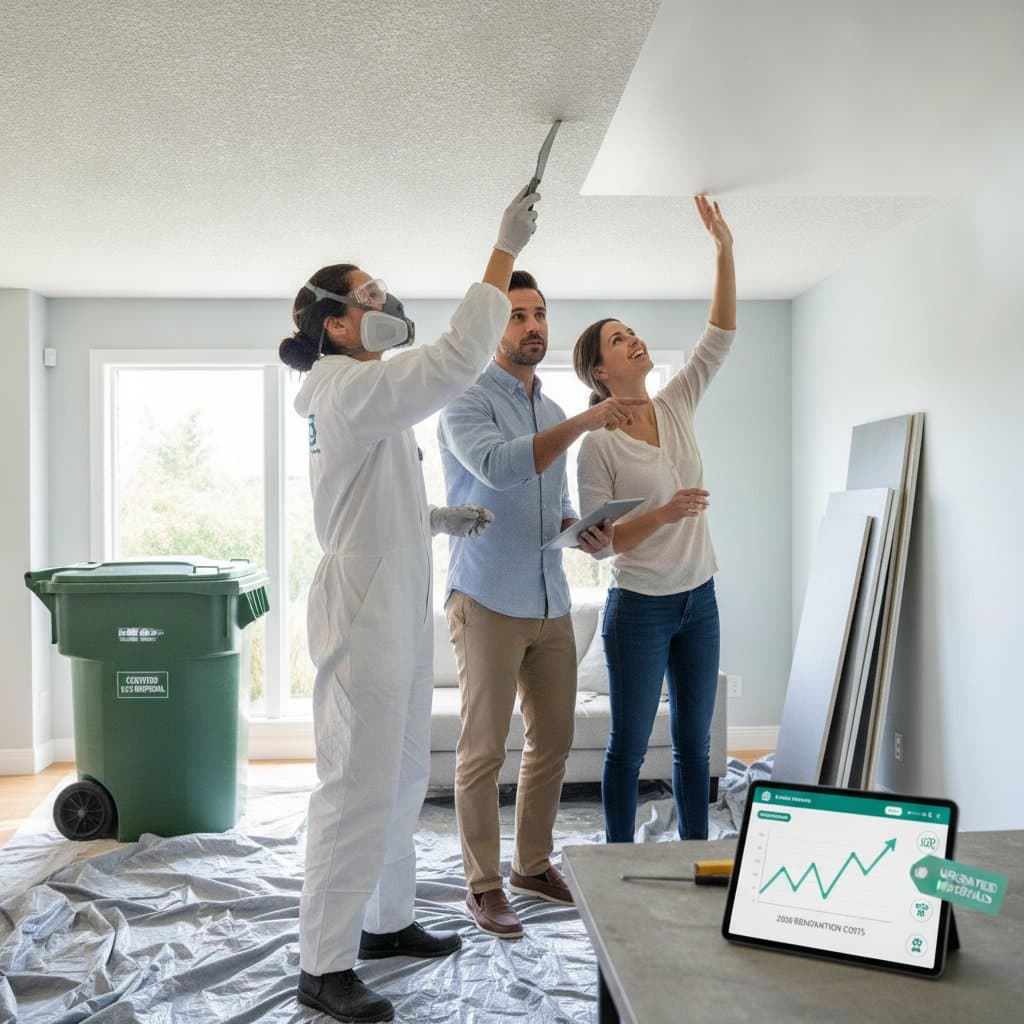
Crews now follow stricter containment protocols that include double-layer sheeting, sealed ventilation, and extended air filtration periods. Each added step increases labor hours and equipment time. Projects that previously required two days often extend to four days under current rules. The cumulative effect across the industry elevates baseline pricing for all clients.
Labor and Training Costs
Effective removal depends on precise technique. Skilled professionals maintain smooth surfaces, limit dust migration, and prepare ceilings for flawless paint application. Expanded certification programs now address safety procedures, moisture control, and surface restoration. Companies absorb higher training expenses and incorporate those costs into project estimates.
At O’Connor Painting LLC, teams apply updated tools and sealants to achieve consistent results. The finished surfaces photograph cleanly and perform well under varied lighting. Achieving this level of precision requires additional time on site, which contributes directly to overall project pricing.
Equipment and Material Upgrades
Modern removal equipment such as dustless sanding units and HEPA filtration systems improves indoor air quality during work. These units carry substantially higher purchase and maintenance costs than older models. New joint compounds and primers produce smoother finishes yet require careful temperature and humidity management during application.
Low-VOC coatings reduce residual odor and support healthier living environments. Proper use of these products demands extra preparation steps and slower application rates to ensure uniform coverage. The resulting surface requires less ongoing maintenance and accepts new paint more evenly.
Supply Chain and Scheduling Pressures
Simultaneous demand from multiple homeowners has strained material availability and crew scheduling. Prices for joint compound, primer, and containment sheeting have risen accordingly. Contractors sometimes incur overtime or extended equipment rental fees to meet deadlines. These incremental expenses accumulate across residential projects.
Similar timing pressures appear in commercial and production environments where rapid turnaround commands premium rates. Those rate structures have influenced standard residential pricing as well.
Practical Budget Strategies
Homeowners can reduce total expenditure through targeted planning. Consider the following steps:
- Test the ceiling material first to determine whether hazardous substances are present.
- Schedule work in phases across one or two rooms at a time to distribute costs.
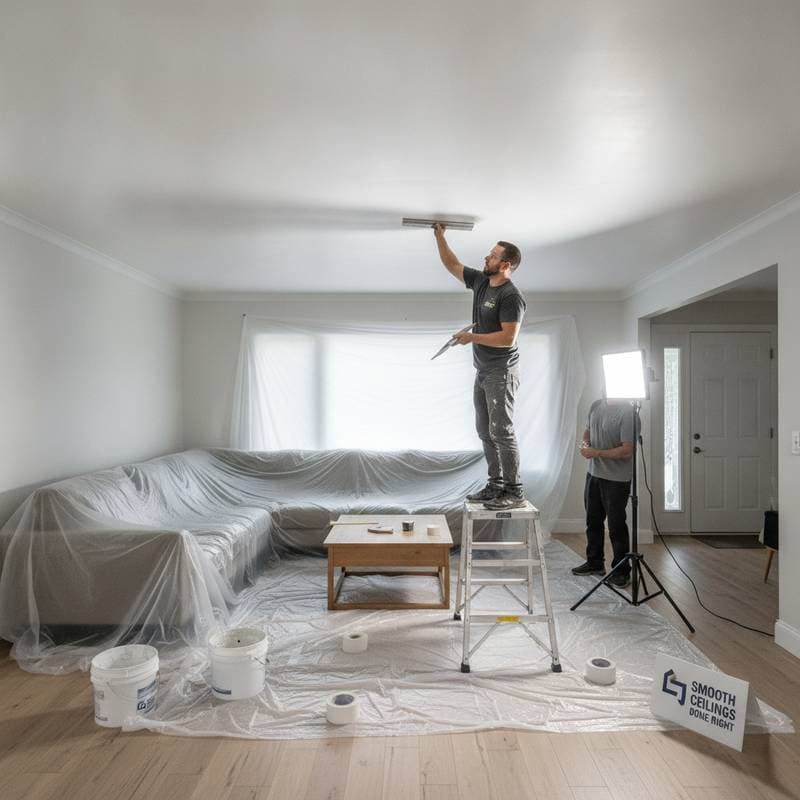
- Complete furniture protection and fixture removal before the crew arrives.
- Explore overlay textures or paneling options when full removal is not essential.
- Request quotes during slower scheduling periods when contractors may offer reduced rates.
Design and Maintenance Benefits
Removal of textured ceilings produces immediate visual changes. Rooms appear taller, light distribution improves, and wall colors retain clarity. Smooth surfaces simplify routine cleaning because dust no longer accumulates in crevices. The updated ceiling accepts a range of finishes from matte to satin without telegraphing prior texture.
These functional and aesthetic improvements remain visible daily. The investment covers both regulatory compliance and long-term surface performance.