TSP Restrictions: Adding Up to $500 to Surface Preparation Costs
New regulations limiting trisodium phosphate (TSP) use are transforming how surfaces prepare for painting. These changes stem from environmental protections against phosphate pollution in waterways. Homeowners and contractors now turn to alternatives that raise costs by $200 to $500 per project, depending on scope. This guide explains the reasons behind the shift, cost details, and strategies to control expenses while ensuring high-quality results.
Why TSP Faces Restrictions
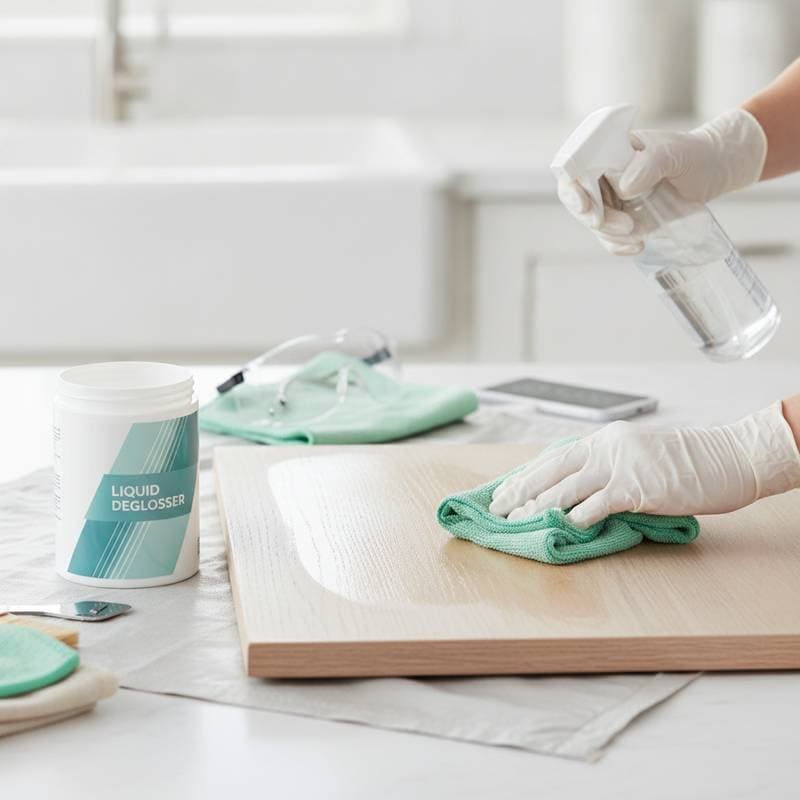
TSP served as a staple degreaser and deglosser in painting preparation for decades. It removed oils, soot, and shine from surfaces like wood, drywall, and masonry, promoting strong paint adhesion. However, its phosphate content contributes to algal blooms in lakes and rivers when runoff occurs.
Regulatory bodies in numerous states and cities have imposed bans or strict limits on TSP for non-industrial use. These measures prioritize ecosystem health and water quality. As a result, professionals must adopt phosphate-free options that meet similar cleaning standards without the environmental risks.
Quantifying the Cost Increase
The ban elevates surface preparation expenses through pricier materials and extended labor. For a standard 500-square-foot interior project, expect an added $350 to $450. Larger exteriors or heavily soiled areas push this toward $600.
Cost Estimates by Project Size
- Small room (150 square feet): $200 to $300 extra
- Medium space (500 square feet): $350 to $450 extra
- Large area (1,000+ square feet): $450 to $600 extra
These figures account for material markups, increased application time, and compliance steps like enhanced rinsing.
Per-Square-Foot Cost Components
Surface prep now ranges from $1.25 to $2.75 per square foot. Break it down as follows:
- Materials: $0.35 to $0.75 per square foot for cleaners and tools
- Labor: $0.70 to $1.50 per square foot for application and scrubbing
- Rinsing and setup: $0.20 to $0.50 per square foot
- Disposal and protection: $0.10 to $0.25 per square foot
Total costs rise when surfaces demand intensive treatment, such as kitchens with grease buildup.
Key Influences on Preparation Expenses
Multiple elements determine the final price tag beyond the TSP shift.
Substitute Cleaner Selection
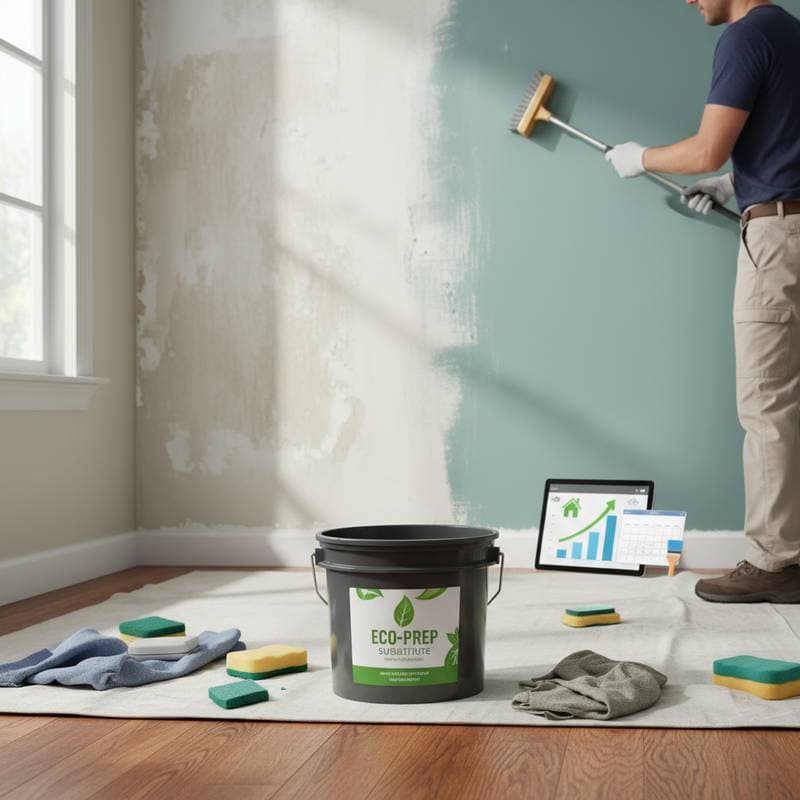
Phosphate-free formulas, including borax blends or citrus extracts, cost 20% to 50% more than TSP. Some demand double the volume or multiple passes, amplifying material use.
Surface Characteristics
Oily cabinets or moldy exteriors require robust solutions and extra effort. In contrast, clean drywall needs minimal intervention, keeping costs lower.
Time for Application
Alternatives often sit longer to penetrate grime and necessitate thorough rinsing to avoid residue. This adds 30% to 50% more labor hours compared to TSP methods.
Regulatory Adherence
New protocols involve containing wastewater and disposing of it properly. Contractors invest in barriers and collection systems, which extend setup durations.
Cleaner Options and Their Pricing
Choose from these phosphate-free alternatives based on your needs. Each offers trade-offs in efficacy and expense.
| Cleaner Type | Basic Price (per gallon) | Standard Price (per gallon) | Premium Price (per gallon) | Notable Features |
|---|---|---|---|---|
| General Phosphate-Free | $20 to $35 | $35 to $55 | $55 to $85 | Versatile; may require reapplication |
| Citrus Degreaser | $25 to $40 | $40 to $65 | $65 to $100 | Targets oils; pleasant scent |
| Borax Formula | $18 to $30 | $30 to $50 | $50 to $80 | Mild on surfaces; needs scrubbing |
| Enzymatic Prep | $40 to $60 | $60 to $90 | $90 to $120 | Biodegradable; extended contact time |
Opt for standard grades in most cases to balance performance and budget. Premium versions shine on tough jobs but justify costs through efficiency.
Linking Preparation to Paint Durability
Thorough cleaning underpins every successful paint application. Inadequate prep invites adhesion failures, visible defects, and shortened lifespan.
Clean surfaces ensure paint grips tightly, resisting chips and fades. They also yield even coats without lap marks or discoloration. Over time, this preparation extends the job's life by five to ten years, far outweighing the upfront investment.
The $500 increase, while noticeable, prevents callbacks that could double repair expenses. Prioritize quality to maximize return on your painting outlay.
Strategies to Offset Rising Costs
Implement these tactics to trim preparation bills without compromising standards.
-
Handle Initial Cleaning
Tackle light dust or smudges with dish soap and a sponge before professionals arrive. This cuts commercial product needs by up to 25%. -
Combine Multiple Areas
Group rooms or sections into a single bid. Shared setup and travel save 10% to 15% on labor. -
Time Projects Wisely
Book for January through March, when schedules ease and rates drop 15% to 20%. -
Select Balanced Products
Standard cleaners provide 90% of premium results at half the price. Consult your contractor for tailored recommendations. -
Prevent Future Buildup
Wash walls quarterly with neutral solutions. This lightens loads for the next paint cycle.
Weighing Long-Term Benefits
The restrictions promote sustainable practices that benefit health and property value. Low-phosphate cleaners reduce volatile emissions indoors and protect outdoor plants from chemical runoff.
Buyers increasingly seek eco-certified homes, boosting resale appeal. Enhanced prep also delivers superior aesthetics and fewer touch-ups, turning the added cost into a smart financial move.
Sample Cost Scenarios
Compare traditional and updated approaches across common projects.
| Project Scope | TSP-Era Total | Substitute Total | Added Amount | Primary Gains |
|---|---|---|---|---|
| Small Bedroom | $500 | $700 | $200 | Better air quality |
| Medium Living Room | $1,200 | $1,600 | $400 | Enhanced durability |
| Full House Exterior | $3,500 | $4,000 | $500 | Regulatory safety, longevity |
These scenarios show how benefits like extended wear and compliance justify the adjustment.
Building a Realistic Budget
Approach planning methodically to navigate the changes.
-
Solicit Quotes
Request estimates from three providers, specifying prep inclusions. -
Probe Product Choices
Inquire about cleaners and their cost implications. -
Build in Flexibility
Reserve 10% for surprises like concealed damage. -
Demand Details
Insist on line-item quotes to spot efficiencies. -
Explore Upkeep
Inquire about post-paint care to prolong results.
Frequently Asked Questions
What Does the TSP Restriction Typically Add to Project Costs?
Expect $200 to $500 more, scaled to area and soiling level. Extensive jobs hit the upper limit.
Which Elements Most Drive Preparation Expenses?
Surface state, worker time, cleaner type, and rules compliance lead the factors. Challenging spots demand more resources.
How to Cut Prep Costs While Upholding Standards?
Pre-treat surfaces, merge tasks, book off-season, pick efficient cleaners, and maintain routinely.
DIY Prep or Professional Service?
Homeowners manage basics, but experts handle complexity for optimal bonds and safe disposal.
Budgeting for Surprises in Prep?
Factor in 10% extra for issues like stains or delays. Preview add-ons with your team.
Optimal Timing for Cost Savings?
Target late winter or early spring for reduced rates and availability.