Why Eco Paints Will Increase 25% in Price by 2026
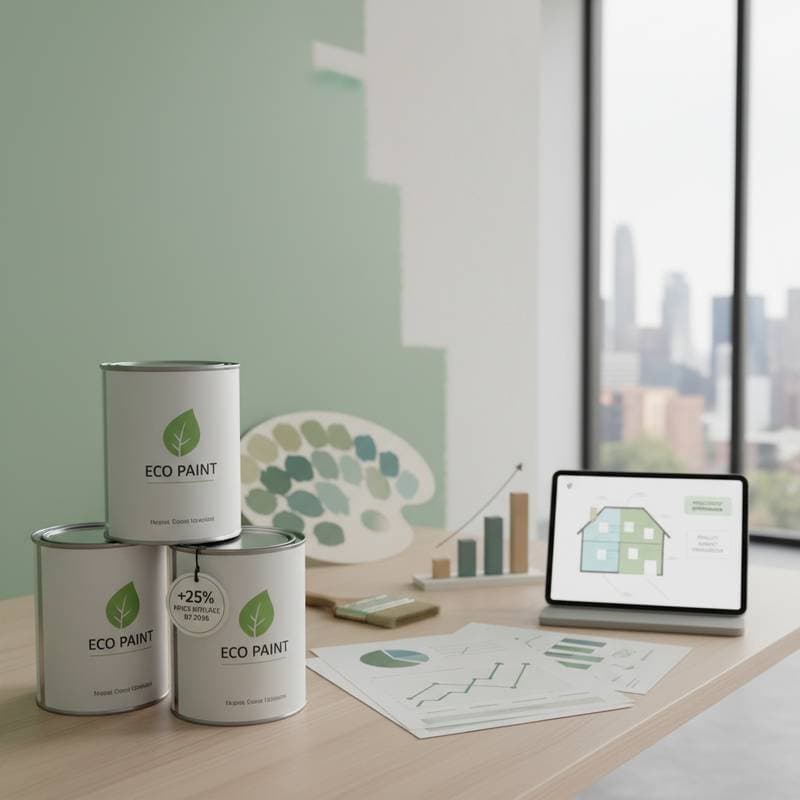
Homeowners prioritize both aesthetic appeal and environmental responsibility when selecting paints for their spaces. Eco-friendly options, typically low-VOC or zero-VOC formulations, minimize harmful emissions and enhance indoor environments. However, surging demand coincides with escalating costs, with projections indicating a 25 percent price hike by 2026. Grasping these dynamics equips individuals to anticipate expenses and select projects that deliver long-term value.
Key Drivers of the Price Surge
Eco paints incorporate innovative compositions that substitute hazardous chemicals with non-toxic, plant-derived components. These materials undergo rigorous extraction and refinement processes, which exceed the expenses of conventional manufacturing. Stricter global regulations demand extensive testing for safety and efficacy, imposing additional burdens on producers that ultimately elevate consumer prices.
Logistics contribute significantly to the upward trend. Sustainable packaging, such as recycled plastics or compostable materials, incurs higher production fees compared to standard containers. Smaller-scale eco brands often face elevated shipping rates due to limited distribution networks, amplifying overall costs passed along to buyers.
Detailed Project Cost Analysis
Typical Cost Ranges
- Basic eco paint application: $1,800 to $2,500 for a single room with standard walls
- Standard eco paint application: $2,600 to $3,800 for multiple rooms including trim work
- Premium eco paint application: $4,000 to $5,500 for expansive areas with custom color matching
Core Components Included
- Premium low-VOC or zero-VOC paint supplies
- Thorough surface cleaning and eco-compatible priming
- Professional application of two finish coats
- Responsible cleanup and material disposal
Additional Expenses to Consider
- Structural repairs, such as filling holes or smoothing surfaces
- Unique finishes like metallic sheens or eco-textures
- High-end brands featuring organic pigments
- Fees for distant job sites or specialized equipment setup
Influences on Total Expenses
| Factor | Potential Cost Impact | Specific Examples |
|---|---|---|
| Paint Brand | 10% to 20% higher | Artisanal or internationally sourced eco varieties |
| Finish Type | 5% to 15% higher | Durable semi-gloss over flat matte |
| Labor Rates | 15% to 25% higher | Certified applicators trained in green techniques |
| Surface Prep | Highly variable | Addressing mold, cracks, or prior damage |
Contrasts with Traditional Paint Pricing
Conventional paints benefit from economies of scale in petrochemical-based production and stable supply chains. In contrast, eco paints draw from renewable resources like soy-based resins, algae extracts, and clay minerals, whose prices fluctuate with agricultural outputs and ethical sourcing demands. Such variability accelerates cost growth beyond that of standard formulations.
Ongoing advancements in eco technology require substantial research investments. Developers refine recipes to achieve comparable scrub resistance and fade protection, while securing eco-certifications from bodies like GreenGuard or LEED. These efforts, though beneficial, translate into premium pricing at the point of sale.
Weighing Professional Services Against DIY Approaches
Eco paints demand precise techniques to maximize adhesion and minimize waste. Homeowners may manage minor touch-ups independently, but experts excel in achieving uniform results across larger surfaces. Professionals account for environmental variables, such as optimal ventilation during application, to avoid defects like uneven drying or color inconsistencies.
Hiring specialists ensures compliance with manufacturer guidelines, extending the paint's lifespan and reducing the need for touch-ups. For intricate designs or high-traffic areas, professional intervention proves more cost-effective over time.
Strategies for Effective Project Planning
Assess your space's needs early to select appropriate paint types and quantities, avoiding over-purchasing. Consult color samples in natural lighting to confirm choices before committing. Schedule during off-peak seasons, such as late fall, when contractors offer competitive rates and materials see promotional discounts.
Budget by allocating 40 percent to materials, 50 percent to labor, and 10 percent to contingencies like repairs. Explore financing options through local suppliers or bundle services for multi-room projects. Track industry trends via manufacturer updates to time purchases advantageously.
Addressing Common Concerns
What Makes Eco Paints Cost More Initially?
Eco paints employ purified, bio-based ingredients and adhere to rigorous sustainability standards. These elements, combined with eco-conscious packaging and third-party validations, elevate production overheads compared to synthetic alternatives.
How Much Time Does a Typical Eco Paint Job Require?
Standard home interiors complete in three to five days, encompassing preparation, application, and curing periods. Expansive properties or intricate details may require up to a week, depending on room size and weather conditions.
Does DIY Painting Yield Significant Savings?
Self-application cuts labor expenses by 30 to 50 percent for simple tasks, yet it risks material overuse and subpar outcomes. Professionals optimize coverage, often saving time and resources on complex jobs.
How to Verify Genuine Eco-Friendly Materials?
Request safety data sheets and certifications from recognized organizations. Established painters maintain records of product origins and can demonstrate adherence through supplier invoices.
Do Eco Paints Offer Comparable Longevity?
Contemporary formulations rival traditional paints in resilience, with advanced binders providing washability and UV resistance. Meticulous preparation and full coverage applications guarantee performance for 10 years or more.
What Steps Help Control Rising Costs?
Anticipate needs with detailed quotes, seek volume discounts on larger orders, and opt for versatile mid-tier brands. Integrating energy-efficient practices, like proper insulation, complements painting to enhance overall home efficiency.
Securing Sustainable Results on a Budget
Embracing eco paints aligns health benefits with fiscal prudence through informed choices. By understanding cost drivers and leveraging planning tools, homeowners achieve vibrant, toxin-free interiors without undue strain. Contact local experts today to initiate a tailored assessment and lock in current rates before the 2026 uptick.