Why Terracotta Ceilings Redefine 2026's Fifth Wall
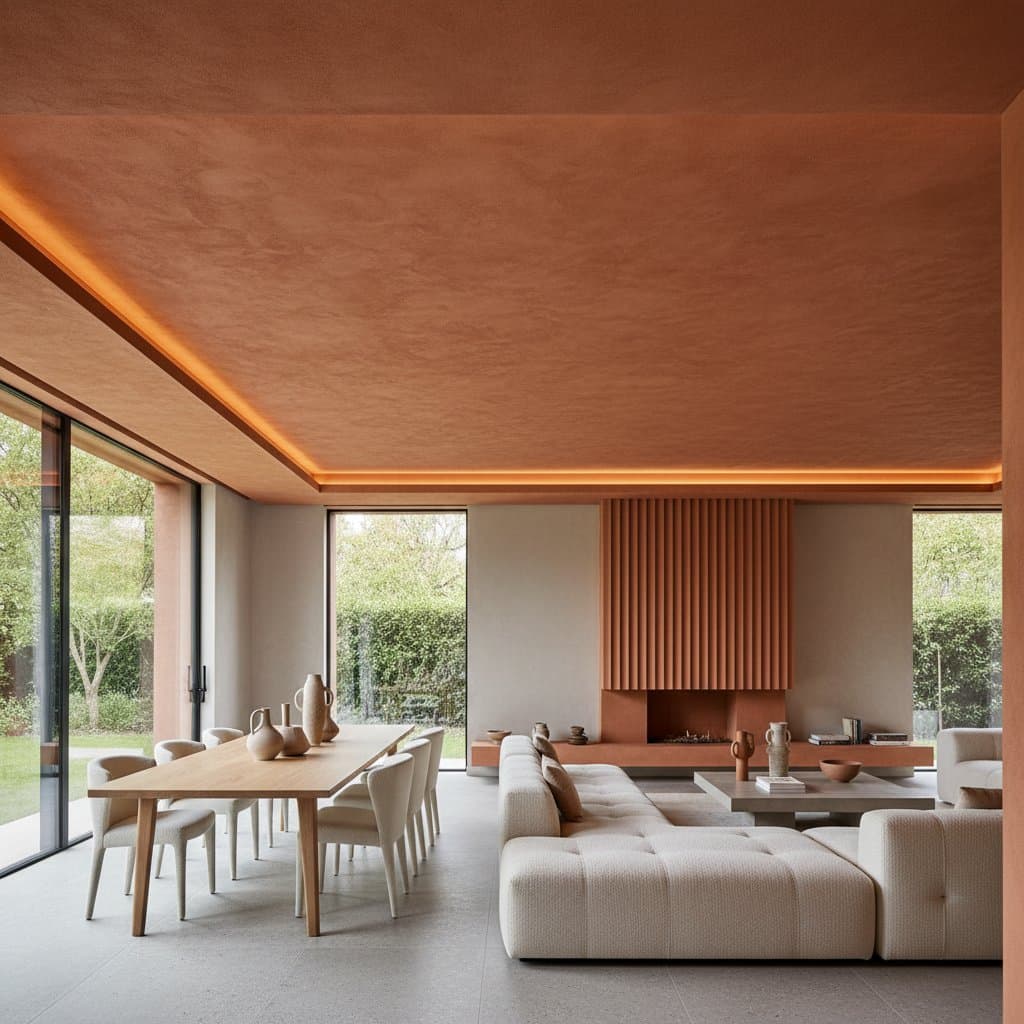
Terracotta emerges as a prominent design trend, extending its influence to ceilings. Traditionally associated with pottery and rustic tiles, this rich, warm hue now elevates ceilings into focal points that convey grounded modernity and character. Referred to as the fifth wall, the ceiling gains renewed vitality through terracotta paint. This trend emphasizes comfort, connection, and creativity accessible to any home.
Embracing Warmth Over Traditional White
Ceilings have long favored bright white for its clean appearance, yet this choice often results in flatness. Terracotta inverts this norm by enveloping rooms in a soft clay-like tone that fosters warmth, perceived height, and intimacy. The result blends earthiness with elegance, suiting styles from contemporary lofts to heritage cottages.
Accessibility enhances the appeal of this shift. Homeowners require only a gallon of paint, a free weekend, and basic preparation to alter their spatial perception. Terracotta delivers substantial transformation through a single, strategic color selection.
The Versatility of Terracotta
Terracotta endures due to its natural resonance, evoking sun-warmed earth and human craftsmanship. Positioned between red, orange, and brown, the hue offers adaptability unmatched by cooler tones. It harmonizes with wood, stone, and metal elements while enhancing both natural and artificial light sources.
Painters appreciate terracotta's practicality. The color conceals surface imperfections more effectively than white and coordinates with diverse wall shades. Paired with pale neutrals, it appears fresh and contemporary; with deep greens or navy, it evokes coziness and tradition. Such flexibility positions terracotta as an ideal choice for designers.
Budget-Conscious Approaches to Implementation
Testing a trend does not demand a complete professional overhaul. Consider these three tiers to introduce terracotta to ceilings.
1. Zero-Cost Experiment:
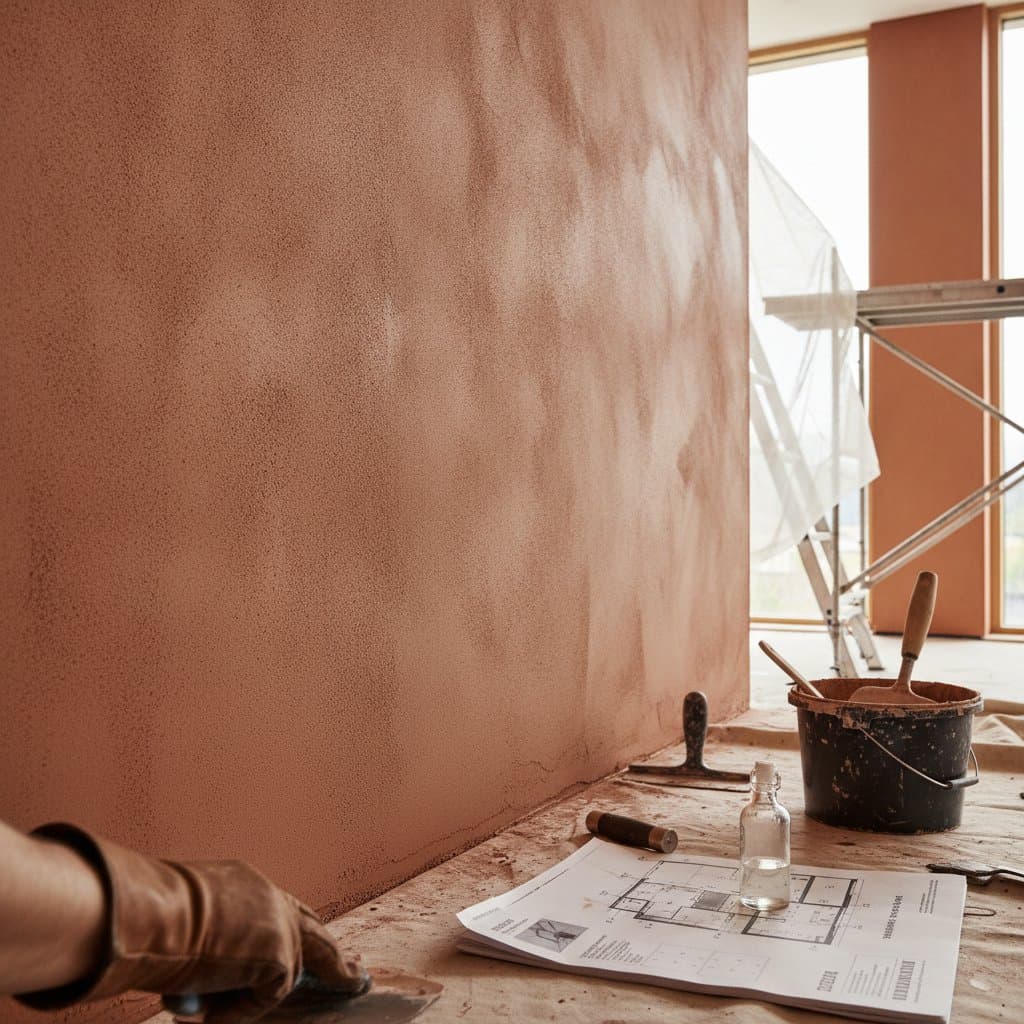
Acquire a sample pot and apply it to a drywall scrap or canvas. Position the sample near the ceiling under varying light conditions to observe tonal shifts throughout the day. This method builds assurance before proceeding.
2. Moderate-Scale Update:
Target a compact area such as a powder room, hallway, or breakfast nook for initial application. These zones serve as low-risk trials for bold hues. Complement with neutral walls and sparse furnishings to spotlight the ceiling.
3. Comprehensive Application:
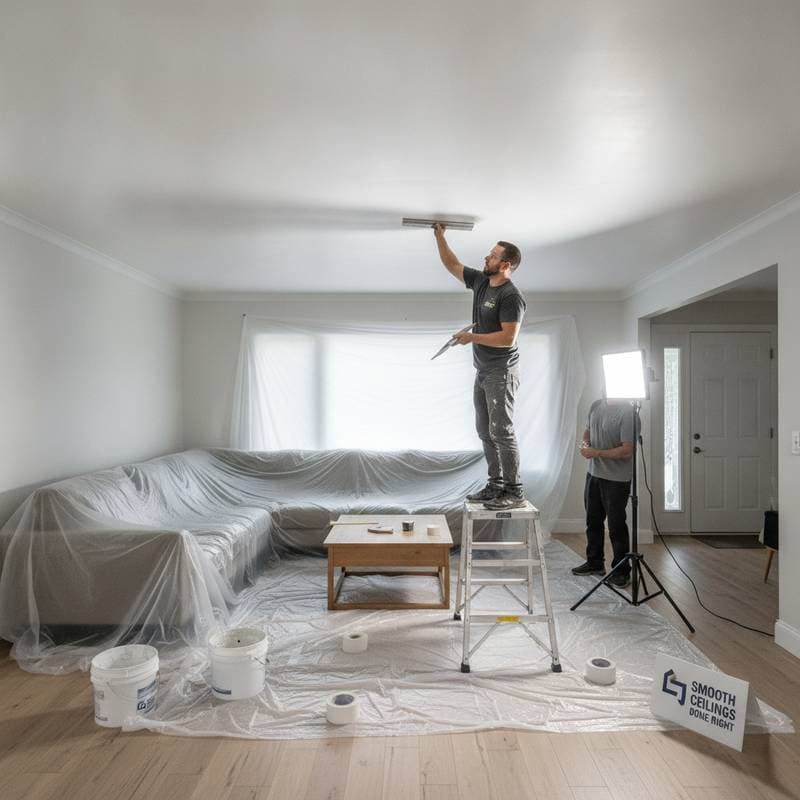
Extend coverage to primary spaces like living rooms or bedrooms. Engage professionals for precise edges and uniform application. Incorporate crown molding in a lighter terracotta shade to add refined contrast.
Selecting Materials and Finishes for Optimal Results
Finish selection determines whether a ceiling radiates or overwhelms. Matte or flat finishes scatter light gently and mask imperfections. For added dimension, opt for eggshell or satin sheens that reflect light subtly, particularly in rooms with lower ceilings.
Architectural details like beadboard or coffered panels benefit from terracotta, which accentuates textures. Choose paints with superior durability and minimal volatile organic compounds. O’Connor Painting LLC favors premium formulations that prevent yellowing and preserve hue stability over years.
Professional Techniques for Visual Impact
Experience from television set design reveals that ceiling colors behave uniquely under lighting and photography. Terracotta excels by mitigating glare and adding depth, a quality that translates to residential photography. Warm ceilings enhance skin tones and provide a flattering, diffused background.
Lighting plays a crucial role in accentuating terracotta. Install warm LED bulbs or dimmable fixtures to amplify the hue's depth. Steer clear of cool-toned lights, which may mute the color toward gray. Switch to soft white or warm glow bulbs if the tone appears subdued in evenings.
Customizing Terracotta for Unique Projects
Terracotta spans shades from muted peach to intense burnt sienna. For tailored palettes, request custom mixing at paint suppliers using references like fabrics, tiles, or artwork. This approach suits product developers aiming for branded hues that convey exclusivity.
O’Connor Painting LLC integrates ceiling colors with flooring and textiles for commercial projects, fostering cohesive narratives. Such coordination ensures designs feel deliberate and unified from ceiling to floor.
Practical Benefits: Comfort, Upkeep, and Durability
Terracotta extends beyond aesthetics to enhance livability. Warm hues visually contract ceilings, promoting a sheltered, calming atmosphere. They distribute light evenly, minimizing glare and associated eye fatigue.
Upkeep proves straightforward, as dust and minor marks blend into the tone more readily than on white surfaces, reducing touch-up needs. With proper priming on a clean, dry base and compatible products, two coats achieve flawless coverage. Inspect after the initial layer and adjust application for uniformity.
Complementary Style Pairings
Terracotta adapts to multiple aesthetics. Explore these combinations:
- Modern Minimalist: Terracotta ceiling with white walls and black accents for warmth amid simplicity.
- Bohemian Sanctuary: Terracotta ceiling alongside sage green walls and woven fixtures for organic harmony.
- Traditional Elegance: Terracotta ceiling with cream walls and brass details for enduring sophistication.
- Industrial Aesthetic: Deep terracotta ceiling over concrete floors and gray walls for striking equilibrium.
Integrating Terracotta into Everyday Spaces
Terracotta ceilings infuse daily environments with vitality and personalization. The hue evolves with shifting light, seasons, and personal moods, lending rooms a sense of completion even with sparse decoration. Ultimately, this choice demonstrates that impactful design arises from thoughtful, accessible decisions rather than elaborate expenditures.