Why Charcoal and Terracotta Dominate 2026
Color trends evolve rapidly, yet certain combinations redefine interior spaces for years. Charcoal and terracotta emerge as the defining duo for 2026. These hues offer bold grounding, timeless appeal, and remarkable versatility. Professionals apply them in production environments, residential projects, and product designs, where they deliver striking visuals on camera and substantial depth in physical settings.
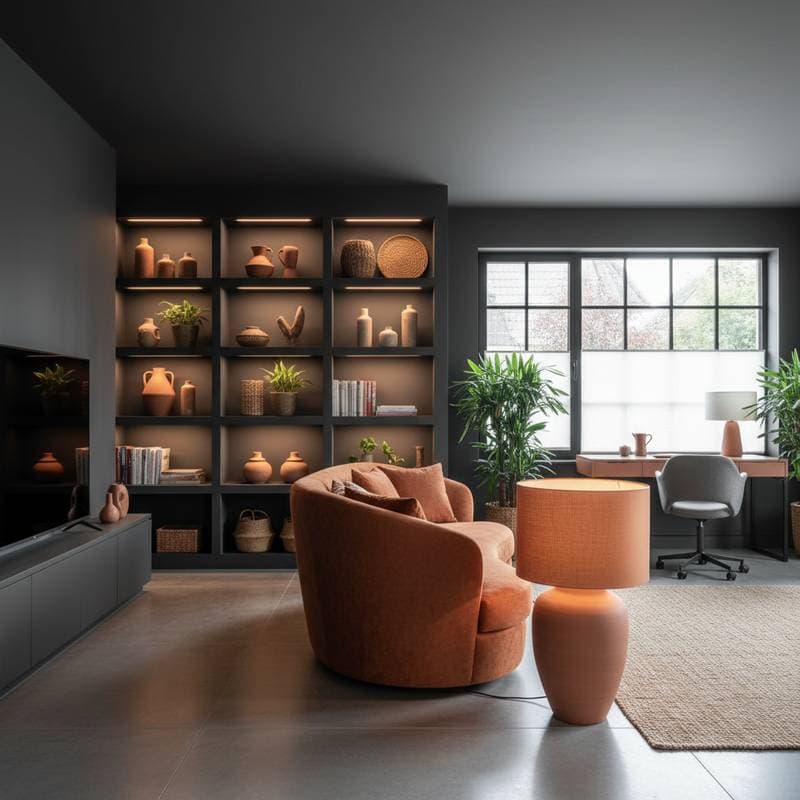
Charcoal provides depth, serenity, and a contemporary edge. Terracotta contributes warmth, comfort, and an organic link to earth and craftsmanship. Paired together, they establish equilibrium that feels innovative yet comforting. The following sections explore the reasons for their prominence and practical ways to incorporate them into diverse projects.
Material Matchups That Enhance Visual Harmony
These colors excel when integrated with thoughtful textures. Charcoal complements matte surfaces, raw timber, and brushed metals, shifting from industrial to subdued based on illumination. Terracotta radiates alongside linen fabrics, rattan weaves, and unglazed pottery.
To apply these effectively, consider three budget tiers for material selections:
- Low-Budget or DIY Options:
- Apply charcoal chalk paint to existing planters, allowing terracotta undertones to emerge in selected areas.
- Develop a two-tone wall feature with residual paint for a charcoal foundation and a terracotta-inspired horizontal band.
- Combine secondhand clay vessels with compact charcoal elements to achieve an immediate cohesive atmosphere.
- Moderate Investment:
- Introduce terracotta-hued drapery or a patterned rug to stabilize a charcoal-upholstered sofa.
- Refresh cabinet faces with deep gray laminate paired with warm copper or bronze hardware.
- Coat interior doors in charcoal to offset terracotta-infused wall treatments.
- Premium Investments:
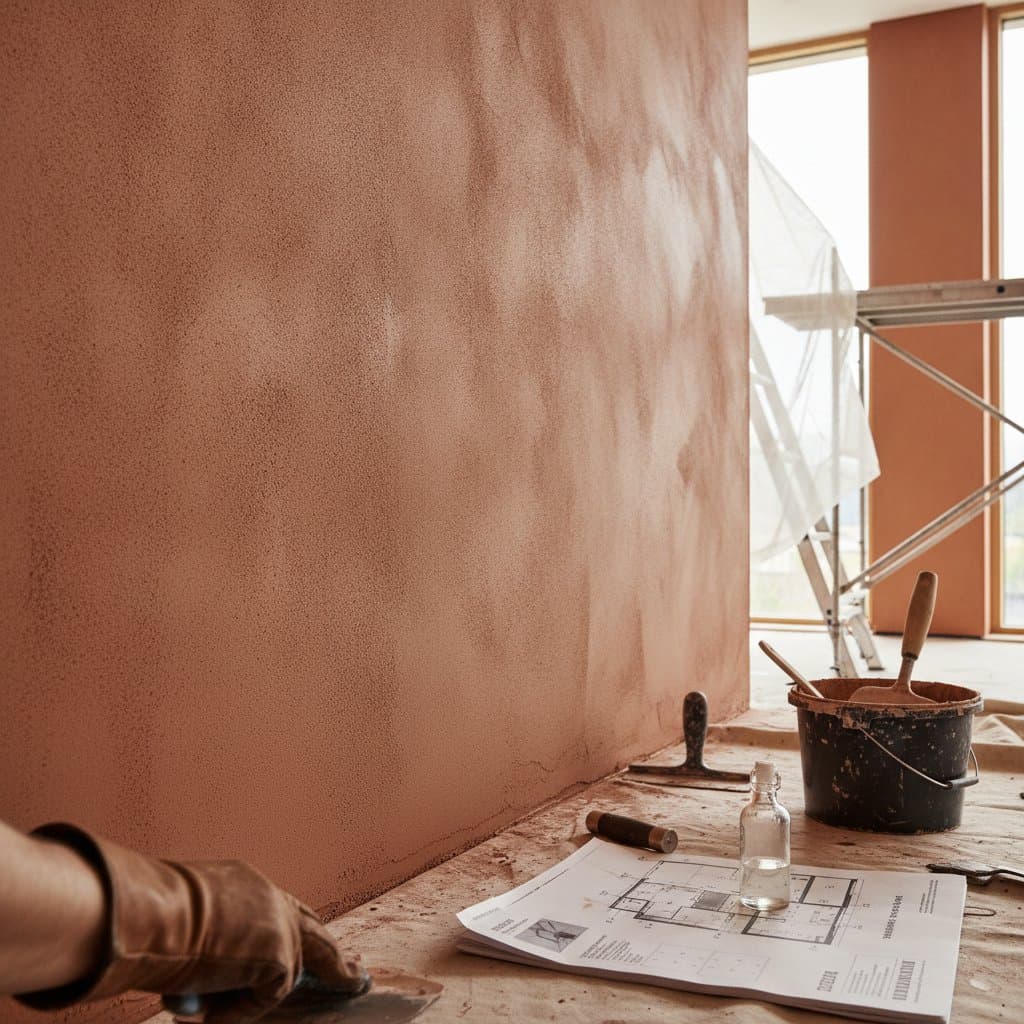
- Lay expansive charcoal tiles adjacent to terracotta plaster or limewash applications on walls.
- Employ bespoke wood staining in charcoal tones with terracotta leather for seating.
- Integrate matte black plumbing fixtures with clay-derived countertop materials for an artisanal luxury effect.
Each approach yields layered visual interest. Success lies in balancing contrasts: matte against gloss, coarse against refined, cool against warm.
Alignment with Business and Lifestyle Shifts
From a business perspective, these colors bridge creativity and market viability. They convey refinement and individuality, making them ideal for interiors, furnishings, and lifestyle goods. Charcoal evokes trust and dependability. Terracotta suggests genuineness and skilled artistry.
The combination transmits a narrative of quality and ease. This resonates in branding strategies. Additionally, the palette supports sustainable practices. Derived from elemental sources such as clay, stone, and ash, these tones appear authentic rather than manufactured. Such natural ties appeal across economic levels, from upcycled DIY endeavors to high-end constructions featuring organic pigments and handcrafted tiles.
Strategic Pairings with Complementary Hues
Charcoal and terracotta lead, yet they integrate seamlessly with supporting colors. Consider these options:
- Cream and Sand: These lighten the scheme while preserving an organic essence.
- Olive Green: This introduces serene foliage notes, ideal for equilibrated natural schemes.
- Soft Blush: This offers subtle differentiation that maintains unity.
- Deep Navy: This builds profound dimension alongside terracotta warmth.
- Mustard or Ochre: These infuse retro or international character.
For layering, allocate approximately 60 percent of the area to neutrals, 30 percent to primary colors, and 10 percent to accents. This distribution promotes visual respite while ensuring strong presence.
Practical Care for Enduring Appeal
These colors gain traction partly due to their durability. Charcoal conceals smudges and light abrasion. Terracotta masks dust accumulation and light exposure changes. Both develop patina over time with elegance.
Maintain them using mild methods. Select gentle cleansers and avoid strong bleaches or rough scrubbers. Employ a soft microfiber cloth with diluted soap for wall surfaces. Renew protective layers or apply a revitalizing wash periodically to sustain vibrancy.
In moist environments, opt for charcoal paints formulated with anti-mold properties to avert discoloration. For terracotta elements, apply permeable sealants that protect from dampness without shifting color.
Psychological Impact and Everyday Livability
The current attraction to this palette stems from a desire for emotional stability. Following eras of stark minimalism, individuals seek environments that provide anchorage and intimacy. Charcoal symbolizes assurance. Terracotta links to artisanal traditions and natural terrains. United, they foster cohesion.
Clients often respond with noticeable relaxation upon encountering these tones. Spaces gain intimacy without constriction. Balanced opposition elevates the scheme: depth infuses light with purpose, while warmth animates coolness.
Evolving Applications Across Styles
Superior colors adapt to shifting aesthetics. Charcoal and terracotta suit varied narratives. In contemporary lofts, emphasize clean geometries and subdued finishes. For rustic farmhouses, blend weathered timbers and fibrous weaves. In urban dwellings, adopt bold graphics with charcoal bases, neutral grounds, and terracotta highlights.
Should one hue lose appeal, update through accessories rather than full overhauls. Terracotta cushions, charcoal floor coverings, or framed artworks can restore equilibrium swiftly. These versatile shades collaborate readily with surrounding elements.
Professionals leverage them to demonstrate expertise in ambiance, layering, and thermal balance. Homeowners benefit from an welcoming aesthetic that endures beyond fleeting fashions.
Essential Techniques for Optimal Results
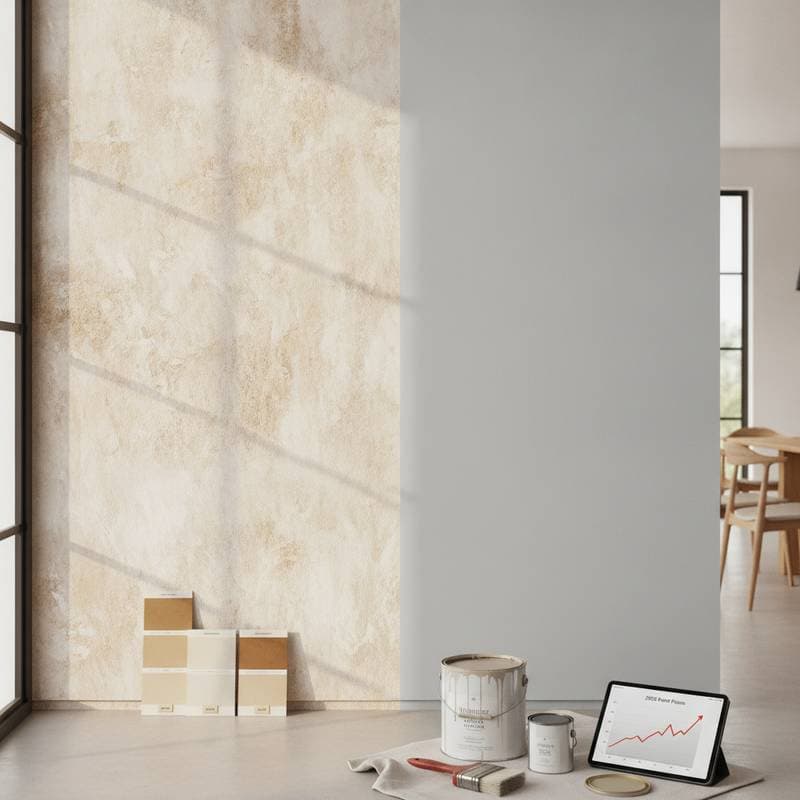
- Evaluate paint samples across various walls, observing them under daylight and artificial sources.
- Alternate matte and glossy surfaces to build dimension and tactile interest.
- Select pale ceiling treatments to avoid a sense of confinement.
- Incorporate organic fabrics, clay items, and wooden accents to amplify both colors.
- Capture images of the area in warm and cool light to adjust tonal harmony.
Charcoal and terracotta transcend mere pigmentation. They form a visual vocabulary emphasizing equilibrium, linkage, and perpetual elegance, transforming spaces into enduring sanctuaries.