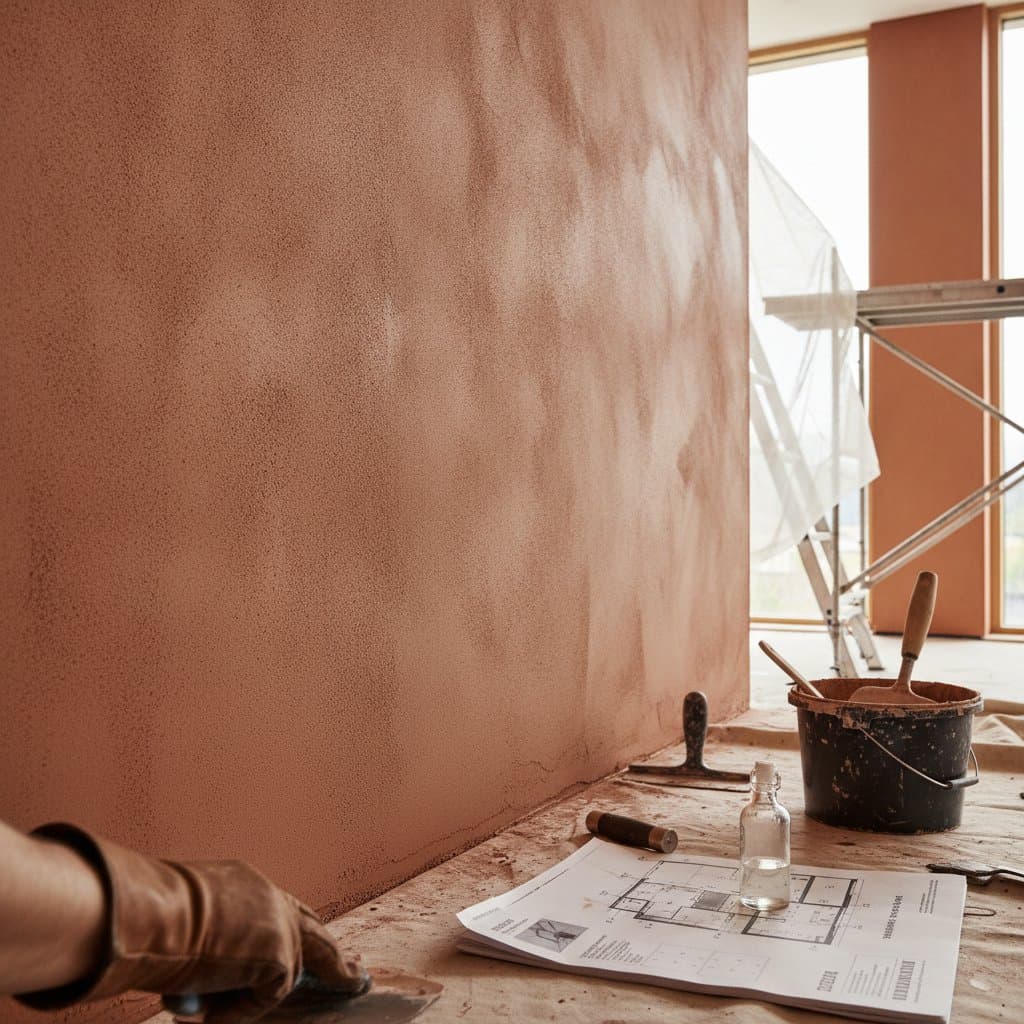
Micro-Cement: The 2026 Essential for Seamless Concrete Finishes
Micro-cement represents a transformative approach to interior design, combining the aesthetic appeal of concrete with the practicality of a thin, versatile coating. This material allows homeowners and professionals to achieve a modern, industrial look without the need for extensive renovations. As a leading trend for 2026, micro-cement offers durability and style that enhance any space.
Understanding Micro-Cement
Micro-cement consists of a blend of cement, polymers, and pigments, forming a high-performance coating. This composition enables application directly onto existing surfaces such as drywall, tile, wood, or previously painted areas. With a thickness of only a few millimeters, it provides the visual and tactile qualities of concrete while avoiding the structural demands of traditional methods.
The result is a smooth, adaptable finish that suits various design aesthetics, including minimalist, industrial, and contemporary styles. Professionals value its ability to create a sophisticated surface that enhances both residential and commercial environments.
Key Advantages of Micro-Cement
Micro-cement excels in balancing functionality and aesthetics, making it a preferred choice for diverse applications. It withstands everyday use while maintaining an elegant appearance. The following points highlight its primary benefits.
-
Seamless Application
Micro-cement creates a continuous surface free from grout lines or joints, promoting a sense of openness and tranquility in rooms. This uniformity enhances visual flow and makes spaces appear more expansive. Additionally, the finish interacts dynamically with light, adding subtle depth that elevates the overall design. -
Exceptional Durability
After proper sealing, micro-cement resists scratches, moisture, and general wear, proving suitable for high-traffic areas like kitchens, bathrooms, and entryways. Cleaning requires only mild soap and water, ensuring long-term maintenance remains straightforward. This resilience extends the lifespan of the surface compared to standard paints. -
Versatile Budget Options
Micro-cement accommodates different financial levels. For budget-conscious projects, select paints inspired by micro-cement that incorporate mineral additives to replicate the texture. Mid-range investments allow application on accent walls or countertops using authentic micro-cement. Premium budgets support full-room coverage, such as in bathrooms or on floors, for a luxurious effect.
Practical Installation Guidelines
Successful installation of micro-cement depends on thorough preparation and methodical application. Begin by ensuring the surface is clean and dry to promote adhesion. Apply a bonding primer to create a stable base for the coating.
Proceed with two to three thin layers, allowing each to dry completely before adding the next. Test the surface by touching it after drying; it should feel firm and cool, without any tackiness. For those attempting a do-it-yourself approach, practice on a small test board to master even spreading techniques. Professional applicators emphasize precision to achieve optimal results.
Selecting Finishes for Visual Impact
Micro-cement finishes typically present a soft matte appearance with subtle sheen under lighting, minimizing glare for versatile use in photographed or video-recorded spaces. Recommended colors include warm grays, clay beiges, and soft charcoals, which pair effectively with natural wood, metal accents, or plant elements.
For added variety, incorporate tinted sealers to introduce understated hues like blush or sage. These choices subtly influence the room's atmosphere, providing a refined way to personalize the design without overwhelming the space.
Opportunities in Design and Business
Micro-cement expands professional possibilities for painters, designers, and developers. Painters can pursue specialized training in its application and sealing to broaden service offerings. Designers may recommend it to clients seeking textured surfaces on a moderate budget, as an alternative to pricier materials like stone.
Product innovators are integrating micro-cement into items such as furniture, planters, and lighting fixtures. This adaptability allows the material to contribute to cohesive brand narratives, from single applications to comprehensive projects.
Maintaining Micro-Cement Surfaces
Daily care for micro-cement involves gentle cleaning with mild soap and water, avoiding abrasive chemicals to preserve the finish. Use a soft cloth to wipe away dust and maintain its appearance. Over time, the surface may develop a subtle patina that enhances its character.
To restore vibrancy, apply a fresh coat of sealer as needed. This simple process ensures the material continues to deliver aesthetic and functional value. Micro-cement thus supports enduring design solutions that align with practical lifestyles.