Why Stripping Old Paint Ensures Flawless 2026 Repaints
A new coat of paint revitalizes a home's appearance and atmosphere. Preparation, however, dictates the longevity and smoothness of that finish. Homeowners often underestimate the importance of stripping existing paint layers prior to repainting. This process extends beyond aesthetics to influence adhesion, surface integrity, and long-term performance.
Investing in thorough preparation yields results that withstand time. Although stripping demands effort, it establishes a solid base for a professional-grade finish resistant to peeling, cracking, and bubbling.
Project Cost Breakdown
Average Cost Ranges
- Basic project: $2.50 to $4.50 per square foot
- Standard project: $4.50 to $6.50 per square foot
- Premium project: $6.50 to $9.00 per square foot
What's Included
- Initial surface inspection and testing for lead-based paint
- Full removal of existing paint via chemical or mechanical techniques
- Sanding, cleaning, and surface leveling
- Primer application to ready the area for fresh paint
What Costs Extra
- Fixes for compromised wood, metal, or plaster
- Intricate work on molding, trim, or ornamental elements
- Lead-safe containment and waste disposal
- Extra primer layers for absorbent surfaces
Factors That Affect Final Cost
| Factor | Cost Impact | Examples |
|---|---|---|
| Surface material | Higher for dense materials like hardwood or masonry | Brick or oak trim demands extended time and specialized equipment |
| Number of layers | Rises with accumulated coats | Thick buildup prolongs removal and requires robust solutions |
| Paint type | Elevates expense for hazardous varieties | Lead paints necessitate certified protocols |
| Accessibility | Influences labor charges | Elevated areas or outdoor walls require scaffolding or lifts |
| Finish quality | Increases for superior outcomes | Fine sanding, precise refinishing, and optimal priming extend work hours |
Process Overview: From Stripping to Repainting
Step 1: Surface Evaluation
Professionals assess current coatings to determine layer count, paint composition, and potential lead risks. This inspection guides the selection of safe, effective removal strategies.
Step 2: Paint Removal
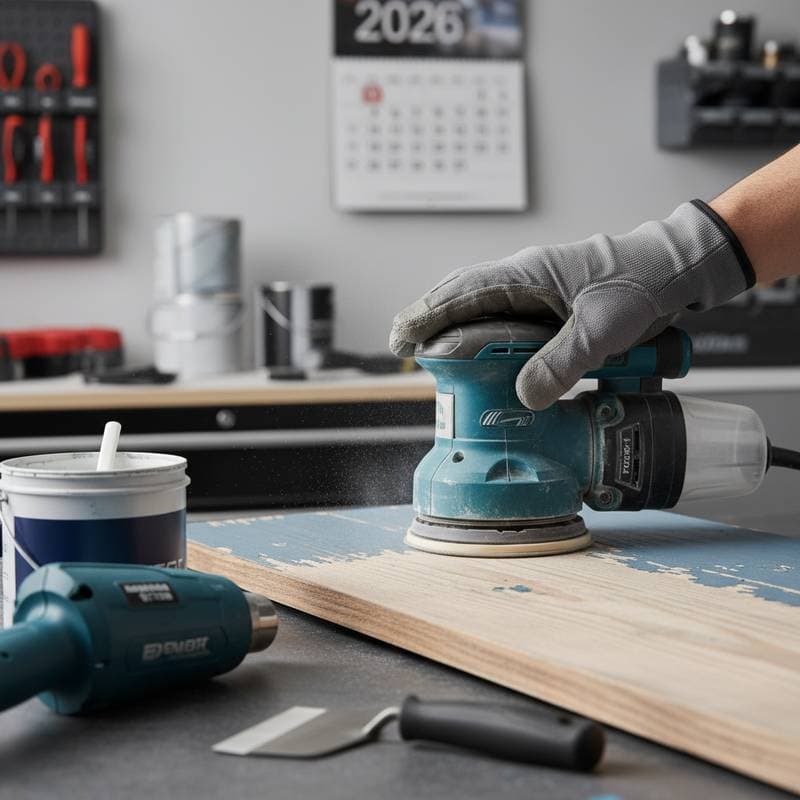
Methods vary by substrate. Wood benefits from chemical strippers combined with careful scraping. Metal surfaces respond well to heat guns or abrasive sanding for clean results.
Step 3: Surface Repair
Post-removal, address flaws like cracks, holes, or rot in wood. Treat rust on metal to create a stable foundation. These interventions promote even adhesion for subsequent layers.
Step 4: Sanding and Cleaning
Use fine-grit sandpaper to eliminate remnants and achieve smoothness. Follow with thorough cleaning to clear dust, chemicals, or debris, ensuring a pristine base.
Step 5: Priming and Sealing
Apply primer to lock in the surface, boost paint grip, and block stain migration. Select durable primers suited to the material for consistent coverage and enhanced durability.
Step 6: Painting
Commence painting only on a fully prepared substrate. This allows uniform application and a flawless, even sheen upon drying.
Timeline Expectations
| Project Type | Typical Duration | Notes |
|---|---|---|
| Small interior trim | 1 to 2 days | Covers stripping, sanding, and priming phases |
| Room repaint after stripping | 3 to 5 days | Accounts for drying intervals and any repairs |
| Full exterior repaint with stripping | 7 to 14 days | Encompasses prep, priming, and multiple paint coats |
Timelines fluctuate with environmental factors like humidity, material properties, and site access. Accelerating steps risks imperfections such as uneven strokes or weak bonds. Prioritizing meticulous preparation extends the finish's lifespan significantly.
Preparing Your Home for Paint Stripping
Clear the Work Area
Relocate furniture, protect flooring with drop cloths, and detach wall fixtures. These measures safeguard possessions and facilitate unobstructed access for workers.
Plan for Ventilation
Maximize airflow by opening windows and doors. Effective ventilation accelerates drying, disperses chemical fumes, and maintains a safer environment.
Communicate Expectations
Outline objectives, chosen colors, and desired finishes at the outset. This dialogue minimizes errors and aligns outcomes with your vision.
Schedule Wisely
Time projects for moderate weather with balanced humidity and temperature. Optimal conditions support proper curing and bolster the paint's resilience.
Planning Your Project
Approach paint stripping as a strategic investment in quality. It underpins a seamless, resilient surface that maximizes modern paint capabilities. For room updates or comprehensive home refreshes, diligent layer removal delivers superior performance.
When engaging professionals, prioritize those who emphasize prep alongside aesthetics. Inquire about methodologies, materials, and guarantees. A reliable expert will detail procedures, uphold safety standards, and commit to excellence.
Frequently Asked Questions
1. How much does professional paint stripping usually cost?
Costs for professional paint stripping range from $2.50 to $9.00 per square foot, influenced by surface complexity and challenges. Interior walls lean toward the lower spectrum, whereas detailed trim or lead-compliant exteriors command higher rates. Obtain a detailed written quote covering labor, supplies, and disposal.
2. Is paint stripping necessary for every repaint?
Stripping proves essential when old paint peels, contains lead, or forms thick layers that hinder adhesion. For stable, thin coatings, sanding might suffice, but full removal uncovers issues and ensures optimal bonding for new applications.
3. What are the risks of skipping paint stripping?
Omitting stripping can lead to poor adhesion, resulting in bubbling, cracking, or premature failure. Hidden damage may persist, and colors might appear uneven. Long-term, this shortens the repaint's durability and increases future maintenance needs.
4. How do I choose between chemical and mechanical stripping?
Chemical methods suit delicate wood to dissolve paint without abrasion. Mechanical approaches, like sanding or scraping, excel on metal or robust surfaces. Consult a professional to match the technique to your project's material and condition.
5. Can homeowners strip paint themselves?
DIY stripping is feasible for small areas with proper tools and safety gear, but professionals handle complexities like lead safely and efficiently. For larger projects, expert intervention avoids health risks and achieves superior results.
6. How can I ensure the stripped surface is ready for new paint?
Verify smoothness, cleanliness, and residue-free status by tactile inspection. Perform light sanding if needed, then apply primer. This sequence confirms readiness for a seamless, professional repaint.