TSP Banned in 2025: Top Deglossers for Professional Results
Homeowners who prepare to paint cabinets, trim, or furniture have traditionally depended on trisodium phosphate, known as TSP, for thorough surface cleaning and deglossing. The 2025 ban on TSP stems from environmental issues tied to its phosphate content, which prompts homeowners and contractors to seek phosphate-free options that maintain high standards. These alternatives provide effective preparation for smooth, long-lasting finishes while prioritizing safety and sustainability.
This guide details the function of TSP, the reasons for its phase-out, and superior replacement products. It covers pricing variations, performance comparisons, and budgeting advice to support successful painting or refinishing projects on cabinets and similar surfaces.
Reasons for the TSP Ban and Implications for Homeowners
TSP gained popularity for its ability to remove stubborn grease, smoke residue, and glossy coatings with little effort. Phosphates in the formula, however, fuel algae blooms in waterways, leading to widespread pollution. Regulatory measures in numerous areas now restrict TSP availability, compelling users to adopt environmentally sound substitutes.
The restriction enhances opportunities for better surface preparation. Contemporary deglossers and cleaners often surpass TSP in efficiency, safety, and user-friendliness, ensuring professional outcomes without ecological drawbacks.
Typical Cost Ranges for TSP Alternatives
Phosphate-free deglossers and cleaners differ in price based on brand, composition, and project scale. General estimates include:
- Small-scale tasks, such as one cabinet or door: $10 to $20
- Medium-scale efforts, like an entire kitchen cabinet set: $25 to $40
- Large-scale undertakings, covering multiple rooms or furniture items: $40 to $65
Per square foot, anticipate expenses of $0.25 to $0.60, encompassing the cleaner and tools like sponges, cloths, or disposable pads.
Detailed Cost Breakdown by Application Area
| Category | Basic Range | Standard Range | Premium Range | Key Differences |
|---|---|---|---|---|
| Deglosser solution | $8 - $15 | $15 - $25 | $25 - $40 | Concentration, eco-label, brand reputation |
| Application materials | $3 - $8 | $8 - $12 | $12 - $18 | Applicator type and reusability |
| Protective gear | $5 - $10 | $10 - $20 | $20 - $30 | Respirator quality and chemical resistance |
| Disposal and cleanup | $0 - $5 | $5 - $10 | $10 - $15 | Local waste guidelines |
Such expenses remain low relative to the risks of inadequate prep, which can result in paint failure and substantial repair costs.
Key Factors Influencing Deglosser Expenses
Multiple elements determine the overall expense of TSP replacements. Awareness of these allows precise budget planning.
-
Surface Type: Porous substrates, such as untreated wood or MDF, demand greater product volume than sealed or painted ones. Dense surfaces typically require dual applications to achieve adequate dulling.
-
Product Strength and Concentration: High-concentration options involve higher initial costs yet yield broader coverage. Pre-mixed versions offer convenience but prove less cost-effective for extensive work.
-
Application Method: Manual wiping proves economical but time-consuming. Sprayer use accelerates large-area tasks, though it may increase consumption from overspray.
-
Brand and Eco Certification: Biodegradable or low-VOC certified items carry a modest premium, justified by adherence to stringent safety norms.
-
Regional Pricing and Availability: Costs vary with local supply and regulations. Areas with rigorous environmental policies might face limited selections or elevated shipping fees.
Leading Phosphate-Free Deglossers for Expert Finishes
Krud Kutter Gloss-Off
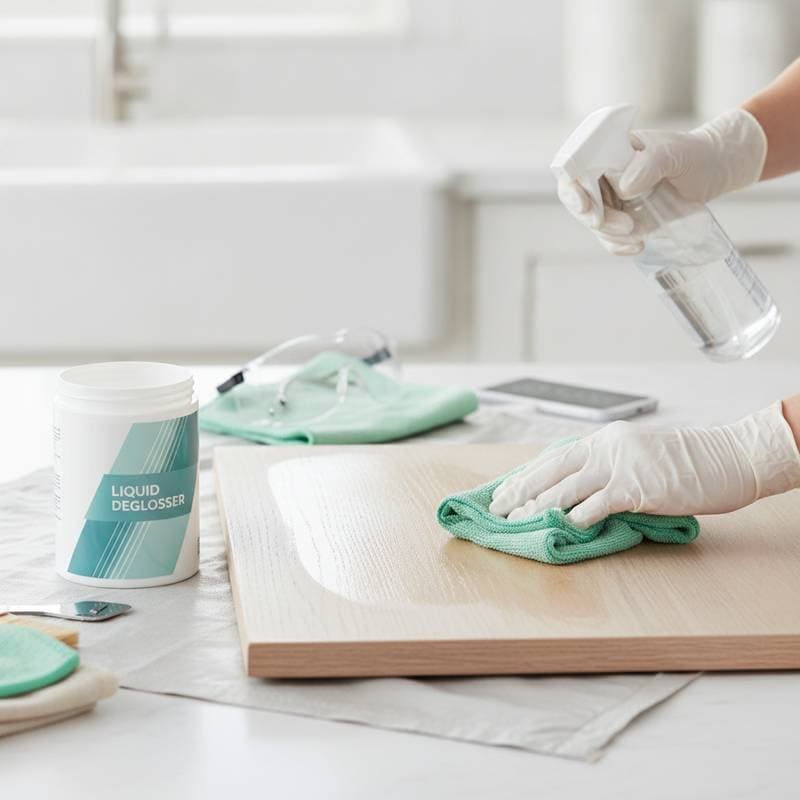
This water-based, non-toxic formula handles cleaning and deglossing simultaneously. It eliminates fingerprints, oils, and dirt while preparing glossy areas for paint adhesion, ideal for cabinets and trim. Rinse it easily after use for a clean workspace.
Average cost: $12 to $18 per quart
Coverage: 75 to 100 square feet per quart
Jasco Easy Liquid Sander Deglosser
Formulated as a potent solvent for varnished surfaces, this product often bypasses sanding requirements. Proper ventilation and gloves remain essential during application to manage fumes effectively.
Average cost: $15 to $25 per quart
Coverage: 100 to 125 square feet per quart
Klean-Strip Easy Liquid Sander Deglosser
Reliable for furniture and cabinet projects, this option dulls finishes rapidly and permits immediate painting. Professionals favor it for durable results on frequently touched surfaces.
Average cost: $10 to $16 per quart
Coverage: 80 to 120 square feet per quart
Simple Green Cleaner and Deglosser
An environmentally conscious choice for moderate cleaning and deglossing needs. Though less intense than solvents, it suits indoor applications and pairs well with various paints.
Average cost: $8 to $15 per quart
Coverage: 100 to 150 square feet per quart
Performance and Value Comparison
| Product | Cleaning Strength | Ease of Use | Environmental Safety | Ideal Use Case |
|---|---|---|---|---|
| Krud Kutter Gloss-Off | High | Easy | Excellent | Cabinets and trim |
| Jasco Deglosser | Very High | Moderate | Good | Heavy varnish or lacquer |
| Klean-Strip Deglosser | High | Easy | Good | Furniture and cabinetry |
| Simple Green | Medium | Very Easy | Excellent | Light-duty cleaning and prep |
Choose based on surface state and finish goals. Solvents excel on heavy gloss, whereas water-based products prioritize indoor safety and versatility.
Assessing Value and Long-Term Returns
Quality deglossers enhance paint bonding, minimize peeling risks, and prolong surface durability. The modest investment in superior prep averts expensive rework. For instance, inadequate deglossing on cabinets may cause chipping soon after application, necessitating repaints that exceed $500 to $2000. Allocating $10 to $20 extra upfront secures enduring results.
Practical Ways to Reduce Costs
- Opt for concentrated formulas and dilute as directed to maximize value.
- Pre-treat greasy areas with dish soap to conserve deglosser.
- Select multifunctional products that clean and dull in one pass.
- Apply in controlled sections to prevent drying waste.
- Seal and store leftovers properly to preserve usability for later tasks.
Building a Solid Budget for Projects
Incorporate cleaning and prep into overall painting budgets post-TSP ban. Factor in gear and tools for optimal efficiency. Dedicate 10 to 15 percent of total costs to these essentials. Test products on inconspicuous spots first to verify suitability, fostering finishes that demand fewer maintenance efforts over time.
Frequently Asked Questions
What Serves as the Best TSP Replacement for Cabinets?
Krud Kutter Gloss-Off and Klean-Strip Liquid Sander Deglosser stand out for cabinet work. Both provide thorough cleaning and dulling without phosphates, outperforming TSP in safety.
Do TSP Alternatives Match Original Effectiveness?
Current options deliver comparable or superior performance with proper application. Integrated cleaning-deglossing formulas streamline processes while upholding adhesion standards.
How to Cut Costs When Adopting TSP Substitutes?
Select concentrates, pre-clean surfaces, and buy appropriately sized containers. These steps balance expense with sufficient coverage for the task.
Is Sanding Necessary Before Deglossing?
Light sanding aids very glossy or thick coatings, but liquid deglossers often suffice alone. Adhere to product guidelines for optimal outcomes.
How Much to Allocate for Cabinet Prep?
Reserve 10 to 15 percent of the painting budget for cleaners, applicators, gloves, and disposal. This ensures comprehensive preparation.
When to Schedule Cabinet Prep for Painting?
Choose moderate temperatures and humidity levels. Steer clear of high heat or dampness, which hinder drying and efficacy.