- Premium or high-capacity setup: $1,000 to $1,300
What's Included
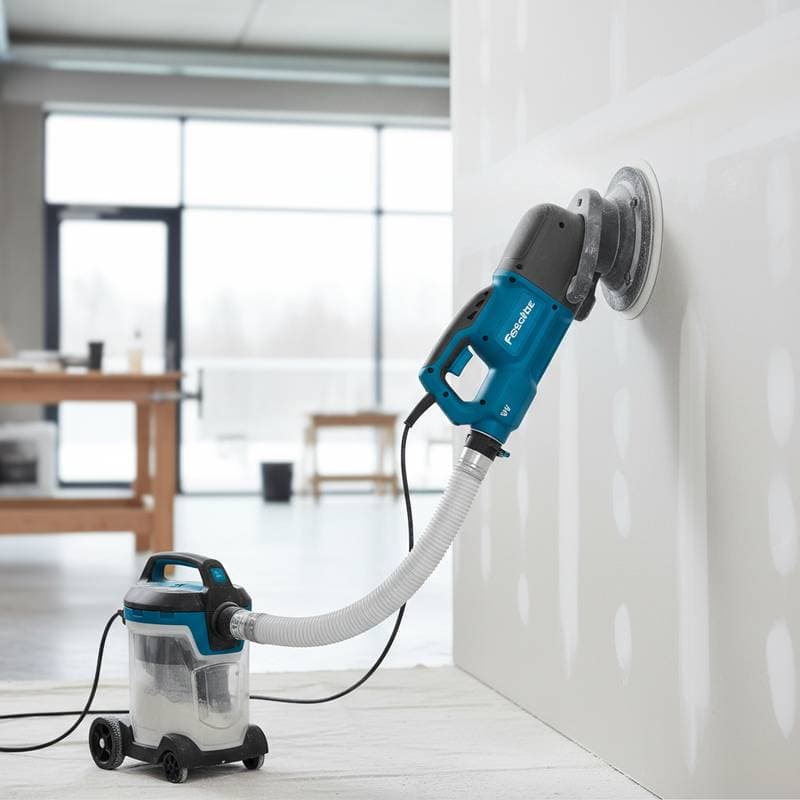
- Power sander featuring adjustable speed and interchangeable sanding heads
- Integrated vacuum or dust extraction unit with fine-particle filtration
- Flexible hoses and secure connectors to maintain airtight flow
- Assorted sanding discs in multiple grit levels
- Telescoping extension poles for efficient ceiling access
What Costs Extra
- Replacement sanding discs: $20 to $40 per pack
- HEPA filter enhancements: $75 to $150
- Durable hoses or rapid-connect fittings: $50 to $100
- Annual maintenance supplies like seals and bearings: $25 to $50
Factors That Affect Final Cost
| Factor | Cost Impact | Examples |
|---|---|---|
| System capacity | Larger units raise expenses | High-volume vacuums for extensive jobs |
| Brand and build quality | Superior materials increase price | Precision-engineered models with advanced filters |
| Filtration level | Advanced options add fees | HEPA systems for sensitive indoor spaces |
| Attachments and reach | Extras elevate total | Articulating heads and long-reach poles |
| Usage frequency | Heavy-duty designs cost more | Equipment built for frequent professional operation |
Timeline Expectations for Drywall Sanding Projects
Typical Project Durations
- Small room or patch repair: 2 to 4 hours
- Medium-sized room: 1 to 2 days, accounting for drying between coats
- Whole-home preparation: 3 to 5 days, based on surface area and condition
Time Factors
| Phase | Duration | Details |
|---|---|---|
| Joint compound drying | 12 to 24 hours per coat | Environmental humidity and temperature influence speed |
| Sanding and refinement | 1 to 3 hours per room | Dustless tools enable quicker successive passes |
| Cleanup and inspection | 30 minutes to 1 hour | Reduced residue minimizes effort |
| Priming and painting prep | 1 day | Cleaner surfaces accelerate drying |
Dustless systems compress overall timelines by eliminating major cleaning intervals. Conventional methods often demand a full day to clear dust before priming proceeds.
How to Choose the Right Contractor or Handyman
Research and Verification
Verify a contractor's licensing, insurance, and client references prior to engagement. Inquire about dust management techniques and commitment to dustless sanding. Professionals equipped with current tools deliver superior cleanliness and efficiency.
Comparing Quotes
Obtain at least three comprehensive estimates. Scrutinize inclusions beyond base pricing, such as dust mitigation and post-work restoration. Budget bids excluding these elements may incur hidden expenses through additional cleaning hires.
Established providers incorporate sanding, surface preparation, and debris removal into quotes. They detail HEPA filtration usage to ensure controlled environments.
Evaluating Work Quality
Review completed projects firsthand when feasible. Uniform lighting on walls, seamless joints, and precise corners signal expertise. Solicit feedback on job-site tidiness from prior clients. Effective dust control safeguards the workspace and resident well-being.
The Financial Value of Cleaner Sanding
An $800 dustless sander requires upfront investment, yet it yields long-term savings. Standard sanding demands extended cleaning periods, possible HVAC maintenance, and fixes for dust-damaged areas. Reduced labor on debris removal and accelerated schedules recoup costs swiftly for tradespeople.
Homeowners access these advantages by selecting equipped contractors, avoiding personal purchases. Projects conclude promptly, residences remain orderly, and finishes exhibit consistency.
Health and Safety Considerations
Drywall particles irritate respiratory systems and eyes due to their microscopic size. Extended contact exacerbates issues for those with respiratory sensitivities. Dustless extraction minimizes inhalation risks substantially.
Respirators or masks provide essential protection during operation. Safety glasses and ear guards complement motorized tool use.
Planning Your Project
Effective drywall work starts with defined goals. Follow these steps whether managing personally or delegating to experts:
- Evaluate project scale to determine equipment needs.
- Allocate funds for workforce and residual tasks.
- Discuss sanding protocols and tools with potential hires.
- Examine walls under bright light for defects.
- Time painting after confirming dryness and cleanliness.
This $800 dustless sander elevates drywall finishing from disorderly to methodical. Professionals gain productivity and reliability. Homeowners enjoy reduced disruption and improved indoor conditions.
Frequently Asked Questions
1. How much does it cost to have a contractor use dustless sanding in my home?
Drywall specialists integrate dustless sanding into standard services. Rates range from $1.50 to $3.00 per square foot for finishing, varying by surface state and location. Specialized equipment might incur a $100 to $200 surcharge per job, offset by avoided cleaning fees.
2. How long does a typical dustless sanding project take?
Sanding a single room prepares it for primer in hours. Extensive renovations span days, incorporating compound drying cycles. Immediate debris capture facilitates prompt reviews and adjustments.
3. Should I rent a dustless sander or hire a professional?
Renting suits minor tasks like repairs or small spaces. For broader scopes with elevated surfaces, professionals prove more effective. They possess optimized gear and techniques for even outcomes.
4. What should I look for when hiring someone to sand drywall?
Prioritize tenure, dust suppression strategies, and liability protection. Seek endorsements and visual records of prior efforts. Insist on robust extraction with superior filters. Cleanliness-focused hires yield refined results.
5. How can I prepare my home before sanding starts?
Secure or relocate furnishings, seal air vents, and vacate the area. Confirm electrical access for devices. Coordinate pathways with workers to limit contamination. Post-sanding, damp-wipe and floor-vacuum prior to coating.
6. What are common problems that arise during drywall sanding?
Irregular textures, prominent joints, and pervasive dust plague outdated approaches. Dustless methods avert these through sustained clarity and instant collection. Primer-revealed flaws permit swift corrections without extensive redo.
Knowledge of the $800 dustless sander equips homeowners to navigate wall preparation innovations. This awareness fosters precise planning and informed choices for renovations ahead.