Reduce Painting Preparation Time by 60 Percent by Skipping Sanding with TSP
Sanding often represents the most time-consuming and dusty aspect of painting preparation. Professional and do-it-yourself painters alike encounter the challenge of fine dust clouds and physical strain. However, it is possible to eliminate up to 60 percent of this sanding through the use of an appropriate cleaner, method, and targeted techniques. This approach yields smooth, paint-ready surfaces while minimizing disruption in the workspace.
Understanding TSP Cleaner as the Key Tool
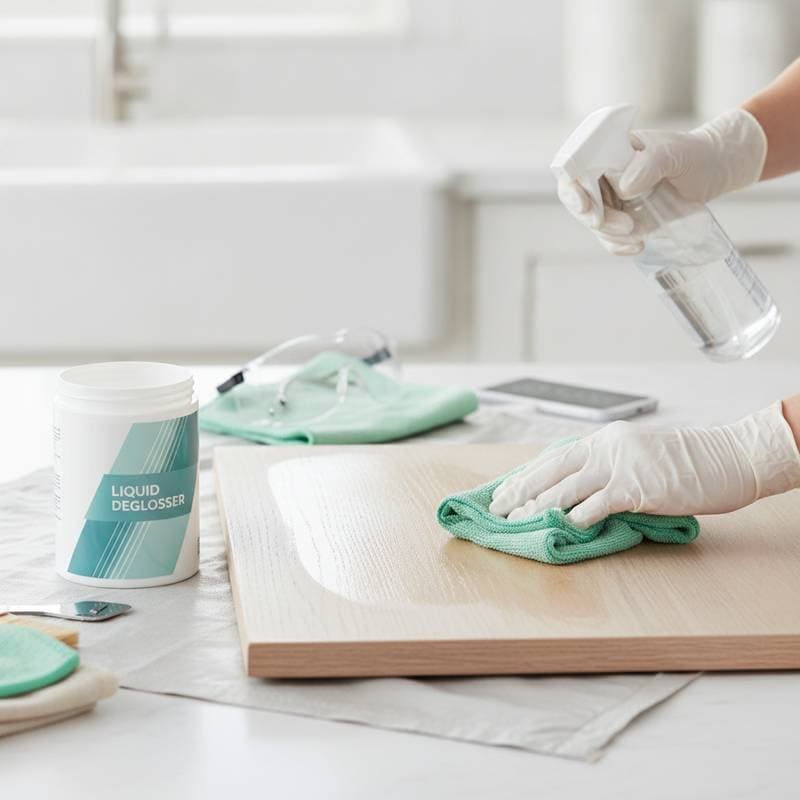
The primary tool in this efficient preparation method is TSP, which stands for trisodium phosphate. This heavy-duty cleaner effectively removes grease, grime, and glossy residues that can prevent paint from adhering properly. Rather than mechanically abrading the surface with sandpaper, TSP chemically deglosses and cleans deeply, creating a receptive base for new coatings.
TSP proves particularly effective on the following surfaces:
- Kitchen cabinets finished with aged oil-based paints
- Trim and doors coated in semi-gloss or high-gloss paint
- Walls accumulated with residues from daily use, smoke, or cooking
- Furniture treated with wax or polish
The process relies on basic chemistry. Application of TSP eliminates thin, invisible films that hinder adhesion. As a result, primer or paint bonds directly to the underlying material, avoiding issues with slick residues.
Determining When to Skip Sanding
TSP offers significant benefits, yet it does not suit every scenario. Surfaces such as raw wood, flaking paint, or those with uneven textures still require sanding. For glossy but intact finishes needing repainting, TSP can substitute for most or all sanding efforts.
Consider this decision guide:
- Skip sanding on smooth, stable surfaces without peeling or damage.
- Perform light scuffing if the surface remains slick post-cleaning.
- Conduct full sanding for areas showing cracks, flaking, or exposed patches.
In professional repainting projects, TSP handles the majority of preparation, often eliminating 60 percent of sanding requirements. This translates to substantial time savings and reduced dust generation.
Step-by-Step Application of TSP for Optimal Results
Follow these steps to maximize the effectiveness of TSP in surface preparation.
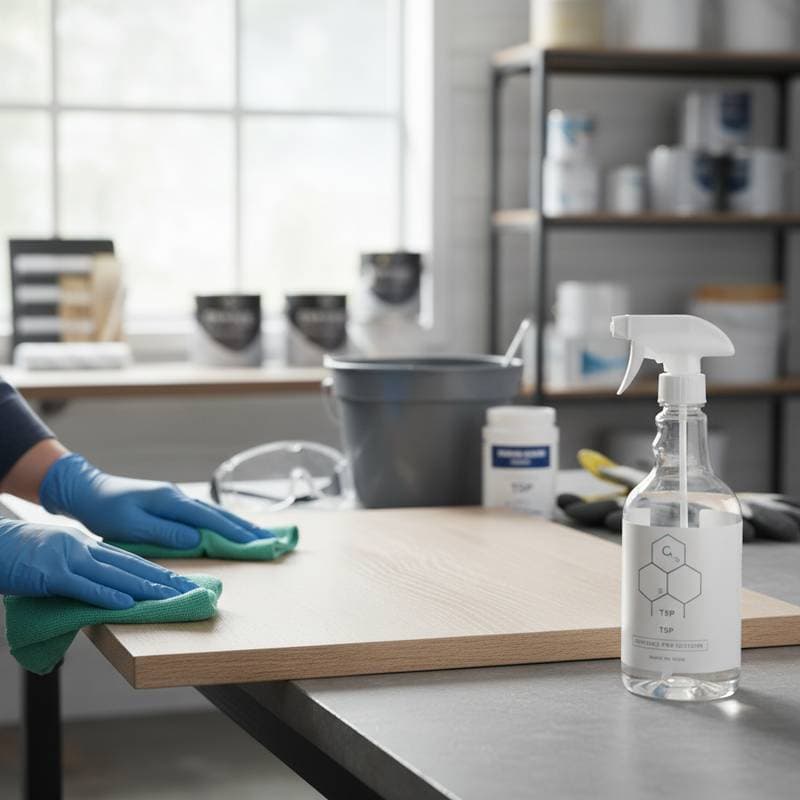
- Prepare the solution accurately. Adhere to product instructions, typically mixing one tablespoon of TSP per gallon of warm water for general cleaning. Increase concentration for heavily greased or glossy areas.
- Ensure personal protection. Wear gloves and goggles, as TSP has alkaline properties. Restrict access to the area for children and pets during application.
- Apply the mixture evenly. Use a sponge or cloth, working from lower areas upward to prevent drips and streaking. Allow brief dwell time on resistant spots.
- Rinse thoroughly. Follow with clean water to eliminate all residues. A second pass with a damp cloth confirms complete removal.
- Allow full drying. Permit the surface to dry entirely before applying primer or paint. Residual moisture can cause bubbling or adhesion failures.
Post-application, the surface will feel cleaner and provide better grip, indicating readiness for painting.
Adapting the Method to Different Budgets
Effective preparation remains accessible regardless of financial constraints. Adapt the approach as follows:
- For minimal investment: Purchase powdered TSP or a substitute, along with a basic bucket and reusable cloths. Total expenditure stays below ten dollars.
- For moderate investment: Opt for a spray TSP formulation, microfiber applicators, and an extension pole for elevated surfaces. These tools enhance speed and convenience.
- For larger-scale projects: Acquire a professional cleaning setup featuring extension wands and dedicated rinse containers. Such equipment halves preparation time and lowers overall labor expenses.
Across all levels, the outcome delivers a clean, adherent surface that accepts paint seamlessly.
Selecting TSP Substitutes Where Necessary
Environmental regulations in certain regions limit traditional TSP due to phosphate impacts on water systems. Phosphate-free alternatives provide viable options. Seek heavy-duty degreasers or deglossers formulated without phosphates.
Recommended products include Krud Kutter, Dirtex, or Savogran phosphate-free variants, which perform comparably. Test on an inconspicuous area to verify compatibility and avoid unintended dulling of sensitive finishes.
Professional Techniques for Superior Outcomes
In high-pressure environments such as television production sets and rapid remodels, TSP facilitates adherence to tight schedules. Implement these field-tested strategies:
- Employ dual buckets: Dedicate one to the TSP solution and another to rinse water, preventing residue redeposition.
- Process in manageable sections: Limit cleaning to four square feet at a time to avoid drying on the surface.
- Verify texture: After rinsing, assess the surface by touch. It should feel clean and slightly rough, promoting adhesion.
- Apply primer strategically: Use bonding primers on glossy or high-traffic zones to secure the finish.
- Inspect with light: Direct a lamp across the surface prior to painting. This reveals any overlooked areas for targeted touch-ups.
Maintaining Long-Term Surface Performance
A TSP-prepared surface supports enhanced paint durability. Coatings resist chipping and clean easily without surface degradation. For subsequent repaints, repeat the TSP process to bypass extensive sanding once more.
This repeatable preparation cycle conserves time, effort, and resources across projects. Whether refreshing a single wall or undertaking a complete home repaint, the method ensures professional-grade results with minimal hassle.
Prepare your materials, apply the cleaner, and experience the advantages of streamlined prep work. Achieve smooth finishes, control dust, and allocate more time to the creative aspects of your painting endeavor.