Prevent Costly DIY Painting Errors: Sand Between Coats
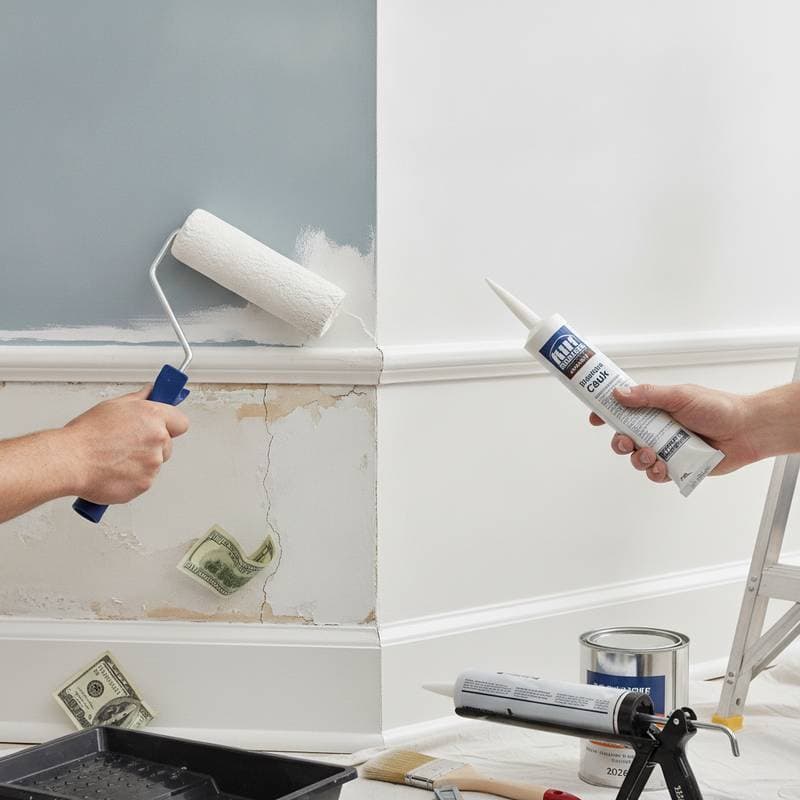
Many individuals apply a fresh coat of paint and admire the initial result, only to discover peeling, bubbling, or rough textures shortly after. Such issues often lead to expensive repairs, sometimes exceeding $800 for a single project. The solution lies in a straightforward practice: sanding between coats.
This technique distinguishes amateur efforts from professional outcomes. It requires minimal time and expense, making it accessible for beginners and experienced painters alike. The following sections explain the process in detail to ensure your next painting endeavor yields smooth, enduring results.
The Importance of Sanding Between Coats
Paint adheres best to surfaces with a subtle texture, allowing each layer to bond securely and cure uniformly for a vibrant appearance. Without sanding, the glossy residue from the previous coat hinders proper attachment, leading to several problems.
These include peeling or chipping due to weak bonds, prominent brush or roller marks that intensify over layers, and inconsistent sheen with alternating glossy and matte areas. In professional settings, such as film productions, unsanded surfaces may appear flawless under artificial lighting but fail in everyday conditions. A light sanding consistently resolves these issues and preserves the project's integrity.
Essential Tools for Sanding
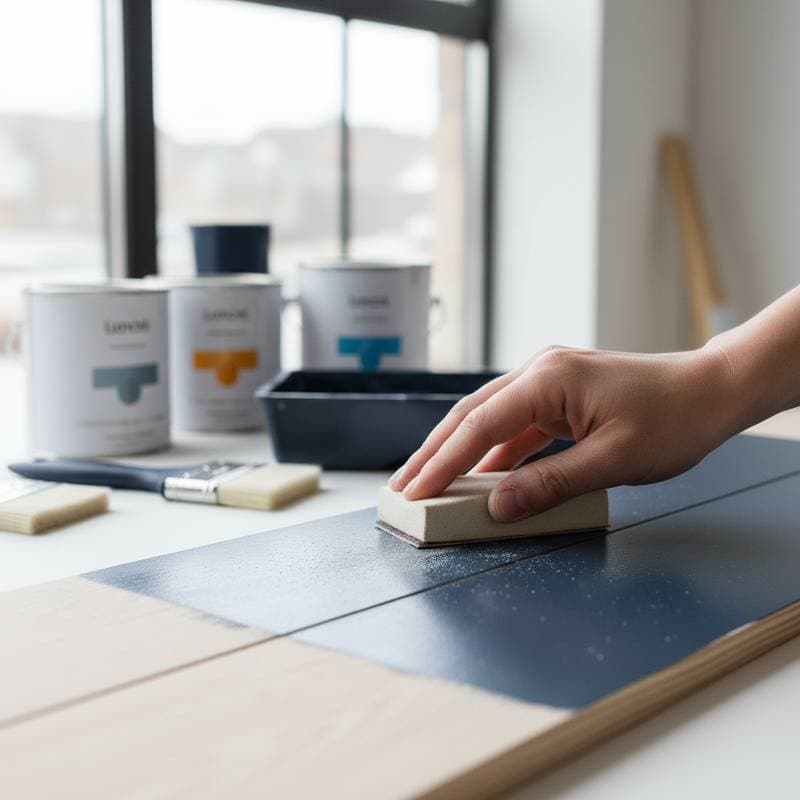
Effective sanding demands only basic, affordable supplies. Begin with fine-grit sandpaper in the 220 to 320 range, which provides the ideal balance of abrasion without damaging the paint.
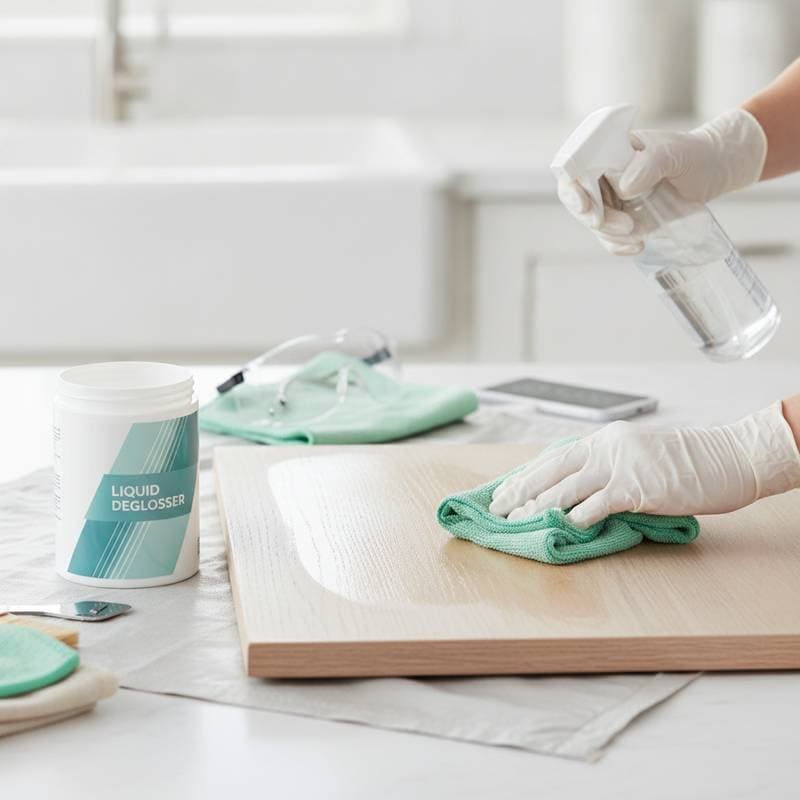
Pair this with a sanding block or sponge to distribute pressure evenly and prevent gouges. Follow up with a tack cloth or microfiber rag to remove fine dust particles. A vacuum cleaner with a soft brush attachment facilitates thorough cleanup, especially in larger areas.
For detailed work on doors, trim, or cabinets, an orbital sander offers efficiency and uniformity. On expansive walls, manual sanding suffices and allows precise control.
Step-by-Step Guide to Sanding Between Coats
-
Allow each coat to dry fully according to the manufacturer's guidelines, typically 2 to 4 hours for latex paints or longer for oil-based formulas. Premature sanding creates a gummy residue that compromises the surface.
-
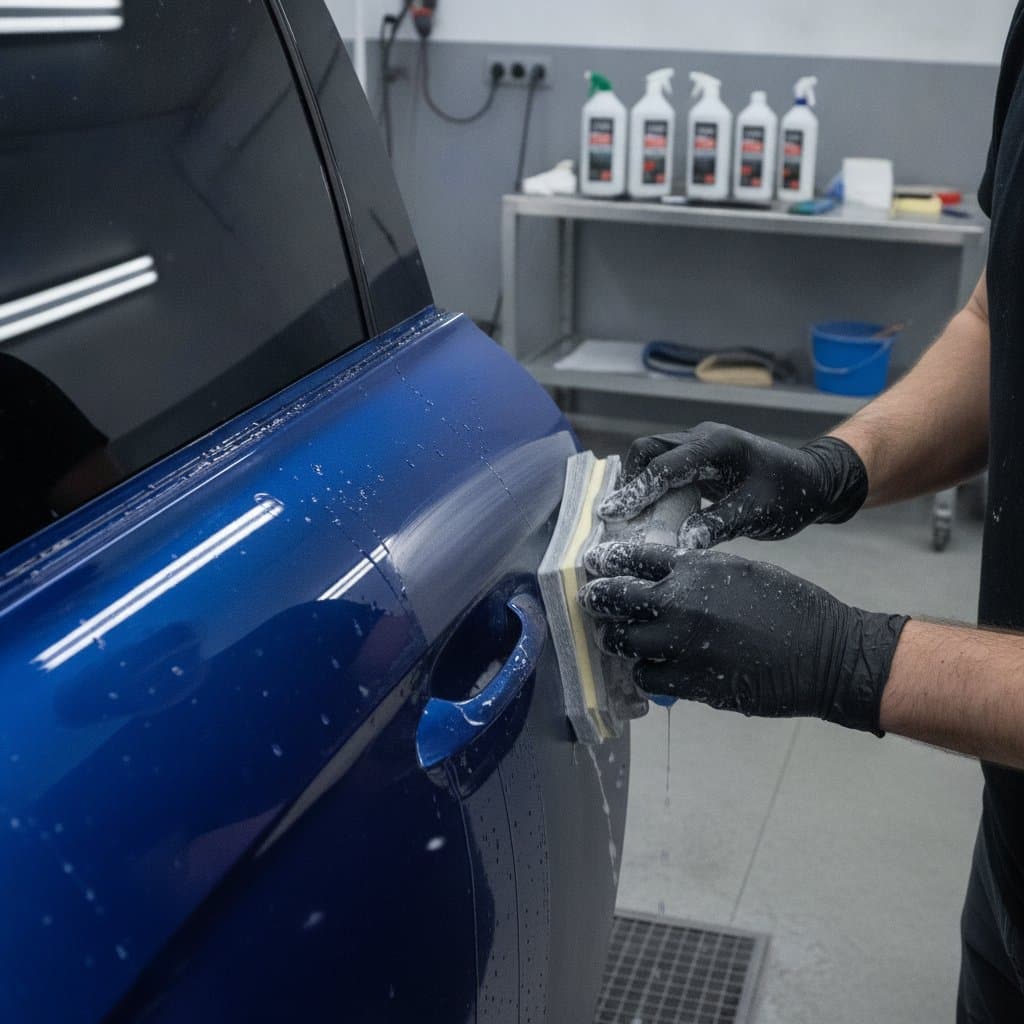
Apply light, even pressure to dull the gloss without removing significant paint. Focus on creating a uniform matte finish across the entire area.
-
Sand in gentle circular motions or straight passes, maintaining consistency to avoid ridges or low spots. Work systematically from top to bottom or in sections to track progress.
-
Wipe away all dust immediately using a tack cloth, ensuring no particles remain to interfere with the next coat's adhesion.
-
Examine the surface under bright, angled lighting to identify any remaining glossy areas. Run your hand over it; a smooth, velvety texture indicates readiness for the subsequent layer.
This methodical approach transforms potential flaws into a seamless base for further coats.
Budget-Friendly Sanding Solutions
Sanding accommodates various financial levels while delivering comparable quality. For minimal investment, purchase a single sheet of fine-grit sandpaper and a tack cloth, costing under $5 and suitable for small jobs like accent walls or touch-ups.
At a moderate budget, incorporate a sanding sponge for ergonomic handling and a vacuum attachment to manage dust, ideal for multi-room interiors or furniture refinishing. These additions enhance comfort during extended sessions.
For larger projects, opt for a random orbital sander paired with assorted grit packs. This setup accelerates the process, reduces physical strain, and ensures precision on expansive surfaces like exteriors or ceilings.
Regardless of choice, adhere to the core method of light, uniform sanding between coats to achieve professional-grade outcomes.
Avoiding Common Preparation Errors
Beyond neglecting sanding, several oversights can undermine results. Painting over lingering dust or residues prevents proper bonding; always clean thoroughly prior to each application.
Selecting inappropriate grit levels poses risks: coarse varieties scratch the surface, while overly fine ones fail to create sufficient texture for adhesion. Consult product labels to match grit with paint type.
Impatience with drying times leads to smudges or weak layers; verify environmental factors like humidity influence cure rates. Address texture variations by lightly resanding rougher sections to promote evenness.
These precautions act as safeguards, minimizing rework and preserving project timelines.
Knowing When Sanding Is Complete
Cease sanding once the surface achieves a consistent matte appearance and smooth tactility. Excessive abrasion risks exposing underlying primer or base coats, necessitating additional layers to correct inconsistencies.
Test by passing your hand across the area; it should feel uniformly soft without sticky or raised portions. Perform frequent checks during the process to maintain balance and avoid overworking any section.
Achieving Lasting, Professional Results
After the final coat cures fully, typically 24 to 48 hours, the surface will exhibit a flawless, resilient finish. This method suits diverse applications, from revitalizing kitchen cabinets and refreshing bedroom walls to enhancing exterior trim.
Sanding fosters cohesive layers that enhance durability, visual appeal, and longevity. By integrating this practice, painters invest in quality that withstands daily wear. The next project will reflect careful craftsmanship, free from common pitfalls and poised for enduring satisfaction.