Terracotta and Burnt Sienna Paint Trends for Mediterranean Interiors
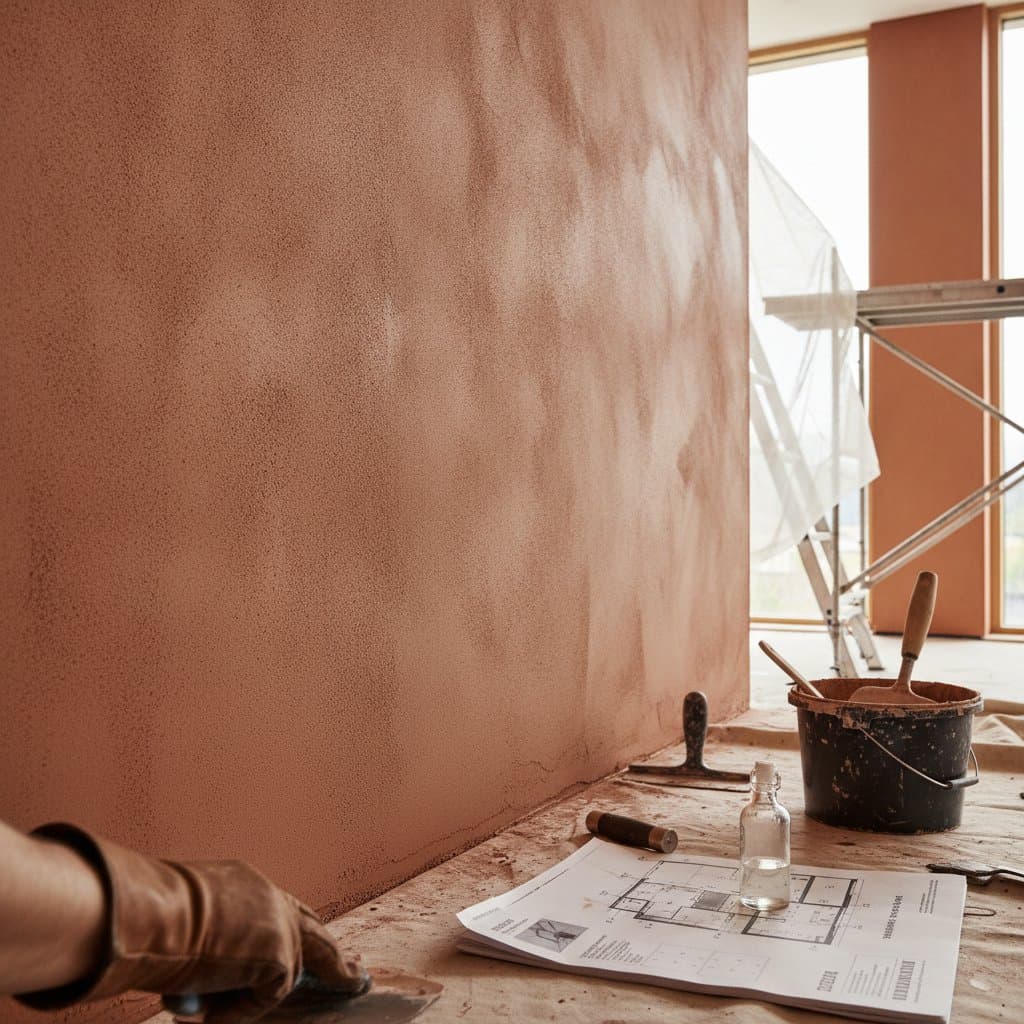
Warm, earthy tones continue to shape residential design choices. Terracotta and burnt sienna capture the sunlit character of Mediterranean settings and translate it to interior walls. These shades combine the texture of natural clay with the depth of aged plaster, resulting in rooms that feel stable and welcoming. Homeowners select these colors to introduce dimension and lasting visual interest.
Terracotta and Burnt Sienna Painting Costs
Painting with terracotta or burnt sienna typically costs between $3 and $7 per square foot when labor and materials are included. A standard room usually totals $600 to $1,400 once size, surface preparation, and finish level are considered.
Cost by Room Size
- Small room (up to 150 sq. ft.): $400 to $700
- Medium room (150 to 300 sq. ft.): $700 to $1,200
- Large room (300 sq. ft. or more): $1,200 to $2,000
Cost Components per Square Foot
- Materials: $1 to $2
- Labor: $2 to $4
- Surface preparation and cleanup: $0.50 to $1
- Premium finishes or added texture: $1 to $2
Elements That Influence Final Project Cost
Surface condition determines preparation time. Walls that show cracks or uneven areas require patching and sanding, which adds $100 to $300. Higher-pigment paints produce authentic Mediterranean depth and cover more efficiently, though they carry a higher material price. Techniques such as faux plastering or layered color washing demand extra skill and raise labor charges by 20 to 30 percent. Lighting affects how the color reads throughout the day, so test samples on site before full application. Labor rates also vary by location and season, with urban markets generally commanding higher fees.
Finish Options and Their Price Ranges
| Finish Type | Basic Range | Standard Range | Premium Range | Characteristics |
|---|---|---|---|---|
| Matte | $3 to $5 | $5 to $6 | $6 to $7 | Soft appearance that conceals minor surface flaws and suits traditional Mediterranean rooms |
| Satin | $3 to $6 | $6 to $7 | $7 to $8 | Light sheen that resists wear and simplifies cleaning |
| Textured or Faux Plaster | $5 to $8 | $8 to $10 | $10 to $12 | Multi-layer application that mimics aged stucco or limewash surfaces |
Practical Advantages of These Color Choices
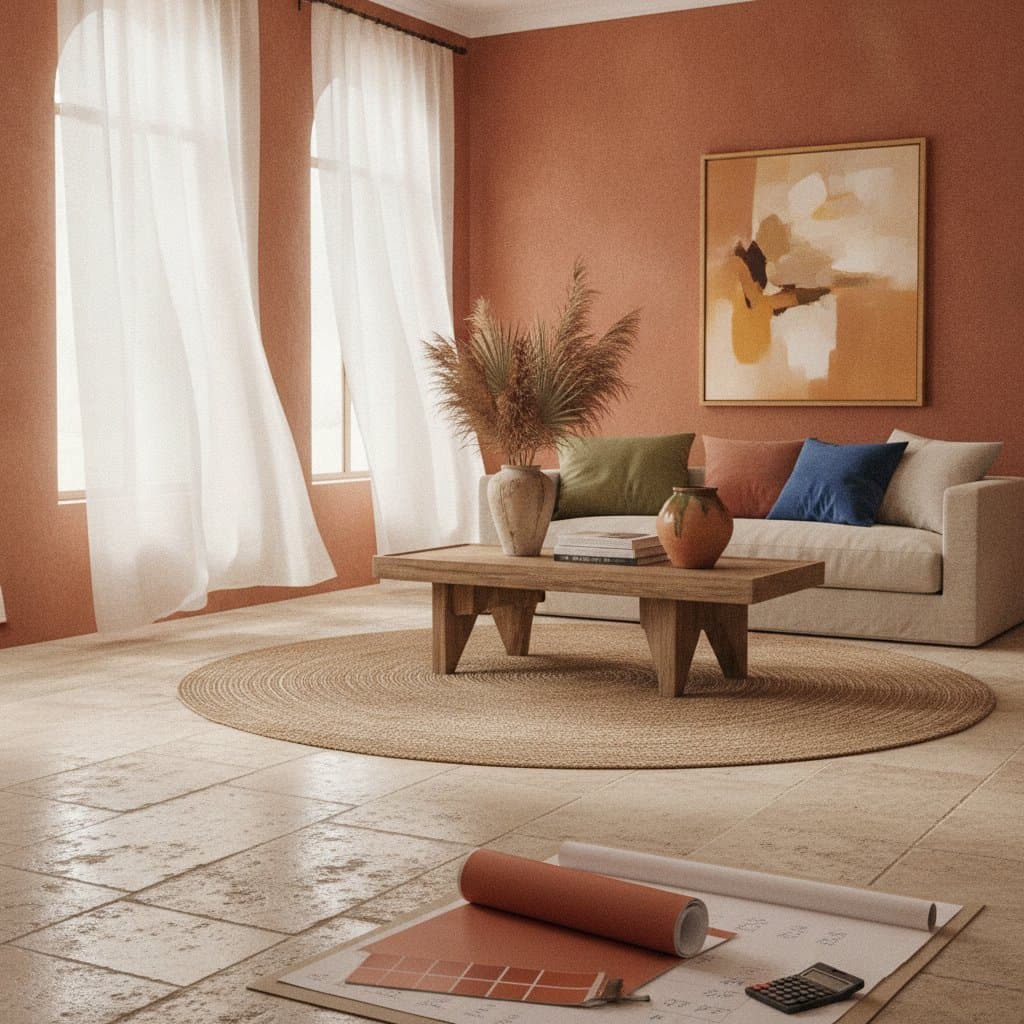
Terracotta and burnt sienna pair well with natural wood, stone, and linen textiles. They create visual warmth without overwhelming smaller spaces when used on a single accent wall. The colors also age gracefully, maintaining appeal across changing furniture arrangements or seasonal decor updates.
Steps to Control Project Expenses
- Complete basic wall cleaning and edge taping before the crew arrives.
- Select mid-tier paints that deliver strong color without premium pricing.
- Schedule work during slower months when rates may be more competitive.
- Limit full-room coverage by applying the shade to architectural features only.
Budget Planning Recommendations
Add a 10 to 15 percent contingency line for additional materials or minor repairs discovered during preparation. Request written quotes that separate labor, materials, and any texture work so comparisons remain clear. Verify that the chosen paint line offers consistent batch color to avoid visible variation on large surfaces.
Frequently Asked Questions
What is the average cost to paint with terracotta or burnt sienna colors?
Most projects fall between $3 and $7 per square foot once surface condition, paint grade, and finish type are factored in.
What factors influence the cost of these Mediterranean shades?
Preparation requirements, pigment quality, texture methods, room lighting, and local labor rates each affect the final total.
How can expenses be reduced while preserving quality?
Use mid-range paints, handle simple prep tasks in advance, and book during periods of lower demand.
Is professional application necessary?
Homeowners can manage smooth walls and basic finishes themselves, yet professionals achieve uniform depth and texture on larger or more complex surfaces.
How should unexpected costs be anticipated?
Reserve 10 to 15 percent of the budget for extra paint, small repairs, or added labor time.
Which season offers the most favorable pricing?
Late winter and early spring commonly provide better availability and reduced rates due to lower overall demand.