The Essential $30 Tool That Prevents $8,000 Mold Disasters in Painting
Homeowners embarking on a painting project typically prioritize selecting colors, choosing finishes, and envisioning the end result. However, a single overlooked factor can undermine the entire effort: excess moisture in surfaces. A moisture meter, available for approximately $30, serves as a critical safeguard against mold growth and paint failure, potentially saving thousands in remediation costs.
This device empowers both DIY enthusiasts and professionals to assess material readiness accurately. By detecting hidden dampness early, it ensures paint bonds effectively and maintains the integrity of walls, ceilings, and trim over time. Neglecting this step invites problems that escalate quickly into structural and health concerns.
Understanding the Importance of Moisture Testing Before Painting
Paint application demands dry, stable substrates to achieve lasting results. Moisture trapped within drywall, wood, plaster, or concrete leads to adhesion issues such as bubbling and peeling. Over time, these failures foster mold proliferation, which requires comprehensive removal and repair.
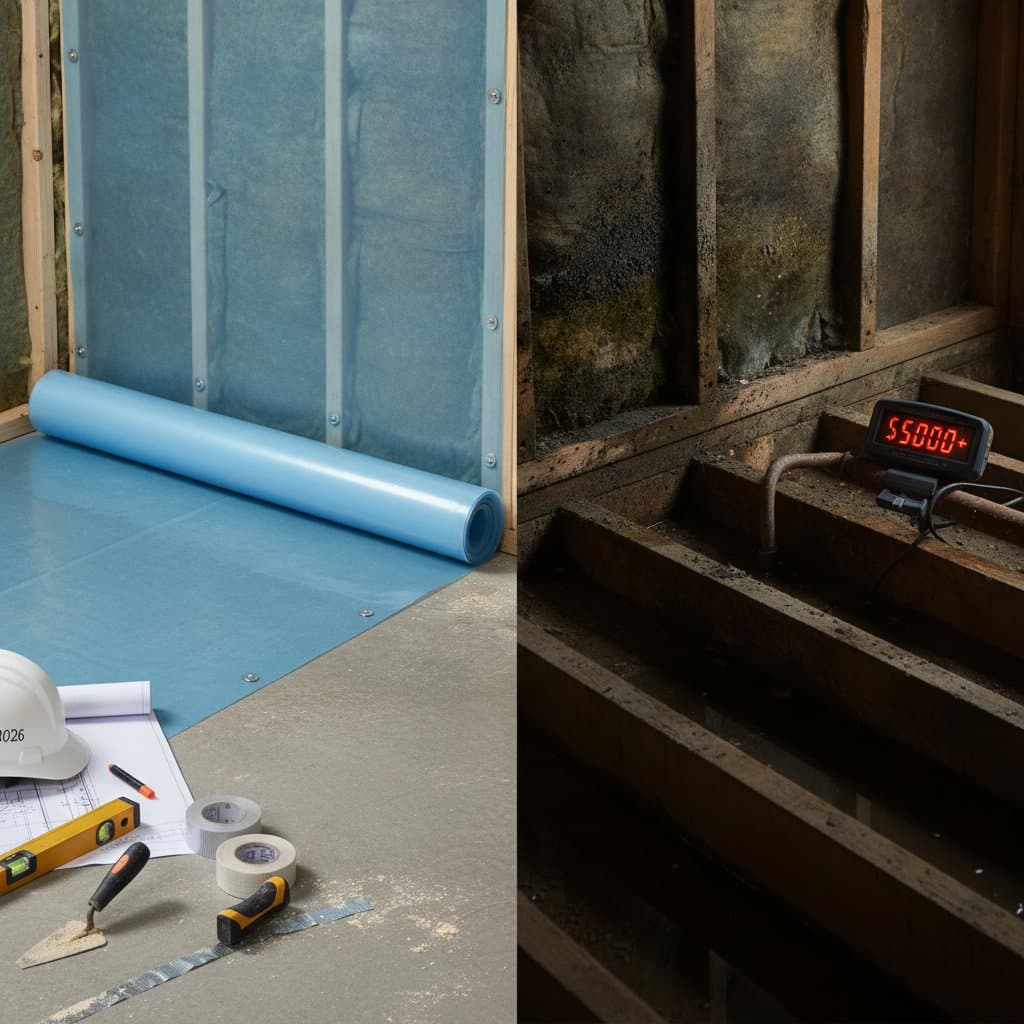
Mold remediation often exceeds $8,000 when it affects multiple areas, including insulation replacement and air quality restoration. Conducting a moisture test identifies problematic zones for targeted drying or professional intervention. This proactive measure preserves the investment in paint and labor while protecting occupant health from allergens and irritants.
How Moisture Meters Function and Which Type to Choose
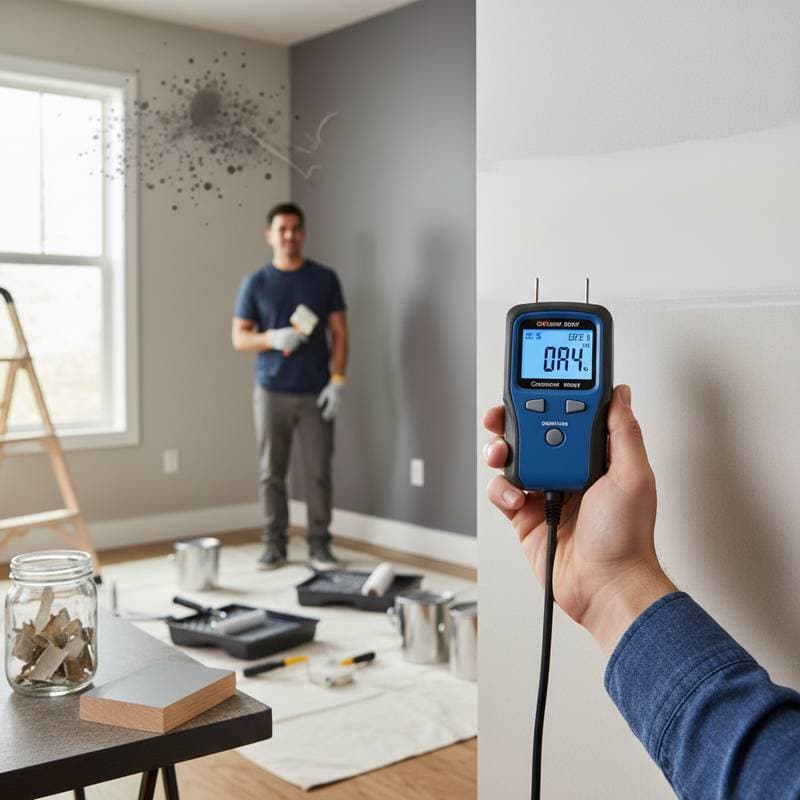
Moisture meters quantify water content in building materials through electrical resistance or electromagnetic signals. Pin-type models insert small probes into the surface for precise depth readings, ideal for wood or dense substrates. Pinless variants scan larger areas non-invasively, suiting drywall or finished walls without damage.
Readings appear on a digital display, typically as a percentage of moisture content. For optimal paint performance, wood should register below 12 percent, while drywall and masonry tolerate up to 15 percent. Calibrate the meter according to manufacturer guidelines and test multiple spots, including edges and seams, to capture variations.
Select a model with adjustable settings for different materials to enhance accuracy. Basic units suffice for home use, but those with data logging features benefit frequent projects by tracking changes over drying periods.
Analyzing Costs and Long-Term Savings
| Item | Average Cost | Potential Savings | Key Benefit |
|---|---|---|---|
| Basic moisture meter | $25 - $35 | Prevents $8,000+ in mold cleanup | Early detection of hidden issues |
| Professional inspection | $300 - $600 | Reduces need for expert evaluation | Routine checks make pros optional |
| Full mold remediation | $5,000 - $10,000 | Avoids entirely with prevention | Eliminates health and structural risks |
The modest expense of a moisture meter yields substantial returns by averting disasters. Homeowners avoid not only financial burdens but also disruptions from professional services. Professionals integrate it into workflows to uphold quality standards and client satisfaction.
Key Influences on Moisture Levels in Preparation
Surface Material Variations
Different materials absorb and release water at varying rates. Concrete slabs or plaster walls demand extended drying after exposure to water, often weeks longer than wood trim. Patched sections, where joint compound or fillers introduce additional moisture, require vigilant monitoring to prevent localized failures.
Test these areas repeatedly, spacing checks by days if initial readings exceed thresholds. This approach ensures uniformity across the project surface.
Environmental Conditions
Ambient humidity and airflow significantly impact drying efficiency. In high-humidity environments like coastal regions or during rainy seasons, surfaces retain water longer. Basements, bathrooms, and kitchens, with limited ventilation, amplify risks from daily activities such as cooking or showering.
Mitigate these by employing exhaust fans, portable dehumidifiers, or space heaters to accelerate evaporation. Maintain indoor humidity below 50 percent and monitor with a separate hygrometer for comprehensive control.
Extending Paint Durability Through Moisture Management
Beyond immediate project success, routine moisture testing promotes longevity in all home finishes. Dry substrates allow paint to form a robust barrier against future environmental stresses, reducing instances of cracking or fading. This practice minimizes repainting frequency, conserving resources over years.
Preventing mold also safeguards indoor air quality, averting symptoms like allergies or respiratory discomfort. Structural elements remain intact, avoiding costly interventions that compromise home value.
Steps to Integrate Moisture Testing Into Your Project
Start by acquiring a reliable moisture meter and reviewing its manual for calibration. Clean surfaces thoroughly to remove contaminants that skew readings. Probe or scan systematically, recording results in a notebook or app for reference.
If levels exceed safe limits, implement drying strategies and retest after 24 to 48 hours. Consult a specialist only for persistent high readings indicating leaks or damage. This methodical process guarantees a foundation primed for success.
Frequently Asked Questions
What Constitutes a Safe Moisture Level for Painting?
Wood surfaces should show less than 12 percent moisture, and drywall under 15 percent. Exceeding these thresholds risks poor adhesion and subsequent issues. Always verify against paint manufacturer specifications for exact tolerances.
At What Stages Should Moisture Testing Occur?
Perform tests following surface preparation steps like cleaning, patching, or priming, but prior to final painting. Prioritize areas with recent water exposure, such as around windows or plumbing fixtures. Periodic checks during drying phases track progress effectively.
Do Budget Moisture Meters Provide Sufficient Accuracy?
Entry-level models deliver dependable results for standard painting applications. They detect critical thresholds reliably without the complexity of high-end devices. For precision in specialty projects, upgrade to models with material-specific modes.
Is Painting Over Mildly Damp Surfaces Acceptable?
No, even slight dampness traps water beneath the paint film, causing blisters and promoting mold. Allow full drying until readings normalize. Patience at this stage prevents rework and ensures aesthetic durability.
What Methods Lower Moisture Before Painting?
Enhance airflow with fans and open windows to promote evaporation. Deploy dehumidifiers in enclosed spaces and address underlying leaks promptly. Heat sources like space heaters speed the process, but avoid direct application to prevent uneven drying.
When Is Professional Moisture Assessment Necessary?
Reserve experts for extensive water intrusion or structural concerns. For standard repaints or refreshes, a personal moisture meter handles assessments adequately. This self-reliant approach saves time and expense while maintaining quality.