Why Terracotta and Clay Reds Define 2026 Kitchens
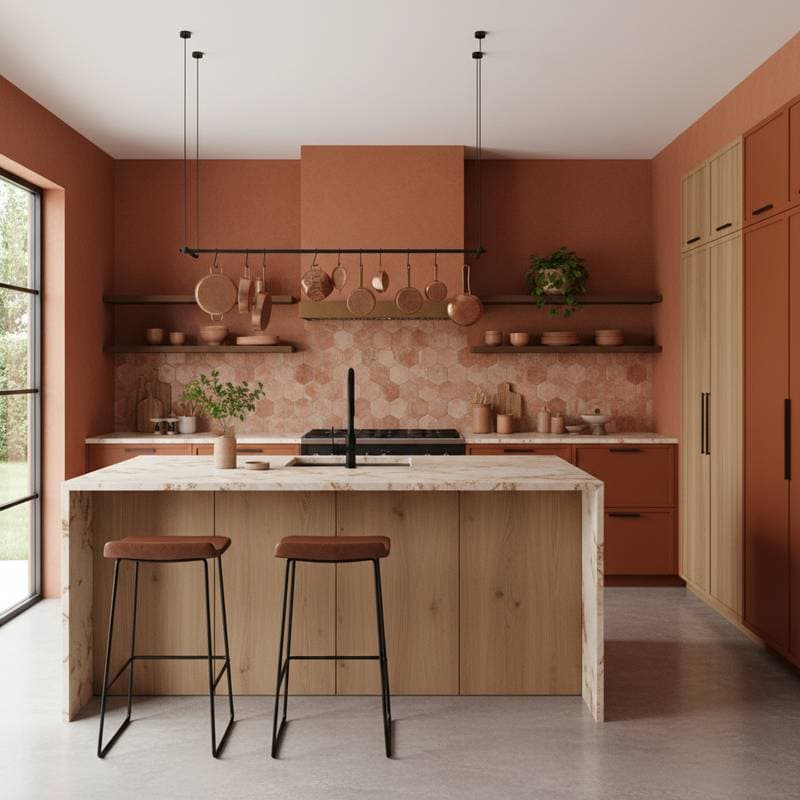
Warm, grounded, and welcoming, terracotta and clay red tones lead kitchen design trends. These shades provide balance in areas previously dominated by stark whites and cool grays. Homeowners now seek palettes that evoke earthiness and familiarity, and terracotta achieves this balance effectively. It unites the coziness of natural elements with the polish of contemporary layouts, yielding kitchens that appear both enduring and current.
The draw of these colors stems from their link to the natural environment. Terracotta hues blend red, orange, and brown, producing warmth that suits rustic and modern settings alike. They integrate smoothly with materials such as wood, stone, and metal, offering versatility across kitchen configurations.
Exploring the Terracotta and Clay Red Palette
Terracotta and clay reds draw inspiration from fired clay, featuring inherent depth that alters with light, texture, and adjacent features. Lighter variants approach peach or blush tones, whereas deeper shades shift toward brick or rust. This range empowers homeowners to craft striking focal points or gentle ambiance.
Essential Color Variations
- Soft terracotta: Subtle and sunlit, suitable for compact kitchens or areas requiring added luminosity.
- Classic clay red: Even and vibrant, ideal for cabinets or accent walls.
- Deep brick tones: Bold and stabilizing, effective as highlights or in expansive kitchens.
- Muted orange-browns: Adaptable neutrals that align with natural wood and stone.
These shades pair effectively with matte surfaces, tactile elements, and organic textiles. They also enhance warm metals like brass and copper, amplifying their inherent radiance.
Cost Breakdown for a Terracotta Kitchen Transformation
Updating a kitchen with terracotta and clay tones extends beyond wall applications. Expenses vary based on project size, selected materials, and involvement of skilled painters.
Typical Cost Ranges by Project Size
- Small kitchen repaint: $800 to $1,800
- Medium kitchen repaint with basic preparation: $1,800 to $3,200
- Large kitchen repaint or comprehensive color overhaul: $3,200 to $5,500
Per-Square-Foot Cost Components
Kitchen painting typically ranges from $3 to $7 per square foot, encompassing:
- Materials: $1 to $2 per square foot for paint and associated supplies
- Labor: $2 to $4 per square foot for expert application
- Preparation: $0.50 to $1 per square foot for sanding, patching, and surface cleaning
- Extra elements: $0.50 to $1 per square foot for trim details, intricate work, or custom finishes
These figures represent standard rates for quality mid-level initiatives. High-end finishes or textured applications may increase expenses by 20 to 40 percent.
Key Influences on Kitchen Painting Expenses
Grasping variables in costs enables homeowners to strategize effectively and set feasible budgets.
1. Surface preparation: Kitchens frequently accumulate grease, smoke buildup, and water damage. Thorough cleaning and priming prove crucial. Neglecting these steps risks irregular application and future flaking.
2. Paint quality: Terracotta shades demand paints with strong pigmentation for uniform results. Superior options resist fading, a vital trait in sunlit kitchen spaces.
3. Surface intricacy: Elements like cabinets, backsplashes, and moldings extend labor duration. Detailed trim or varied surfaces elevate overall charges.
4. Finish selection: Matte varieties yield a velvety, organic appearance but demand regular upkeep. Satin or semi-gloss alternatives withstand stains and humidity, suiting kitchen demands.
5. Location-based labor costs: City environments often incur elevated rates from higher demand and expenses. Rural locations typically provide more affordable services.
In-Depth Cost Review by Project Element
| Category | Basic Range | Standard Range | Premium Range | Key Differences |
|---|---|---|---|---|
| Wall painting | $1.50 - $2.50 | $3 - $4 | $4.50 - $6 | Paint quality, coverage longevity, sheen |
| Cabinet painting | $2,000 - $3,000 | $3,500 - $5,000 | $5,500 - $8,000 | Application method, primer strength, hardware handling |
| Accent wall | $300 - $600 | $700 - $1,200 | $1,500 - $2,000 | Texture options, layering techniques, specialized paints |
| Ceiling and trim | $500 - $1,000 | $1,200 - $1,800 | $2,000 - $2,800 | Ornamental details, color variations |
These estimates pertain to professional services that cover preparation, supplies, and site restoration.
Benefits and Investment Returns
Refreshing colors ranks as one of the most economical methods to revitalize a kitchen. A expert repaint in a trendy warm shade boosts livability and market value. Terracotta and clay reds infuse emotional coziness, fostering favorable responses from potential buyers.
In addition to visual appeal, quality paints shield against dampness and abrasion. Opting for resilient finishes prolongs repaint cycles by years, reducing long-term upkeep expenses.
Practical Budgeting Tips
Homeowners aiming to update kitchens affordably benefit from targeted approaches:
- Target key areas: Apply terracotta to a single feature wall rather than all surfaces for maximum effect with minimal outlay.
- Manage preparation tasks: Clean surfaces and detach fixtures prior to contractor arrival to shorten labor time.
- Choose reliable mid-range paints: These provide solid coverage and color stability at reduced costs compared to luxury brands.
- Blend self-directed and expert efforts: Tackle minor sections independently while engaging pros for cabinets or challenging areas.
- Time projects for low-demand periods: Contractors often extend discounts during quieter seasons.
Structuring Your Kitchen Budget
Initiate planning by clarifying objectives. Determine if the scope limits to paint or extends to cabinets, backsplashes, and accessories. Obtain estimates from three or more painting specialists, insisting on itemized material and labor details.
Reserve 10 to 15 percent of the budget as a reserve for unforeseen issues, such as structural fixes or extra layers. Account for curing periods and temporary kitchen unavailability.
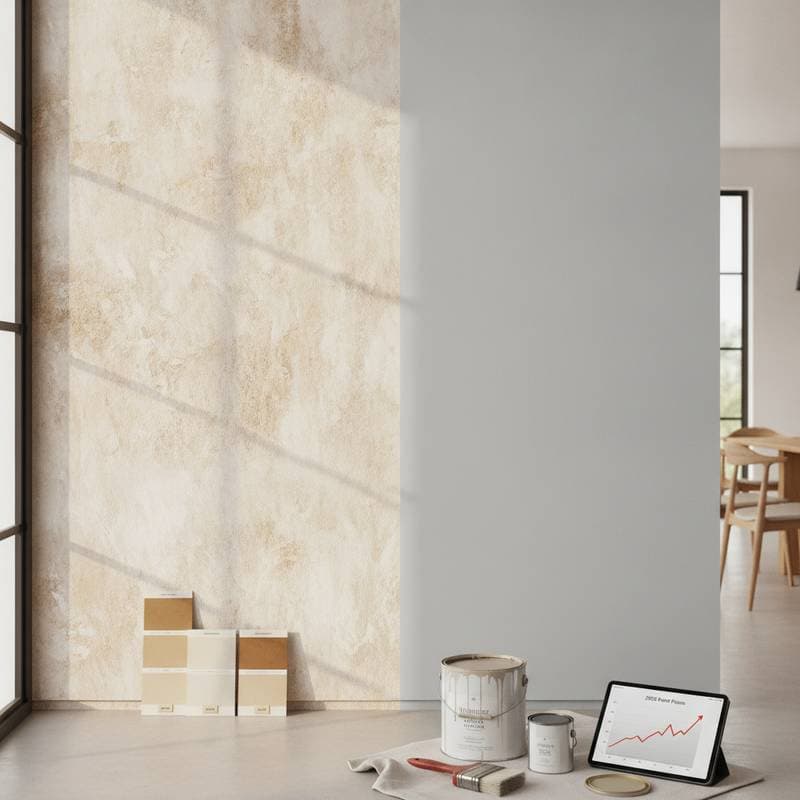
Assemble a mood board to preview terracotta integration with illumination, floors, and accents. Neutral warm whites, muted grays, and wood finishes temper the vibrancy of clay reds.
Weighing Professional Services Against DIY
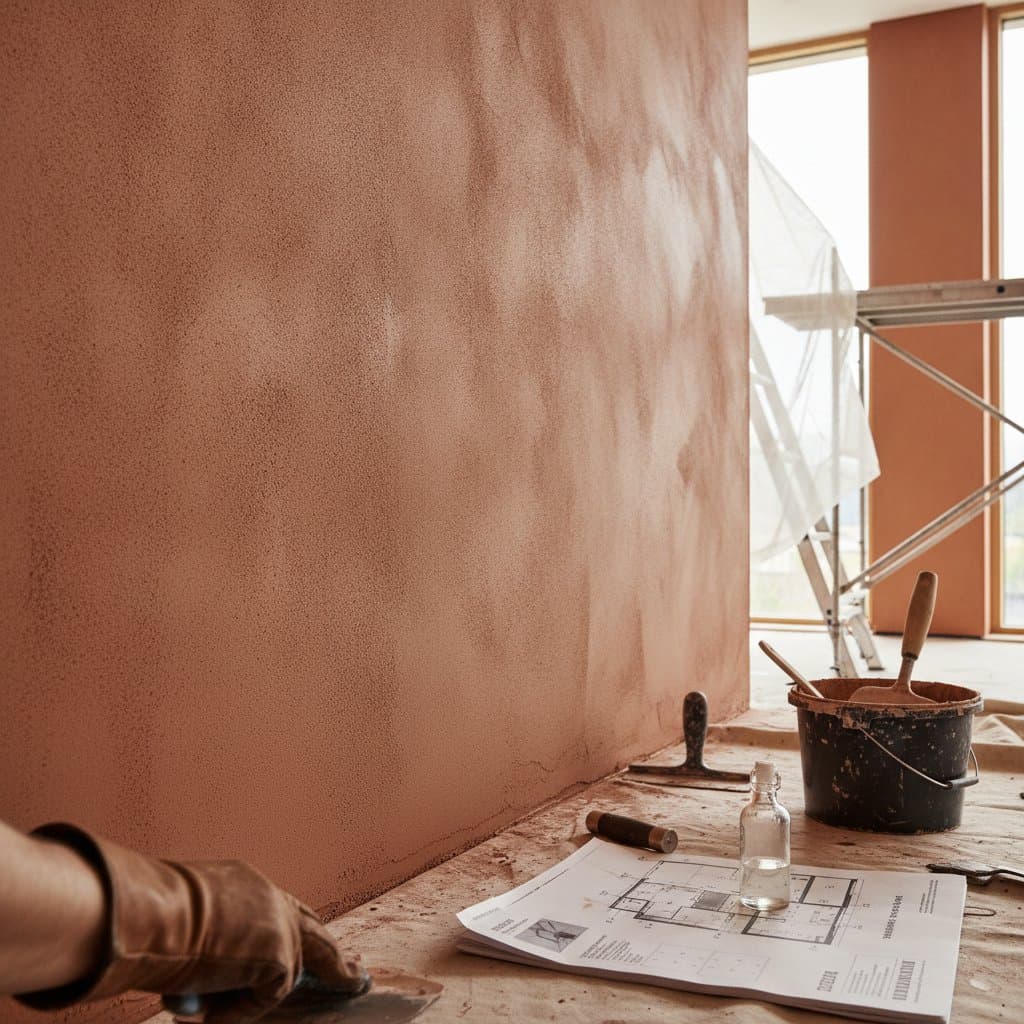
Skilled painters deliver exactness, efficiency, and enduring outcomes that DIY efforts rarely replicate. Experts excel in preparation and layering for vivid terracotta effects. DIY suits minor tasks, yet kitchens demand expertise for seamless paint distribution and transitions.
For those short on time or proficiency, professional involvement guarantees uniform quality and sustained vibrancy.
Achieving Lasting Kitchen Appeal
Terracotta transformations elevate kitchens into warm, inviting hubs that endure beyond trends. By selecting hues thoughtfully and budgeting wisely, homeowners secure spaces that nurture daily life while enhancing property worth. Consult local experts to tailor these updates to specific needs and environments.
Frequently Asked Questions
1. What is the typical cost to paint a kitchen in terracotta tones?
Most homeowners allocate between $1,800 and $3,200 for a medium-sized kitchen repaint. Final amounts hinge on preparation extent, paint grade, and task complexity.
2. What elements impact the expense of a terracotta kitchen update?
Primary influences encompass paint caliber, preparation requirements, finish variety, and local labor pricing. Incorporating cabinets and trim adds costs due to their precision demands.
3. How can one reduce expenses while ensuring quality results?
Perform initial preparation independently, select mid-grade paints with robust coverage, and emphasize accent walls over complete repaints. Arranging work in off-season periods often yields reduced labor fees.
4. Is it preferable to engage professionals or pursue DIY for this project?
Professionals produce flawless, durable finishes, particularly for sizable kitchens or cabinet work. DIY fits small-scale efforts or refreshes, though terracotta applications benefit from expert handling for consistency.
5. How should one prepare for unforeseen expenses in a kitchen repaint?
Incorporate a 10 to 15 percent surplus into estimates. This addresses potential issues like repairs, additional priming, or extra applications. Secure comprehensive quotes upfront.
6. When does scheduling a kitchen paint yield the best rates?
Opt for cooler months or low-demand seasons to access lower pricing and greater availability. Advance booking facilitates optimal timing and cost advantages.