Why Skipping Caulk Can Lead to Costly Paint Repairs
Homeowners often focus on selecting paint colors and finishes. They overlook one of the most critical steps in surface preparation. Caulking fills gaps and seams where two materials meet. This step determines whether a paint job lasts for years or fails within months.
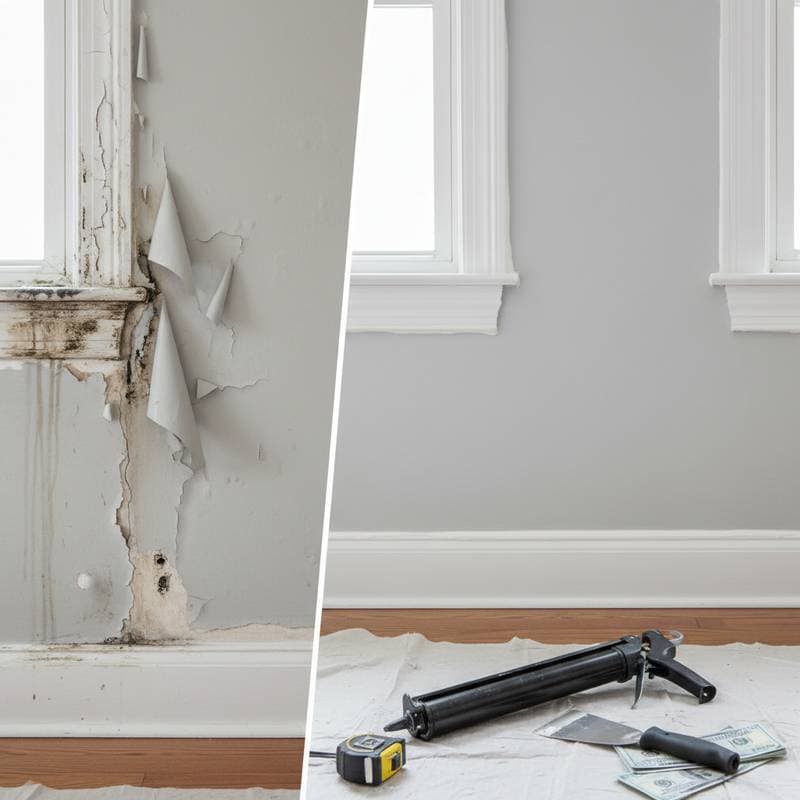
Ignoring caulk before painting allows water intrusion, cracking, and peeling. These issues lead to repairs that reach 800 dollars or more. Proper caulking protects surfaces from moisture and temperature shifts. It also ensures paint adheres evenly across the entire area.
The Role of Caulk in Surface Protection
Caulk creates a flexible barrier at joints and seams. These locations expand and contract with weather changes. Without this seal, paint films crack and permit water to seep behind them. Trapped moisture then lifts the paint, forming bubbles and flakes.
Exterior surfaces suffer wood rot and mildew when caulk is omitted. Interior gaps around trim and windows permit drafts and dust entry. Both situations generate repair costs far higher than the price of quality caulk and careful application.
Typical Repair Cost Ranges
Basic touch-up work after peeling paint ranges from 150 to 300 dollars. Moderate repainting required by water damage costs between 400 and 800 dollars. Full surface repair plus repainting can reach 800 to 1500 dollars.
These figures include removal of loose paint, surface cleaning, new caulk application, and fresh primer and finish coats. Additional expenses arise when damaged trim must be replaced or mold must be treated.
Steps for Effective Caulking
Begin with surfaces that are clean and completely dry. Remove old caulk residue and dust that would block adhesion. Apply a steady bead of paintable latex caulk along every seam and gap. Smooth the bead immediately with a dedicated tool or a damp fingertip.
Allow the caulk to cure for a full day before primer or paint is applied. Check the product label for humidity and temperature adjustments. Rushing this step traps moisture beneath the new paint film and causes early failure.
When to Hire Professional Help
Basic caulking around trim and windows suits a homeowner with steady hands. Larger areas such as siding joints or crown molding benefit from professional application. Experienced painters deliver uniform lines and spot hidden problem areas. The added labor cost prevents far larger expenses in future repairs.
Planning a Durable Paint Project
Schedule caulking early in the preparation phase. Select paintable latex or acrylic latex formulas for most interior and exterior work. Inspect existing caulk by pressing along each joint. Replace any material that has hardened, cracked, or pulled away from the surface.
Answers to Common Questions
Professional caulking adds 100 to 300 dollars to a painting project. This modest sum prevents expensive repainting later. Most paintable caulks require one full day to cure. Always verify the label for specific conditions.
Caulking remains necessary for interior work. Gaps between trim and walls produce visible cracks and uneven lines. Choose latex or acrylic latex caulk for painted surfaces. Reserve silicone caulk for areas that will not receive paint.