LRV: Choosing Paint Colors That Expand Your Living Spaces
Homeowners often select paint based on shade or finish alone. Light Reflectance Value, known as LRV, provides a measurable way to influence how a room feels. This number guides decisions that affect brightness, perceived size, and energy use.
Understanding LRV and Its Practical Impact
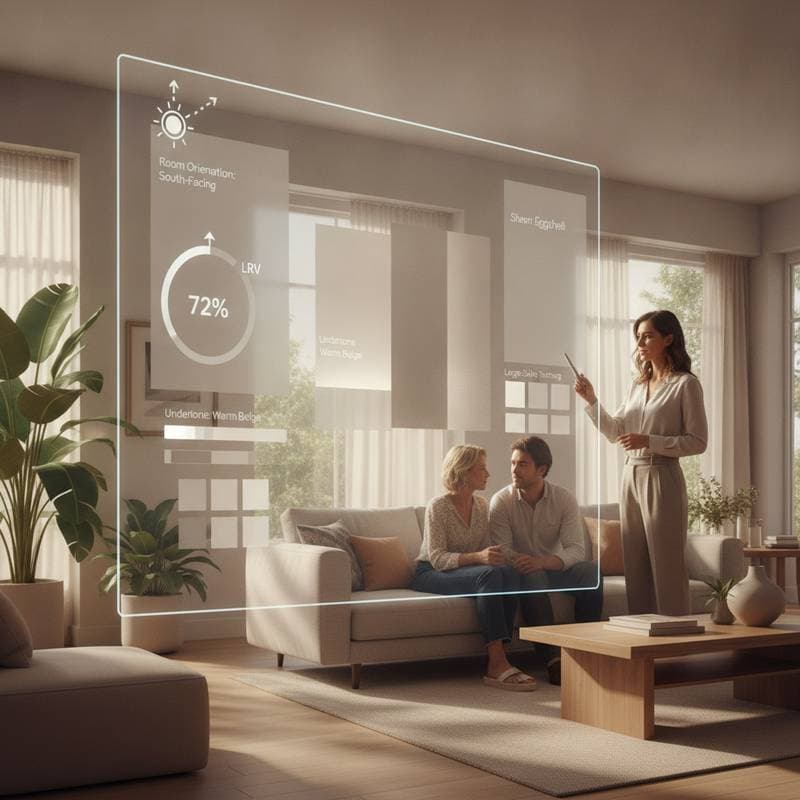
LRV quantifies the percentage of light a paint color reflects on a scale from 0 to 100. Pure black registers at 0 while pure white reaches 100. Most interior paints range between 10 and 80. Higher values bounce light across surfaces and make compact rooms appear more open. Lower values absorb light and create intimate, grounded atmospheres.
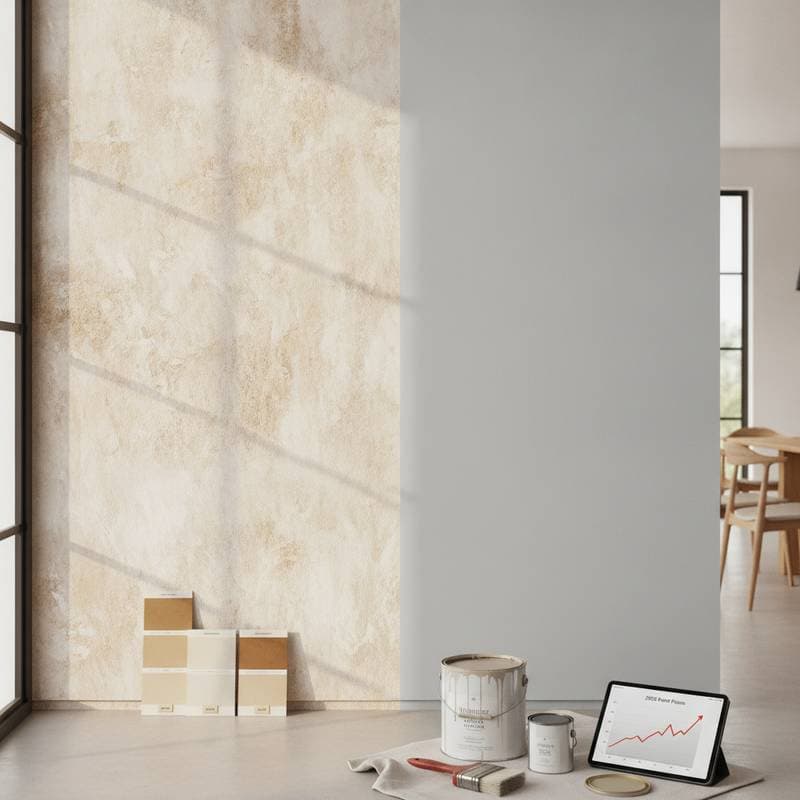
The same color can shift in appearance under morning sunlight versus evening lamps. Testing samples on site at different times of day reveals these changes before full application begins.
Current Relevance of LRV in Home Design
Modern paint formulas incorporate refined pigments that stabilize reflectance across varying light sources. Energy-conscious households now favor higher LRV options to cut daytime lighting needs. Tone-on-tone schemes also benefit from direct LRV comparisons that replace vague descriptions of light or dark.
Average Project Costs
Basic repaints for a single room typically range from 300 to 700 dollars. Full interior repaints fall between 2000 and 4000 dollars. Premium services that include color consultation and premium finishes reach 5000 to 9000 dollars.
Standard packages cover labor, surface prep, primer, and one or two coats of paint. Extra charges apply for specialty textures, multiple accent walls, or extensive drywall repairs. Larger rooms and lower-quality existing surfaces increase both material and labor expenses.
Applying LRV to Specific Design Decisions
Room Size and Window Placement
Small rooms with few windows gain openness from LRV values above 60. These colors reduce shadows and minimize the need for extra lamps. Larger spaces with abundant daylight accommodate values between 30 and 50 without appearing closed in.
Room Purpose and Desired Mood
Bedrooms often suit mid-range LRV values near 40 that promote restful warmth. Kitchens and living areas perform better with values above 55 that emphasize cleanliness and activity.
Paint Finish Effects
Gloss and semi-gloss finishes increase effective reflectance and slightly raise perceived LRV. Matte and eggshell finishes soften reflection and create a more diffused appearance. Strategic pairing of finishes on trim versus walls adds visual depth without changing base color.
Professional Application Versus DIY Results
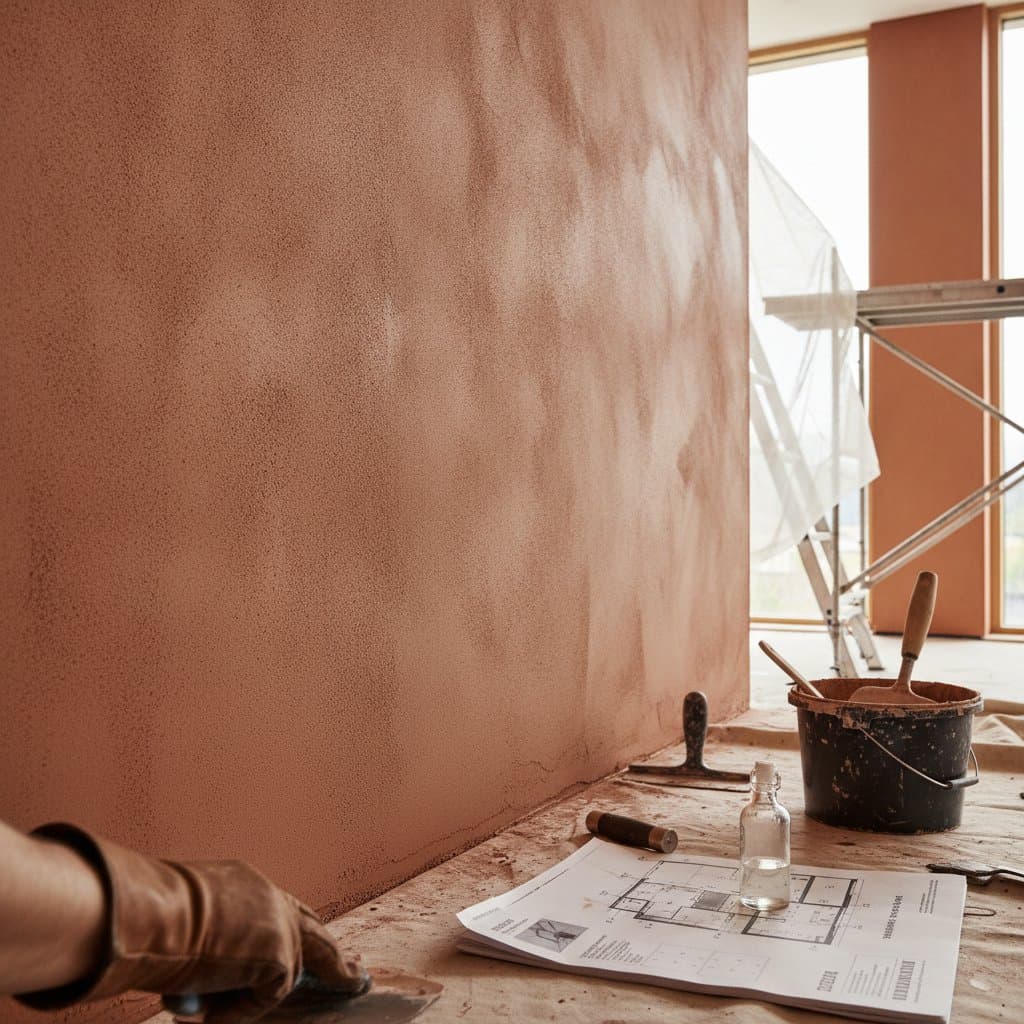
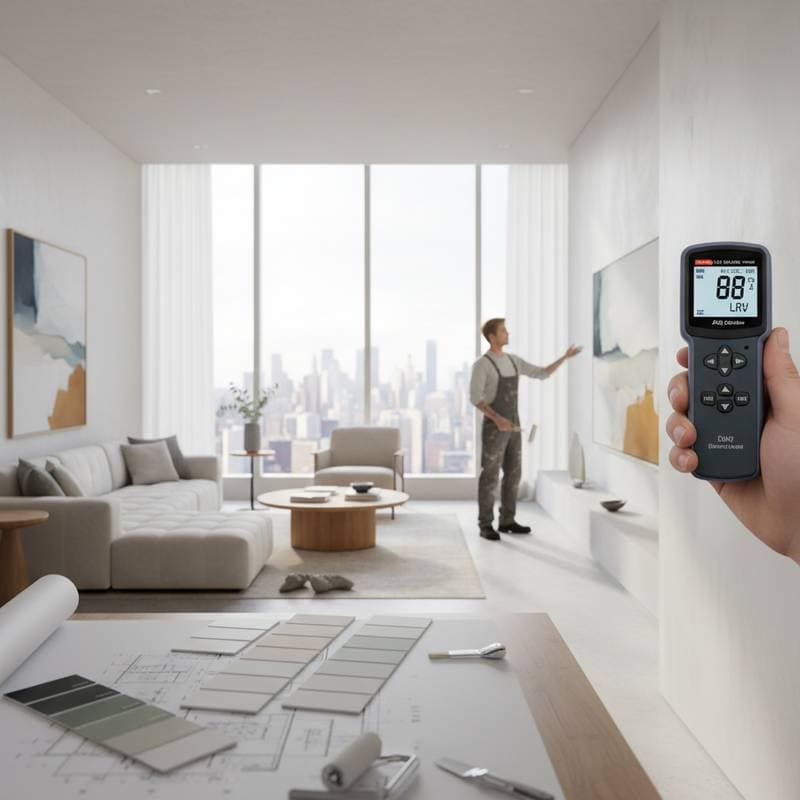
Consistent LRV outcomes depend on even primer coverage and controlled lighting during selection. Professionals use calibrated tools and multiple test patches to verify performance. Homeowners who skip these steps frequently encounter uneven reflectance or mismatched tones after the paint dries.
For full interiors, professional crews deliver uniform results and recommend product lines with documented LRV stability. Small touch-up projects remain suitable for experienced DIY painters.
Selecting and Working With a Painting Contractor
Request evidence of LRV testing procedures and sample boards prepared under the home actual lighting. Confirm that estimates detail surface preparation, primer type, coat counts, and cleanup. Reputable contractors also disclose the specific paint brands and their reflectance ratings.
Preparing for a Successful LRV-Based Project
Begin by listing the intended mood for each room and matching it to target LRV ranges. Collect physical samples and observe them throughout a full day. Schedule work during seasons when natural light patterns are most representative. Clean and smooth all surfaces before application to maintain consistent reflectance across every wall.
Next Steps for Brighter Interiors
Measure current room lighting, select three LRV options within the desired range, and apply test patches. Compare results at morning, midday, and evening to confirm the final choice supports both function and comfort year-round.