Why Terracotta and Burnt Sienna Dominate 2026 Home Interiors
Warm, earthy tones like terracotta and burnt sienna have emerged as central elements in home interior design. These colors introduce immediate comfort and depth to any room. For those seeking a blend of coziness and modernity, these shades provide an ideal foundation, whether applied to an entire living area or incorporated through subtle accents. They integrate seamlessly across different budgets and aesthetic preferences.
The Emergence of Warm Earth Tones
Contemporary design trends emphasize authenticity and palettes inspired by nature. Terracotta and burnt sienna convey a sense of grounding, sincerity, and invitation, evoking associations with clay, leather, and sun-warmed stone. In professional settings such as television production, these colors perform exceptionally under camera lights, absorbing and reflecting illumination to create a radiant glow on walls and highlight furnishings. This visual quality transfers effortlessly to residential spaces, enhancing their appeal with similar effectiveness.
Homeowners increasingly desire environments that appear lived-in rather than artificially staged. Terracotta and burnt sienna achieve this balance by delivering genuine warmth alongside polished refinement. They complement a wide array of hues, including soft creams and rich emeralds, and adapt to styles ranging from rustic to modern or coastal.
The Appeal of These Versatile Hues
Terracotta and burnt sienna share a red-orange foundation that infuses energy without overwhelming intensity. These tones encourage social interaction, enhance the appearance of meals, and complement various skin complexities, which explains their popularity in restaurants and hospitality venues. In domestic settings, they replicate this hospitable atmosphere, fostering a sense of ease and engagement.
These colors interact dynamically with different lighting conditions. During daylight hours, they appear vibrant and sunlit, while under ambient illumination, they adopt a more introspective and opulent character. In compact rooms, opt for a paler terracotta variant to expand the perceived space; in expansive areas, employ deeper burnt sienna to introduce dimension and intrigue.
Incorporating These Colors on a Budget
Effective design accommodates all financial levels, and terracotta with burnt sienna exemplify this principle. Begin with modest changes or commit to comprehensive updates, depending on resources.
Affordable Options:
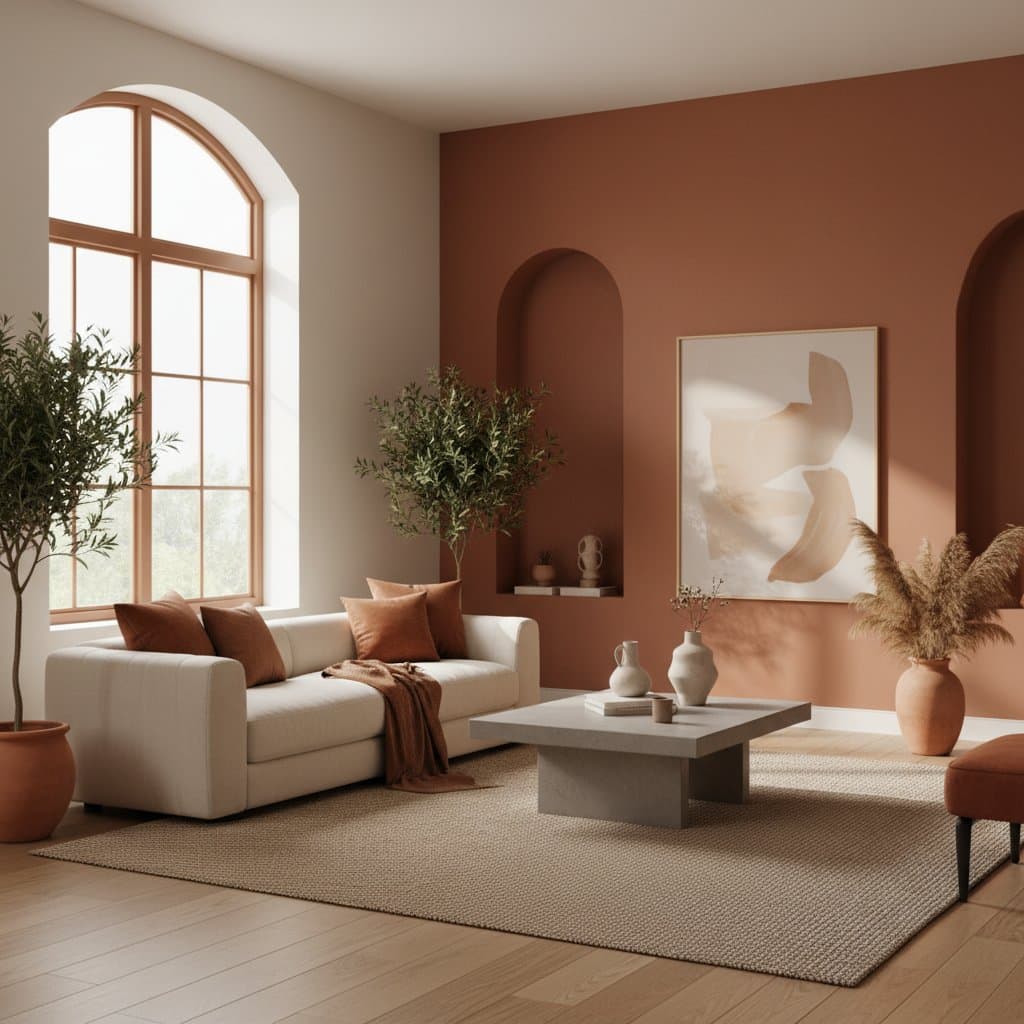
- Apply terracotta to a single accent wall to establish a focal point in the room.
- Introduce burnt sienna through accessories such as cushions, ceramic pieces, or an inexpensive area rug.
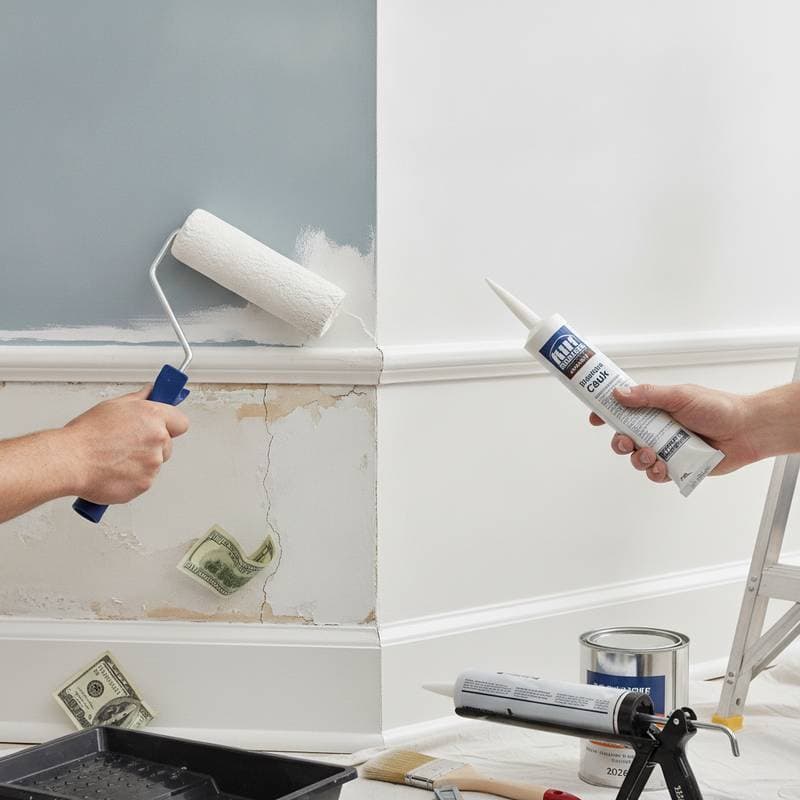
- Utilize peel-and-stick wallpaper or temporary fabric panels for updates suitable for renters.
Moderate Investments:
- Restore a vintage dresser using chalk-based paint in a sienna shade for renewed character.
- Refresh kitchen backsplashes with terracotta-inspired adhesive tiles that install without tools.
- Coat interior doors or trim elements to deliver a understated yet impactful transformation.
Premium Choices:
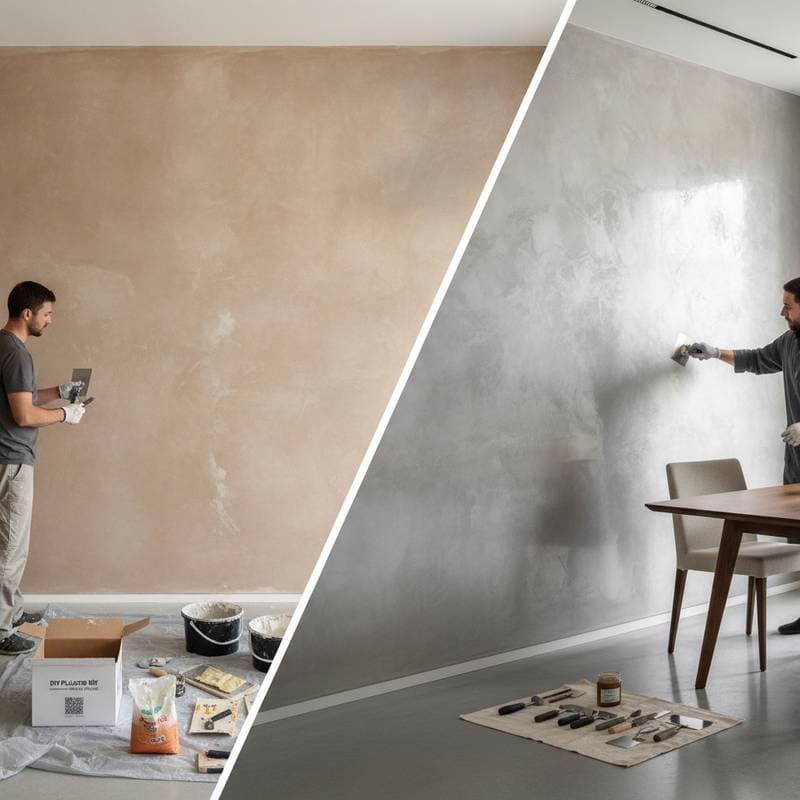
- Apply authentic clay plaster or genuine terracotta flooring for textured authenticity.
- Design bespoke cabinetry or a statement wall finished in matte burnt sienna lacquer.
- Combine with hardware in brass or brushed copper to elevate the overall luxury.
Success at any level hinges on repetition: incorporate the chosen tone in at least three elements per room to achieve cohesion.
Complementary Materials and Finishes
Terracotta and burnt sienna pair exceptionally with textured materials that emphasize their organic essence. Consider pairings with unfinished wood, linen fabrics, woven rattan, and subdued metallic accents. These colors excel in natural daylight yet maintain presence under warm-toned LED sources. In production environments, flat or eggshell sheens provide optimal depth without excessive glare, a principle that applies equally to home applications.
Select paint by testing samples in multiple locations, such as corners, window proximity, and evening-lit areas. Observe the subtle shifts in appearance throughout the day. This variability contributes to the enduring allure of terracotta, which evolves gently with changing light.
Professional Pairing Strategies
Achieve equilibrium in your color scheme with these tested combinations:
- Warm Neutrals: Ivory, sand, or muted beige for serene elegance.
- Dramatic Contrasts: Navy or charcoal to heighten visual interest.
- Natural Greens: Olive or sage to accentuate underlying clay notes.
- Subtle Pinks: Blush tones for a soft, intimate atmosphere.
For trim details, choose creamy off-whites or light taupes to sustain the palette's warmth. Steer clear of stark whites, which may clash with the richness of these earthy shades.
Translating Professional Insights to Everyday Spaces
Experience with production lighting underscores the importance of color temperature in design. Terracotta and burnt sienna excel in such contexts due to their inherent layering, resisting fading under scrutiny. In homes, this translates to inherently camera-ready rooms that reveal textures, accentuate structural elements, and elevate standard furnishings to bespoke status.
For swift enhancements, paint the wall behind a sofa or bedhead in terracotta, then add a matching planter or sienna-hued textile. Such adjustments invigorate the space with minimal effort.
Practical Advantages for Design and Business
From a product development standpoint, these colors offer broad applicability across fabrics, surfaces, and decor items. For those curating home collections or branding initiatives, terracotta and burnt sienna provide enduring relevance that feels current yet reliable. Their capacity to mask everyday scuffs renders them suitable for frequently used zones.
Contractors and designers benefit from their photogenic qualities, which streamline portfolio presentation. Projects featuring these tones appear complete and approachable, enhancing professional appeal and client approval without elaborate staging.
Sustaining Timeless Appeal in Your Home
The longevity of terracotta and burnt sienna stems from their flexibility. Refresh the aesthetic seasonally by swapping accents: introduce fresh white textiles for warmer months, then incorporate woolen layers and golden candlelight for cooler periods.
Ultimately, rooms enriched with these tones envelop occupants in a comforting embrace. This sensation captures the essence of superior design, creating environments that deliver daily solace, inspiration, and a profound sense of belonging. Embrace these colors for transformations that promise enduring warmth and inventive harmony.