Why Biophilic Colors Accelerate Home Sales in 2026
Homebuyers seek spaces that foster calm and connection. Biophilic colors, drawn from natural elements, meet this demand by infusing interiors and exteriors with serenity and vitality. These hues not only enhance visual appeal but also drive faster sales through emotional resonance and timeless design. Professional painters and stagers leverage them to create environments that stand out in competitive markets.
Defining Biophilic Colors
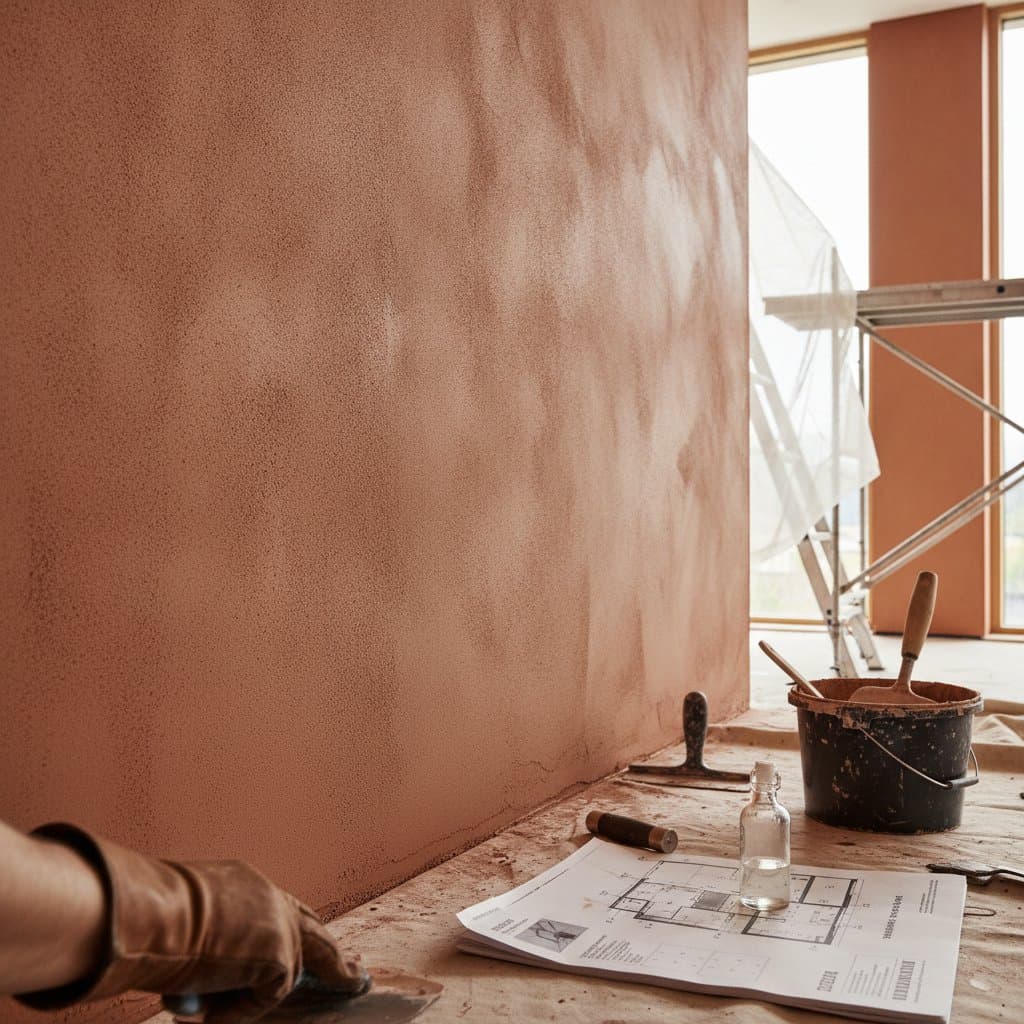
Biophilic design integrates nature into built environments via color, texture, and form. Biophilic colors mimic elements such as forest greens, ocean blues, terracotta earth tones, and stone-inspired neutrals. These shades evoke vitality and tranquility, making spaces feel expansive and restorative.
The appeal lies in their psychological impact. Buyers enter rooms painted in these tones and experience an instinctive sense of harmony. This response stems from evolutionary preferences for natural surroundings, which modern homes can replicate through strategic color choices.
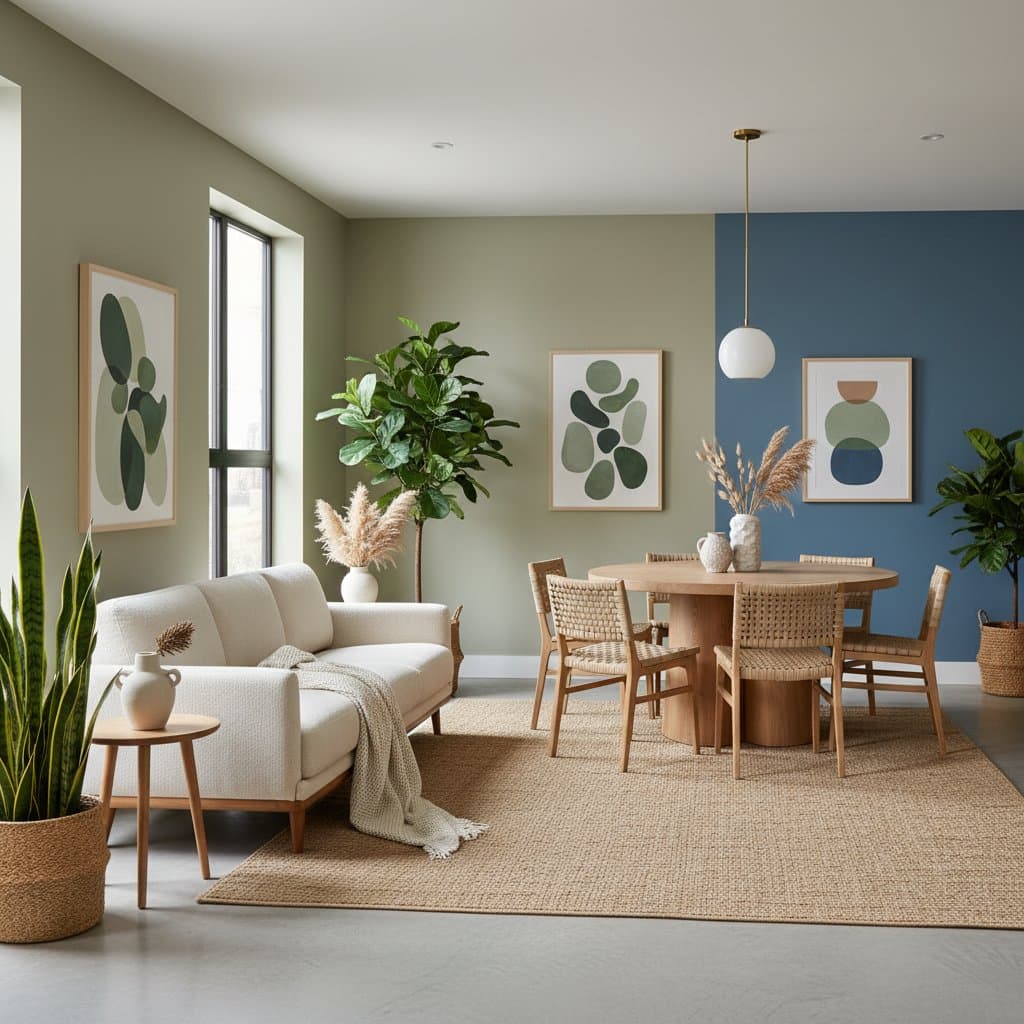
In practice, professionals apply these colors in staging. For instance, a muted sage accent wall absorbs light softly, enhancing photography for listings. Such applications yield immediate visual interest without overwhelming the space.
Psychological Benefits of Natural Hues
Research in environmental psychology supports the efficacy of biophilic colors. Green tones reduce cortisol levels, promoting relaxation in high-traffic areas like kitchens. Blues foster a sense of depth and reliability, suiting serene zones such as bedrooms.
Earthy neutrals provide grounding warmth, ideal for communal living areas. When layered thoughtfully, these colors broaden appeal across demographics, from young professionals to families. The result is heightened buyer engagement and reduced time on market.
Consider this structured overview of color effects:
- Greens: Convey growth and freshness; apply in entryways or home offices to energize arrivals.
- Blues: Promote peace and focus; select for bathrooms or studies to encourage lingering.
- Earth tones: Offer stability and coziness; use on living room walls or exterior trim for inviting exteriors.
- Neutrals: Provide versatility; pair with accents to unify diverse room functions.
This palette ensures emotional alignment, turning viewings into offers.
Implementing Biophilic Colors on a Budget
Accessibility defines effective design. Start with low-cost updates to introduce natural hues without major overhauls. A single gallon of low-VOC paint in a sage green covers 350 square feet, transforming a dated room affordably.
Incorporate textiles for texture: linen curtains in soft taupe or cotton throws in seafoam add depth. Introduce live elements like fiddle-leaf figs or woven seagrass mats to amplify the organic feel.
For moderate investments, refinish existing surfaces. Apply a wash of diluted ochre on wood cabinets for subtle warmth. Swap brass knobs for oil-rubbed bronze pulls, which complement earthy palettes seamlessly.
Higher budgets allow foundational changes. Install bamboo flooring for resilient, natural undertones. Repaint exteriors in a greige with blue undertones to harmonize with landscaping. Opt for quartz counters veined like marble to echo stone motifs.
Each level scales impact while preserving the core biophilic principle of natural integration.
Insights from Set Design and Staging
Television production demands colors that perform under varied lighting. Biophilic tones excel here, diffusing harsh beams and maintaining clarity in footage. Directors favor olive drab for backdrops, as it frames subjects without distraction.
Apply these lessons to real estate. In listing preparations, select a powder blue for a focal wall in open living areas. This choice captures light dynamically in photos, drawing viewer attention amid online listings.
Stagers note that such walls create perceived depth, making compact spaces appear larger. The technique boosts click-through rates on platforms, leading to more in-person visits and quicker closings.
Business Advantages for Professionals
Painting contractors gain a competitive edge by specializing in biophilic consultations. Clients value guidance on palettes that align with wellness trends, such as those promoted by the Wellness Institute. This expertise positions firms as leaders in sustainable design.
Branding benefits emerge too. Portfolios featuring serene, nature-derived schemes convey dependability. Professionals who integrate these colors in proposals demonstrate foresight, appealing to eco-conscious clients.
In operations, these hues streamline workflows. They pair universally with furnishings, minimizing custom mixes. Suppliers report steady demand for shades like Benjamin Moore's October Mist, facilitating efficient inventory management.
Practical Testing and Upkeep Strategies
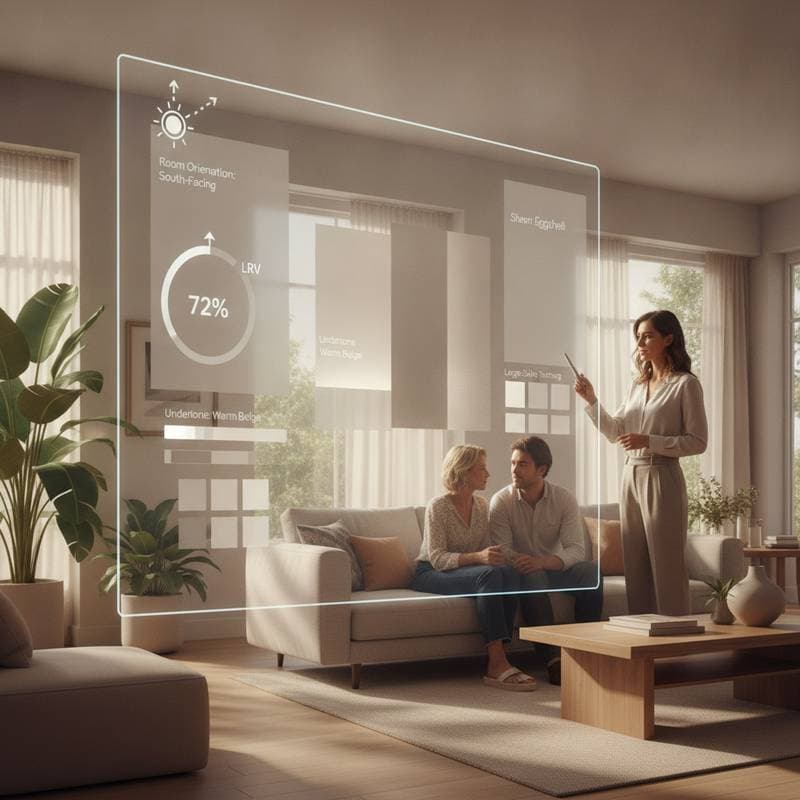
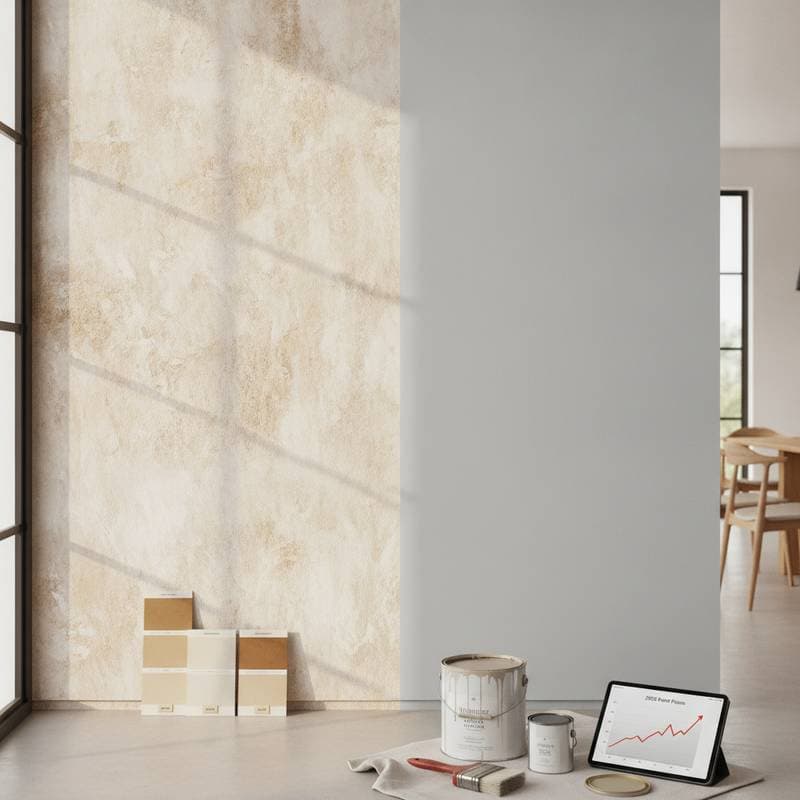
Selection requires observation. Apply sample swatches to walls and monitor them from dawn to dusk. Morning sun may warm a cool gray, revealing hidden undertones essential for harmony.
For exteriors, prioritize weather-resistant formulas with UV inhibitors. Satin sheens preserve vibrancy while allowing gentle cleaning. Interiors benefit from eggshell finishes, which mask scuffs common in high-use areas.
Upkeep remains straightforward. Biophilic colors patina elegantly, mimicking natural aging. For repairs, feather edges with a blending brush to integrate fresh paint invisibly.
Enhancing Daily Life Through Biophilic Design
Residents adapt quickly to these environments. Sunlit greens invigorate mornings, while dusk blues soothe evenings. This rhythm supports mental well-being, making homes true sanctuaries.
Sellers capitalize on this durability. Timeless palettes resist trends, allowing seasonal accessory swaps without repainting. Buyers perceive longevity, justifying premium pricing in negotiations.
Key Strategies for Optimal Application
Align exterior choices with local landscapes. Forest-adjacent homes suit evergreen shades, while coastal properties favor aquamarine accents.
Maintain undertone consistency across interiors for seamless transitions. A unifying warm beige base prevents jarring shifts between rooms.
Counterbalance tones for equilibrium: pair cool eucalyptus walls with teak shelves. Light ceiling paints, such as linen white, enhance vertical space.
In multifunctional areas, vary saturation gradually. A deeper moss in the dining nook flows into lighter fern in the lounge, guiding natural progression.
Biophilic colors embody enduring wellness principles. They elevate homes for immediate sales and sustained living, bridging aesthetics with human needs.