Terracotta Ceilings: The Leading Statement Trend for 2026
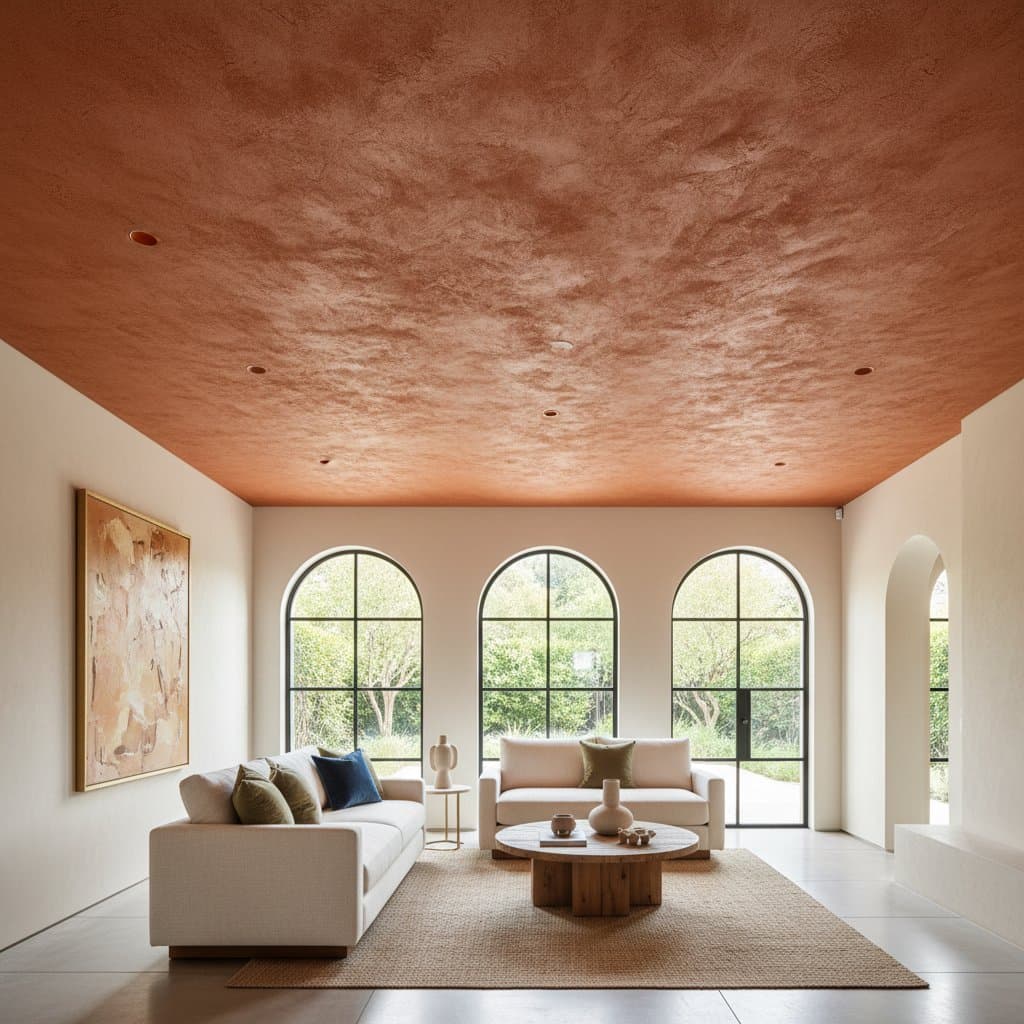
Color trends evolve with the seasons, yet certain hues achieve lasting resonance through their blend of warmth and elegance. Terracotta stands out in this regard. Its subtle orange-brown tone, inspired by ancient pottery and natural earth, transitions seamlessly into contemporary interiors. Designers and homeowners increasingly select terracotta for ceilings, creating bold accents that foster comfort and visual interest.
This trend aligns with broader preferences for organic elements and serene atmospheres. A terracotta ceiling introduces dimension and artisanal quality, harmonizing with diverse architectural contexts from urban apartments to rural homes.
The Unique Appeal of Terracotta
Terracotta strikes an ideal equilibrium between natural simplicity and luxurious depth. Applied to ceilings, it invites gazes upward, providing a textured backdrop that surpasses the neutrality of standard white finishes. The color adapts effortlessly to settings ranging from sleek modern lofts to rustic farmhouses, establishing its position as a highly adaptable option for 2026.
Professionals appreciate how terracotta softens stark environments and integrates with organic materials such as oak flooring, marble countertops, and linen upholstery. In a time when personalized, sensory-rich spaces dominate preferences, terracotta provides an inviting foundation that enhances emotional connection to the home.
Ceilings as the Emerging Canvas for Bold Statements
Traditionally, walls serve as primary surfaces for chromatic exploration, but ceilings now claim prominence as the overlooked fifth wall. A terracotta ceiling redirects focus skyward, enveloping rooms in a subtle embrace that promotes coziness and scale. This technique proves particularly effective in areas bathed in natural light or featuring structural elements like exposed beams and curved vaults.
Terracotta aligns with shifting design paradigms. It infuses minimalistic layouts with subtle richness, while refreshing classic interiors with contemporary flair. Within expansive, open-concept dwellings, such a ceiling delineates functional areas without imposing dividers, maintaining fluidity.
Styling Terracotta Ceilings for Maximum Impact
To leverage terracotta ceilings effectively, consider complementary elements that amplify its inherent qualities.
- Select neutral wall tones in soft beige, warm ivory, or light slate to accentuate the ceiling's vibrancy without overwhelming the palette.
- Incorporate organic textures through sisal area rugs, cotton drapery, and teak accents, forging a unified, nature-inspired aesthetic.
- Introduce subtle metallics via copper hardware or silver-leaf artwork to elevate the overall refinement.
- Apply the color in connective areas such as corridors or foyers, ensuring seamless transitions across living zones.
These combinations yield balanced, layered interiors that feel both timeless and current.
Detailed Project Cost Breakdown
Typical Cost Ranges
Implementing a terracotta ceiling extends beyond color selection; expenses encompass thorough preparation, durable materials, and expert execution.
- Basic applications: $300 to $600 for compact areas like bathrooms or passages.
- Standard installations: $600 to $1,200 for average living rooms or bedrooms.
- Advanced projects: $1,200 to $2,500 for expansive great rooms or intricate surface treatments.
Core Components of the Quote
- Skilled labor for cleaning, repairing, and applying coats.
- Premium terracotta formulations and compatible primers.
- Safeguards including plastic sheeting for surfaces and furnishings.
- Post-work restoration and minor adjustments.
Additional Expenses
- Structural fixes or leveling uneven areas.
- Custom effects such as velvet-smooth plasters or eco-friendly washes.
- Ornamental trims demanding precise edging.
Influences on Total Expenditure
| Factor | Impact on Cost | Specific Instances |
|---|---|---|
| Ceiling Elevation | Prolongs labor hours | Cathedral designs or tall lobbies |
| Material Grade | Elevates supply prices | Eco-certified or artisanal brands |
| Existing Substrate | Demands extra remediation | Fissures, discoloration, or rough stucco |
| Technique Intricacy | Extends finishing time | Simulated patinas, multi-layer applications, or embossed overlays |
Understanding these variables aids in budgeting accurately.
Realistic Timeline for Completion
Expert teams generally finish ceiling transformations in one to three days, scaled to the scope and details involved. Initial phases cover thorough washing, mending imperfections, abrading rough spots, and base coating. The painting process requires at least two layers for optimal vibrancy and coverage.
Environmental factors like moisture levels and airflow influence drying intervals, though rooms typically resume normal use within hours of the final coat. Amateurs attempting the task often face prolonged durations from assembling equipment, achieving uniform results, and managing aftermath, especially on elevated or detailed surfaces that necessitate safe access tools.
Weighing Professional Services Against DIY Efforts
Ceiling work introduces distinct hurdles, including drippage from overhead application and distortions from inconsistent illumination.
Opt for professionals in these scenarios:
- When heights surpass eight feet, demanding secure scaffolding.
- For flawless, bespoke outcomes requiring specialized tools.
- If prior issues like water damage or irregular patterns require attention.
- Involving layered hues or advanced varnishes.
DIY suits simpler cases:
- Compact, unblemished surfaces in reachable spaces.
- With access to angled brushes, telescoping handles, and protective tarps.
- For individuals experienced in prolonged, elevated labor.
While self-directed projects cut personnel fees, errors frequently result in patchy pigmentation or tool imprints, necessitating rework. Experts deliver uniform adhesion, crisp borders, and enduring durability, justifying the investment for superior longevity.
Selecting a Qualified Painting Specialist
Achieving the full potential of a terracotta ceiling hinges on precise tint formulation, flawless spreading, and illumination-aware adjustments. Identifying a dependable provider ensures alignment with aesthetic goals.
Steps for Informed Selection
- Seek recommendations from trusted sources or explore certified directories for established firms.
- Confirm credentials including state licensing and liability coverage for risk mitigation.
- Obtain itemized estimates detailing workforce, supplies, and preparatory measures.
- Demand color swatches or trial patches evaluated in ambient light.
- Examine portfolios of prior installations to assess reliability and aesthetic execution.
Formal agreements must specify schedules, sanitation duties, and guarantees. Open dialogue regarding desired outcomes fosters a collaborative process leading to precise realization.
Essential Preparation Steps Before Painting Begins
Smooth project execution starts with homeowner readiness, minimizing disruptions and optimizing conditions.
Clear personal items from the area to grant unobstructed access. Shift or cover valuables with durable sheets to shield against dust and splatters. Ensure pathways remain free for equipment transport and verify utility availability, such as power sources for tools and fans.
Coordinate on airflow strategies to expedite drying, and designate storage spots for materials outside the work zone. Final walkthroughs with the team confirm surface readiness and address any overlooked concerns, setting the stage for efficient progress.
Strategic Planning for Your Terracotta Ceiling Project
Effective planning transforms a vision into a feasible endeavor, avoiding common pitfalls.
Assess room dimensions and lighting to select an appropriate terracotta variant, consulting swatches at various times of day. Develop a mood board integrating proposed furnishings and accents for holistic visualization. Secure multiple bids from vetted contractors, comparing not just prices but also timelines and inclusions.
Schedule around seasonal factors like optimal weather for ventilation, and allocate buffer time for unforeseen adjustments. Track progress through defined milestones, from initial consultation to final inspection, ensuring accountability and satisfaction.
Common Questions About Terracotta Ceiling Projects
How much does painting a terracotta ceiling cost?
Typical expenditures range from $600 to $1,200 for a conventional room. Variations arise from elevation, formulation standards, and substrate quality. Elaborate treatments or eco-variants may elevate figures accordingly.
How long does the project require?
Skilled operators conclude operations in one to three days. Durations fluctuate with scale, atmospheric conditions, and finish sophistication.
Is DIY painting advisable, or should professionals handle it?
Self-application fits minor, straightforward ceilings, yet experts excel in delivering pristine finishes and streamlined processes. They manage remediation, base layers, and restoration with proficiency.
How can one select the ideal terracotta tone?
Sample multiple options across lighting scenarios. Variants range from vibrant citrus undertones to subdued clay shades. Specialists assist in fine-tuning via base coats or custom blends.
What preparations are needed prior to the team's arrival?
Evacuate the space, safeguard possessions, and ensure electrical and lighting accessibility. Review airflow plans and material placement to facilitate operations.
Does a terracotta ceiling diminish room spaciousness?
Generally, no; in illuminated settings, it imparts coziness without constriction. Pairing with pale surrounds and glossy elements maintains openness while adding substance.
Elevating Your Home with Terracotta Ceilings
Embracing a terracotta ceiling invites enduring warmth and character into daily living. This trend not only captivates visually but also fosters serene, personalized sanctuaries. By following these insights, homeowners achieve professional-grade results that enhance property value and comfort for years ahead.