The Hidden $300 Cost of Skipping Caulk Before Painting
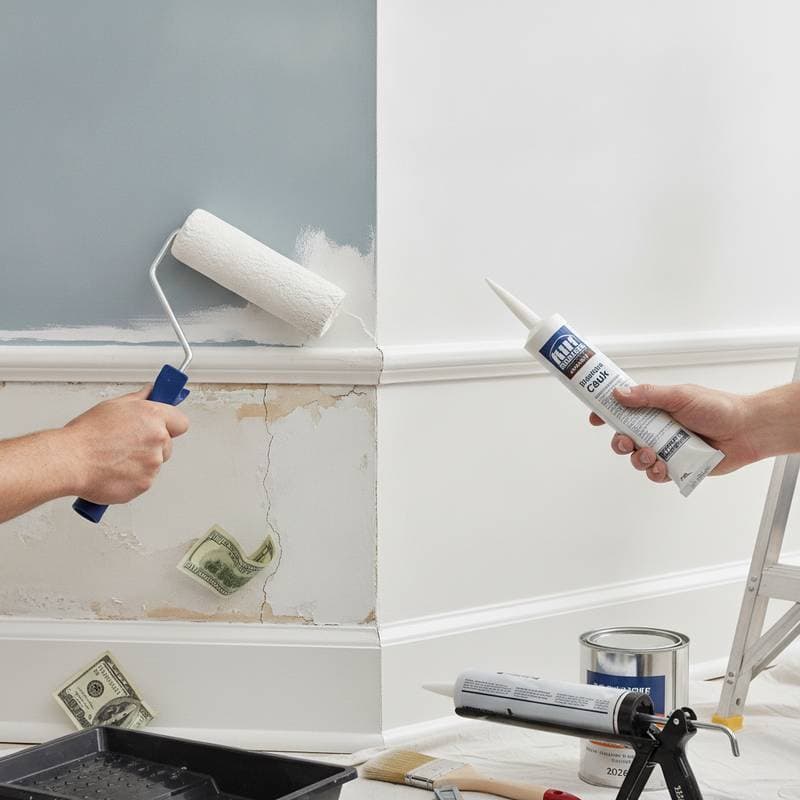
A new layer of paint refreshes any home, yet its enduring appeal hinges on thorough preparation beneath the surface. Proper caulking ranks among the most frequently neglected steps in this process. Homeowners often dismiss it as merely decorative, but neglecting it invites peeling paint, widening cracks, moisture penetration, and substantial repair expenses down the line. That overlooked gap today transforms into a $300 dilemma tomorrow. Grasping the importance of caulking, its influence on overall expenses, and the value of professional input equips homeowners to safeguard their investment and achieve enduring outcomes.
Why Caulking Proves Essential Before Painting
Caulking fills joints and gaps where surfaces converge, such as trim against walls, window perimeters, or siding edges. It serves aesthetic and protective roles. Absent a secure seal, paint fails to bond uniformly, and moisture infiltrates fissures, undermining the underlying material. This infiltration eventually triggers bubbling, cracking, or mildew proliferation that destroys the finish and necessitates premature repainting.
Applied with precision, caulk creates fluid transitions between materials, conceals flaws, and bars water, dust, and pests. Paint then establishes a uniform barrier that endures longer and appears pristine. Omitting this measure exposes paint to risks, particularly in regions prone to humidity, precipitation, or temperature swings.
Project Cost Breakdown
Average Cost Ranges
- Basic project: $300 - $600
- Standard project: $600 - $1,200
- Premium project: $1,200 - $2,500
These estimates cover full paint repair or repainting expenses stemming from unsealed surfaces. The $300 benchmark reflects the typical price for remedying initial paint degradation due to poor sealing.
What's Included
- Thorough inspection and surface readying
- Stripping of flaking or deteriorated paint
- Primer and caulk application
- Repainting of compromised zones
- Site cleanup and material disposal
What Costs Extra
- Rotted wood or trim replacement ($100 - $300 per segment)
- Mold removal or mildew mitigation ($50 - $150 per zone)
- Shift to high-end paint or advanced caulk ($50 - $200)
Factors That Affect Final Cost
| Factor | Cost Impact | Examples |
|---|---|---|
| Surface condition | Elevates repair expenses | Fissured or unsealed joints needing filler |
| Moisture damage | Boosts material and labor fees | Mildew, decay, or delaminating paint |
| Material type | Influences caulk selection and durability | Wood versus vinyl substrates |
| Paint quality | Alters overall budget | Superior formulas endure but demand higher investment |
| Labor rate | Differs by location | Metropolitan zones typically impose premium charges |
The Real Impact of Skipping Caulk
Homeowners frequently bypass caulking to expedite timelines or trim initial outlays, presuming paint suffices as a sealant. Paint, however, cannot span gaps reliably. Unsealed joints shift with thermal variations, forming fissures that permit water to infiltrate behind the paint layer.
Even minimal trapped moisture provokes blistering or mildew emergence within months. Repairs extend beyond superficial fixes. Professionals scrape loose sections, abrade uneven areas, reprime, recaulk, and recoat. Labor accumulates rapidly, escalating a $20 caulk tube expense to a $300 invoice.
Past financial implications, neglecting caulking shortens the paint job's viability. A well-sealed and coated surface persists years beyond an unsealed counterpart. This extension reduces repainting frequency, minimizes upkeep expenditures, and fortifies the home's framework.
Common Areas Where Caulking Proves Critical
Specific home zones endure greater motion or exposure, rendering caulking vital for resilience.
- Trim and molding: Fissures develop at wall or ceiling junctions. Caulk averts noticeable splits and shadow effects.
- Windows and doors: Unsealed edges admit drafts and dampness, precipitating frame-adjacent paint breakdown.
- Baseboards: Floor-proximate crevices accumulate debris and humidity, discoloring paint and impairing grip.
- Siding joints: Exterior panels fluctuate, with caulk accommodating motion while repelling water.
- Bathrooms and kitchens: Elevated moisture demands pliant, antifungal caulk to shield coated areas.
Strong seals in these locales bolster the paint layer and elevate visual quality.
Factors That Influence Caulk and Paint Performance
Caulk varieties differ in efficacy. Latex suits indoor trim, whereas silicone or polyurethane excels in outdoor settings. Flexibility remains paramount. As substrates like wood or siding respond to climate, caulk must elongate without fracturing. Inferior or mismatched options degrade swiftly, inviting the repairs they aimed to forestall.
Paint compatibility with caulk matters equally. Subpar or incongruent paints resist bonding, lifting at seal margins. Experts select pairings for sustained adherence, a nuance DIY efforts often miss.
Timeline Expectations
Incorporating caulking extends the project modestly yet amplifies result longevity.
- Preparation and cleaning: 1-2 days for surface washing, scraping, and smoothing.
- Caulking and priming: 1 day to seal joints and coat with primer.
- Painting: 1-3 days based on area size and cure times.
- Curing and inspection: 1-2 days prior to reinstalling furnishings or fixtures.
Bypassing caulking accelerates the outset but heightens prospects for subsequent interruptions from corrections.
Professional vs. DIY Guidance
When DIY Works
Modest indoor tasks with few gaps suit homeowner execution. Caulking baseboards or window edges demands care and suitable implements. Precise application and tidy execution yield lines that integrate seamlessly with paint.
When to Hire a Professional
Outdoor work, expansive areas, or compromised substrates warrant expert involvement. Specialists choose optimal caulk, apply it uniformly, and verify adhesion pre-painting. They detect concealed issues like yielding timber or minute fractures prone to worsening.
Professionals offer warranties, rectifying caulk or paint lapses at no extra charge. This assurance justifies upfront fees.
Selecting and Working With Professionals
Research and Verification
For painters or tradespeople, verify credentials, coverage, and endorsements. Inquire about preparation protocols. Reputable experts highlight caulking and priming as core preliminaries.
Comparing Quotes
Secure three bids for equivalent work. Discounts omitting prep yield substandard results and deferred costs. Seek itemized proposals detailing supplies, caulk specifications, and readying techniques.
Communication and Oversight
Upon commencement, verify caulking precedes painting. Solicit status reports and examine seals pre-final layers. Steady dialogue curbs omissions and aligns delivery with standards.
Preparation Steps for Homeowners
Ahead of crew arrival, owners enhance efficiency through these measures.
- Relocate furnishings and wall adornments.
- Wipe dusty or oily surfaces to promote caulk and paint attachment.
- Note evident fissures or voids for contractor review.
- Endorse caulk and paint specimens prior to broad use.
Such preparations foster collaboration, streamlining efforts and yielding durable finishes.
Quality Assurance and Long-Term Maintenance
Post-painting, routinely check caulked seams. Monitor for nascent fractures or gaps, particularly near windows and doors. Gentle soap-and-water cleansing averts residue that erodes paint integrity.
Promptly reseal minor fissures to halt progression. Vigilant care sustains the caulk-paint synergy, defending the home over extended periods.
Steps to Plan a Successful Painting Project
Initiate by evaluating surfaces for gaps and damage. Select caulk matching your environment and materials. Budget for professional assessment if complexity arises. Schedule during mild weather to optimize adhesion and drying. These actions ensure a seamless, cost-effective transformation that enhances your home's value and curb appeal.
Frequently Asked Questions
1. Why does skipping caulk before painting increase costs?
Unsealed joints permit moisture and air ingress. This erodes paint integrity, causing delamination or bubbling. Repairs encompass scraping, smoothing, priming, and recoating, frequently totaling $300 or beyond.
2. How long should caulk dry before painting?
Latex variants typically firm in hours, silicone in a day. Conditions like humidity influence timing. Experts confirm readiness by tactile check prior to paint application.
3. Can I paint over old caulk?
Proceed only if it retains pliancy and attachment. Cracked or loose caulk requires excision and renewal. Overlaying flawed seals confines dampness, dooming the paint. Fresh caulk offers a sound foundation.
4. How do I choose the right caulk for my project?
Opt for acrylic latex indoors on trim, silicone or polyurethane outdoors against elements. Prioritize paintable formulas for colored surfaces. Label review and expert counsel confirm paint harmony.
5. What should I ask contractors about caulking before hiring them?
Probe caulk varieties, surface readying methods, and inclusion in bids. Dependable pros articulate procedures and stress sealing's role in prep.
6. What are signs that caulking or paint is failing?
Observe trim-edge splits, joint-near peeling, or moisture-indicating stains. Swift intervention curtails escalation. Timely fixes prove far cheaper than comprehensive overhauls.