The Hidden Cost of Skipping Sanding: $800 in Paint Repairs
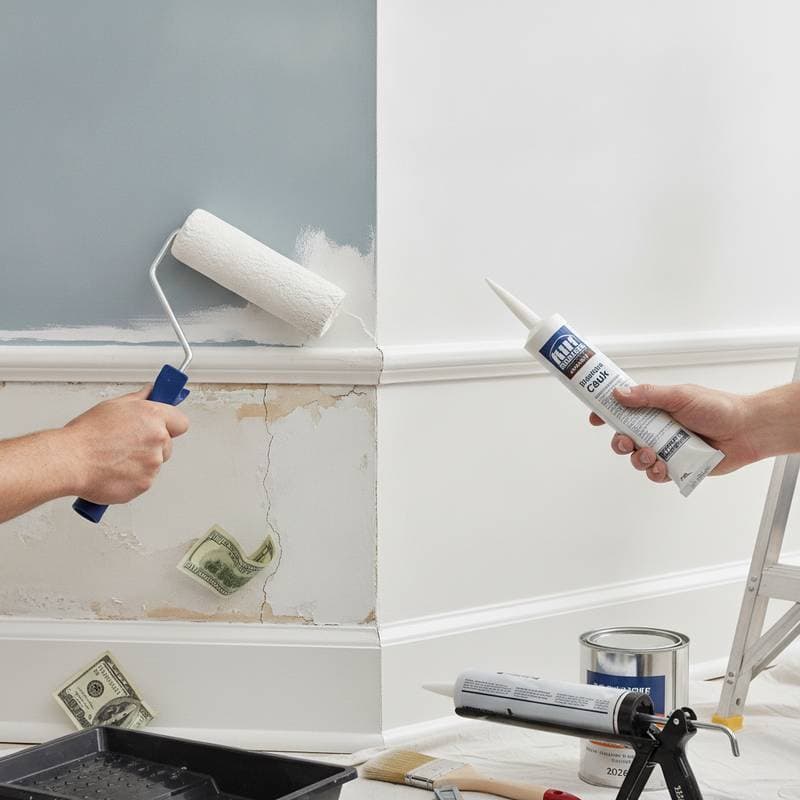
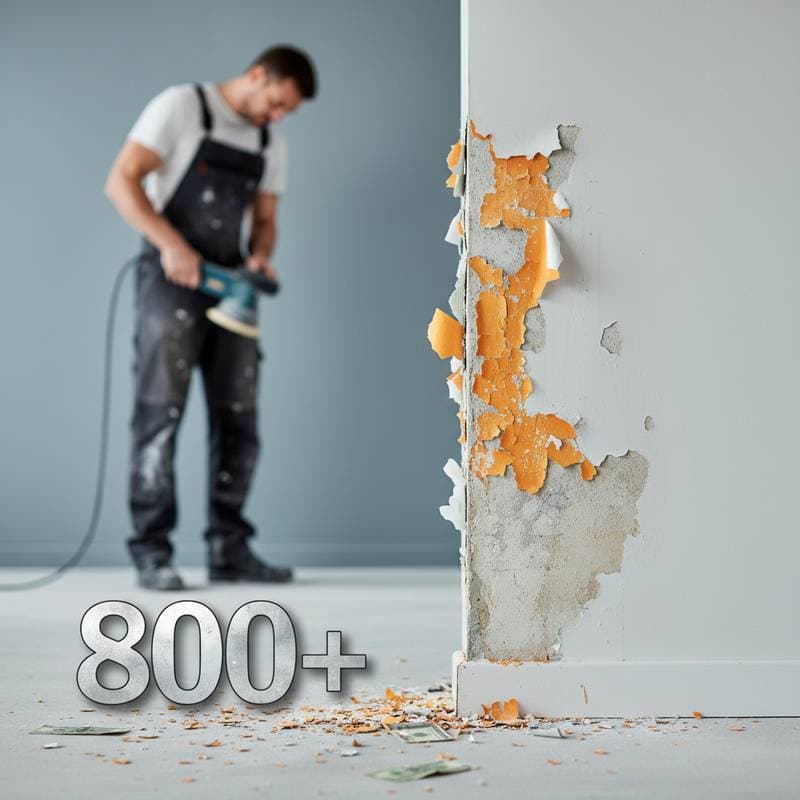
A flawless paint finish requires meticulous preparation before any brush touches the surface. Proper sanding creates a smooth base that ensures paint adheres correctly and lasts for years. Homeowners who skip this step often face peeling, cracking, or bubbling paint within weeks, resulting in repair bills that average $800 or more.
This article explores the reasons behind these failures, the escalating costs involved, and essential steps for effective surface preparation. By grasping the importance of sanding, readers can safeguard their investments and achieve professional-quality results.
Understanding the True Cost of Inadequate Preparation
The term "$800 sanding skip" describes the typical expense to remedy a paint job compromised by neglected surface preparation. Costs vary from $500 to $1,200 based on project scale and surface material. These figures encompass labor for removal, thorough sanding, and reapplication of paint.
Cost Ranges by Project Size
- Small interior wall area: $250 to $500, covering basic stripping and repainting.
- Full room repaint: $600 to $900, including multiple coats and detailed edging.
- Exterior surface overhaul: $700 to $1,200, accounting for weatherproofing and extensive prep.
Breakdown of Expenses per Square Foot
Repairs from skipped sanding generally total $2.50 to $5.50 per square foot. This includes:
- Paint removal: $0.75 to $1.50 per square foot for scraping and chemical stripping.
- Sanding and preparation: $1.00 to $2.00 per square foot to achieve a uniform texture.
- Repainting with finishes: $1.25 to $2.00 per square foot for primers, base coats, and top layers.
Labor dominates these costs, as professionals must address the full extent of damage before new paint can bond effectively. Materials such as solvents and fine-grit sandpaper further contribute to the total.
Cost Variations Across Surface Types
Different materials demand specific preparation techniques, which influence repair expenses. The table below outlines ranges for common surfaces, highlighting factors that drive up costs.
| Surface Type | Basic Repair Range | Standard Repaint Range | Premium Restoration Range | Key Cost Drivers |
|---|---|---|---|---|
| Interior drywall | $1.50 - $2.50 | $2.50 - $3.75 | $3.75 - $5.00 | Patching holes, varying sanding grits, texture matching |
| Wooden trim/doors | $2.00 - $3.50 | $3.50 - $5.00 | $5.00 - $6.50 | Revealing wood grain, applying sealers, blocking stains |
| Exterior siding | $2.25 - $4.00 | $4.00 - $5.50 | $5.50 - $7.00 | Removing weathered layers, sealing cracks, enhancing durability |
| Metal surfaces | $2.75 - $4.25 | $4.25 - $5.75 | $5.75 - $7.25 | Eliminating rust, using etching primers, preventing corrosion |
Restoration often doubles initial sanding expenses because damaged layers must be fully eradicated. Professionals recommend budgeting extra for inspections that reveal underlying issues like moisture.
The Long-Term Value of Proper Sanding
Investing in sanding extends a paint job's durability by three to four times. Initial costs range from $0.75 to $1.50 per square foot for interior work, a fraction of repair fees. This preparation not only prevents failures but also enhances aesthetic appeal.
Well-maintained paint boosts property value during sales or rentals. Potential buyers assess upkeep through surface quality, making smooth finishes a key selling point. Over time, reduced maintenance frequency offsets upfront efforts.
Budgeting Effectively for Surface Preparation
Incorporate preparation into every paint project budget to avoid surprises. Allocate funds as follows:
- Materials: Sandpaper in assorted grits, primers, fillers, and cleaners add $0.50 to $1.00 per square foot.
- Labor: Expect $1.00 to $2.00 per square foot for skilled sanding, adjusted for surface challenges.
- Contingency: Set aside 10 to 15 percent for discoveries like hidden cracks or prior damage.
- Phased Approach: Tackle projects in stages, completing one section fully to control spending.
This structured planning ensures comprehensive coverage without exceeding financial limits. Consult contractors early to refine estimates based on site conditions.
Strategies for Ongoing Maintenance
After sanding and painting, simple habits preserve the finish. Clean surfaces gently with mild detergent solutions and address chips immediately to block moisture. Inspect high-wear zones quarterly for early signs of wear.
Adhere to a repainting cycle every five to seven years, depending on exposure. Proactive touch-ups minimize the need for intensive sanding later. These practices sustain quality while keeping future costs low.
Steps to Launch Your Painting Project
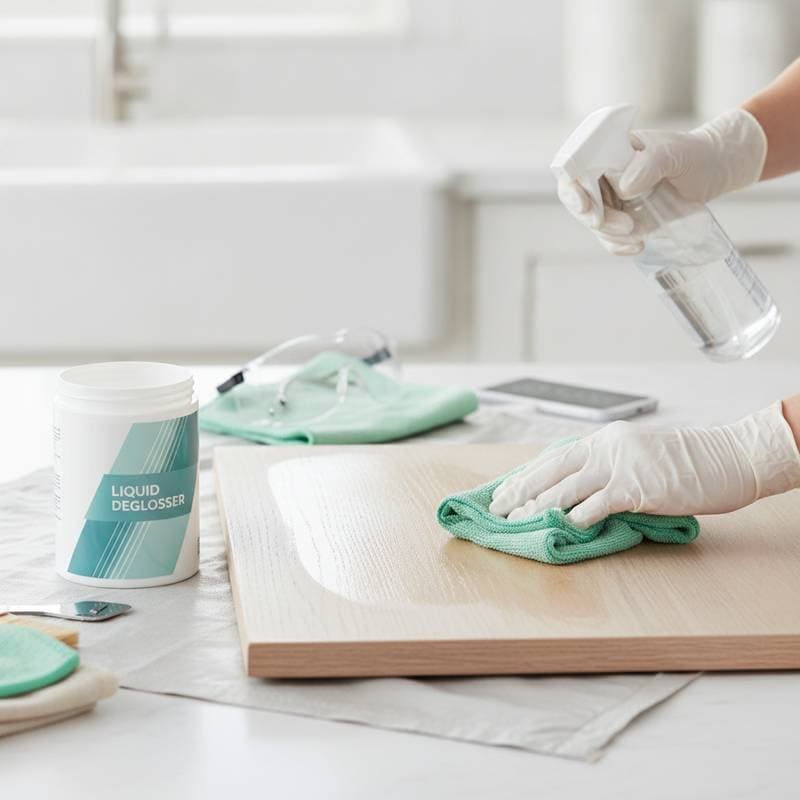
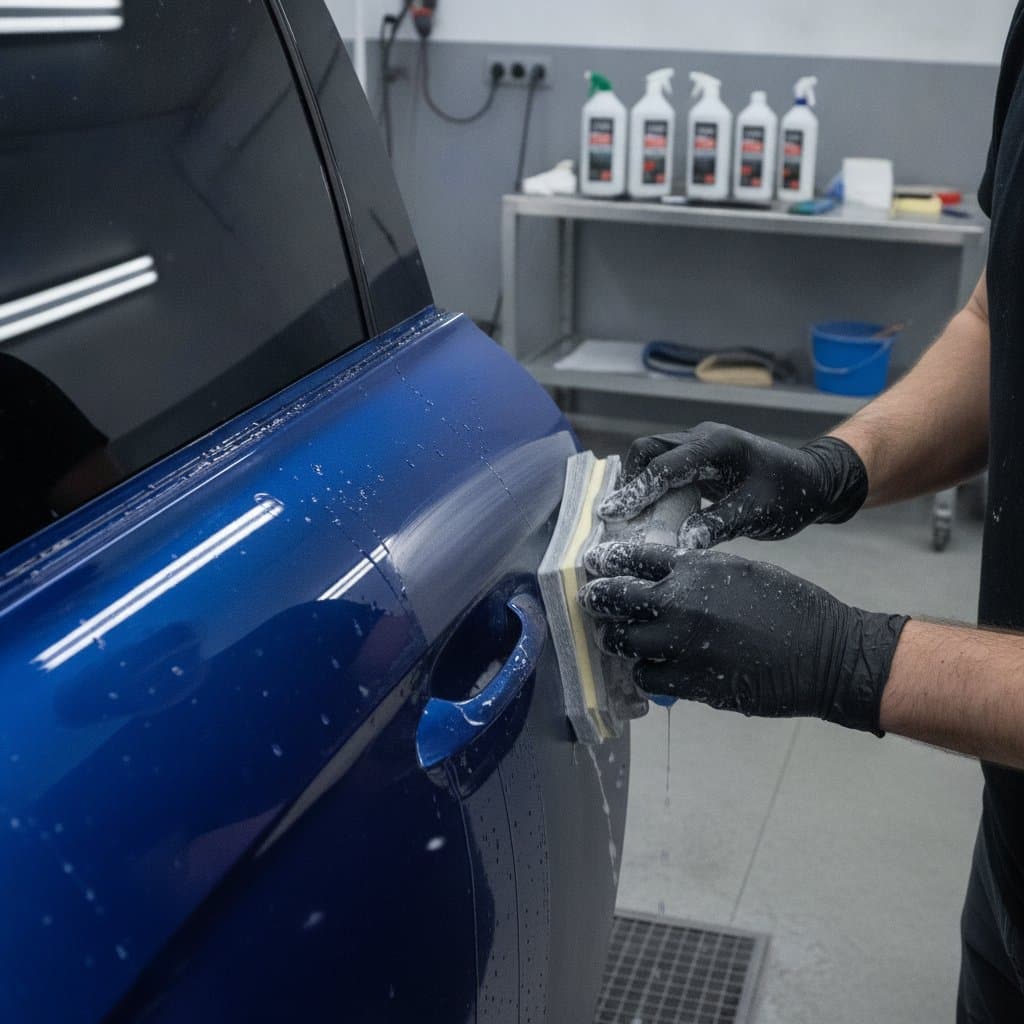
Begin by evaluating surfaces for existing damage or gloss. Select appropriate sandpaper grits, starting coarse for rough areas and finishing fine for smoothness. Clean thoroughly post-sanding to remove dust, then apply primer suited to the material.
Hire certified professionals for complex jobs, verifying their experience with similar surfaces. Schedule during moderate weather to optimize drying and adhesion. Track progress with photos to ensure consistent preparation across the project.
Frequently Asked Questions
What does it cost to fix a paint failure from skipped sanding?
Repairs typically range from $500 to $1,200, factoring in area size, material, and damage extent. This covers complete stripping, preparation, priming, and fresh coats.
Which elements influence sanding and prep expenses?
Surface material, existing paint state, environmental factors like humidity, and technician expertise all play roles. Challenging conditions demand more time and specialized tools.
How can costs decrease while upholding quality?
Perform light sanding and cleaning yourself, opt for quality mid-tier paints, and book during slower seasons for competitive pricing.
Is sanding necessary with self-priming paints?
Absolutely. These products still require a textured surface for optimal grip. Neglect leads to delamination and premature deterioration.
How should one prepare for unforeseen painting expenses?
Build in a 10 to 15 percent buffer. It handles revelations such as structural flaws exposed during initial sanding.
When should sanding and painting occur for best results and savings?
Choose dry, temperate periods for even curing and availability. Steer clear of high humidity or freezes to promote strong bonds and efficient timelines.