Understanding the True Cost of Popcorn Ceiling Removal in 2026
Popcorn ceilings, known also as acoustic or textured ceilings, gained popularity for concealing imperfections and absorbing sound. Homeowners now often regard them as dated and seek smooth, contemporary alternatives. The revelation that removal typically costs around $3,000 for an average home prompts questions, yet this price reflects far more than basic scraping. Professionals undertake a demanding process that includes labor, safety measures, and detailed finishing to deliver durable results.
This resource details the origins of these expenses, outlines project expectations, and provides guidance for selecting contractors or evaluating do-it-yourself options.
Detailed Cost Breakdown
Typical Price Ranges
- Basic removal: $1,500 to $2,300 for small areas with minimal repairs
- Standard removal: $2,500 to $3,500 for average rooms including resurfacing
- Premium removal: $3,800 to $5,000 for complex jobs with custom finishes
Core Services Covered
- Labor to scrape and eliminate the existing texture
- Preparation of surfaces through sealing and priming
- Basic repairs to drywall including patching holes
- Application of a new finish, such as a smooth layer or subtle texture
- Thorough cleanup and proper disposal of debris
Additional Expenses
- Testing and removal of asbestos or lead if detected
- Painting or advanced refinishing beyond initial priming
- Dismantling and reinstalling electrical fixtures
- Addressing water damage or structural issues in drywall
- Installing protective barriers over floors and furnishings
Key Influences on Pricing
| Factor | Impact on Cost | Specific Examples |
|---|---|---|
| Ceiling height | Increases for elevated surfaces | Scaffolding needed for vaulted designs |
| Total square footage | Raises labor and materials | Expanded areas demand extended cleanup |
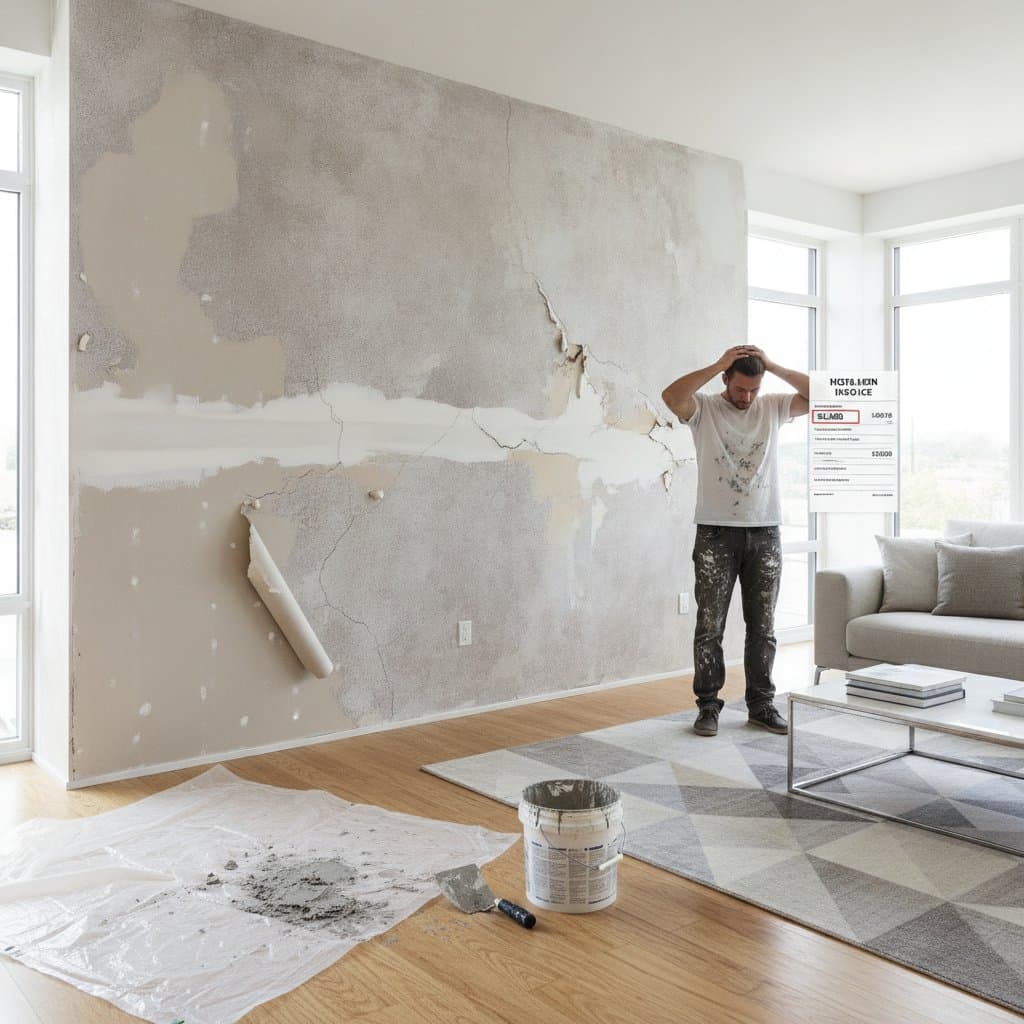
| Drywall condition | Extends repair efforts | Hidden cracks or stains require extra work |
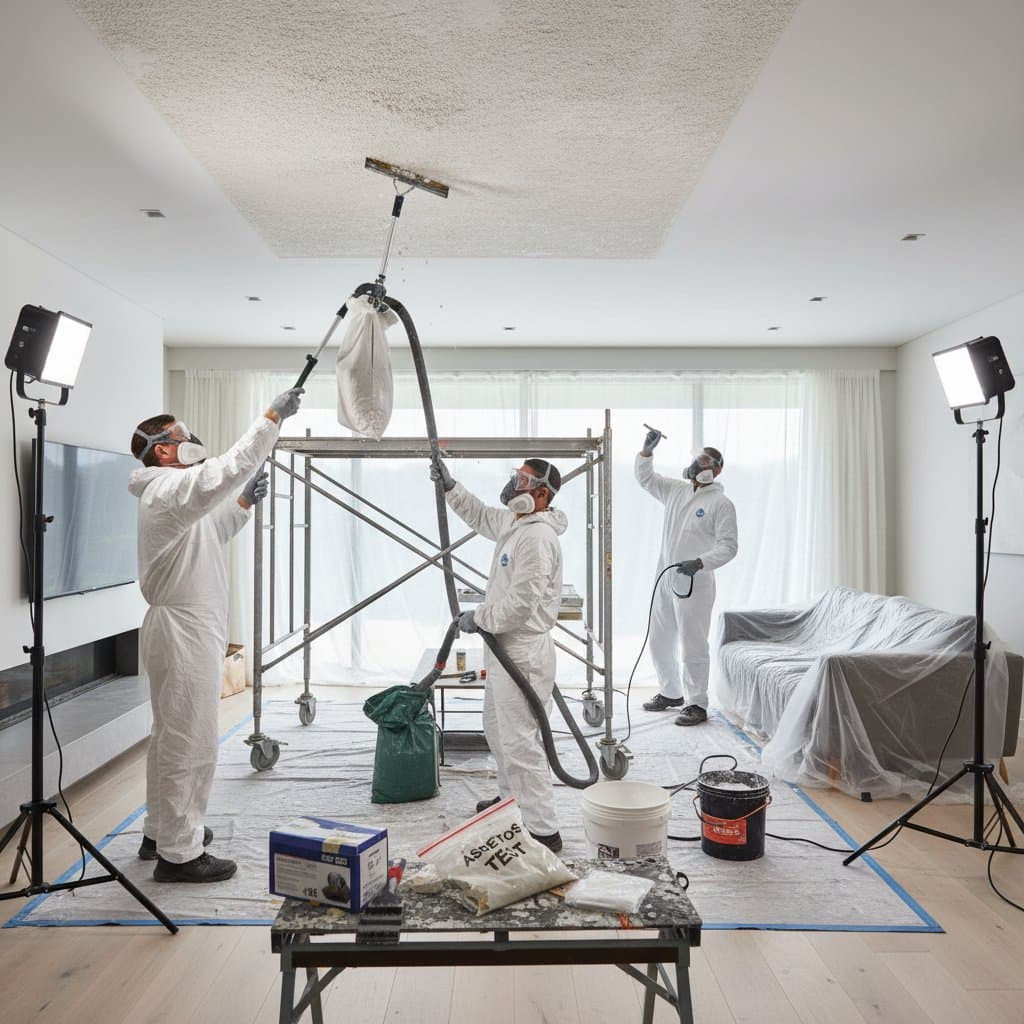
| Asbestos presence | Significantly elevates total | Certified teams use specialized containment |
| Finish type | Adjusts moderately | Smooth surfaces involve intensive sanding |
Factors Driving the Overall Expense
Removal of popcorn texture appears straightforward at first glance, but each phase presents distinct hurdles. Labor constitutes the primary expense, as experts safeguard adjacent areas, scrape with precision to preserve drywall integrity, and achieve even surfaces. Multiple rounds of sanding, patching, and texturing precede any painting, ensuring longevity.
The underlying ceiling state further shapes costs. In older residences, the texture may conceal water marks, fractures, or misaligned seams. Revealing these necessitates targeted repairs prior to refinishing, transforming a simple refresh into comprehensive restoration.
Safety protocols introduce additional demands. Textures from pre-1980s homes frequently include asbestos or lead. Mandatory professional testing precedes work; positive findings require abatement by licensed experts in sealed environments with personal protective equipment. Such measures can inflate the bill by hundreds to thousands of dollars.
Project Timeline Overview
Completion for a modest room spans two to three days, whereas full-home efforts extend to one week or beyond. Variables include area size, elevation, and finish standards.
Standard stages proceed as follows:
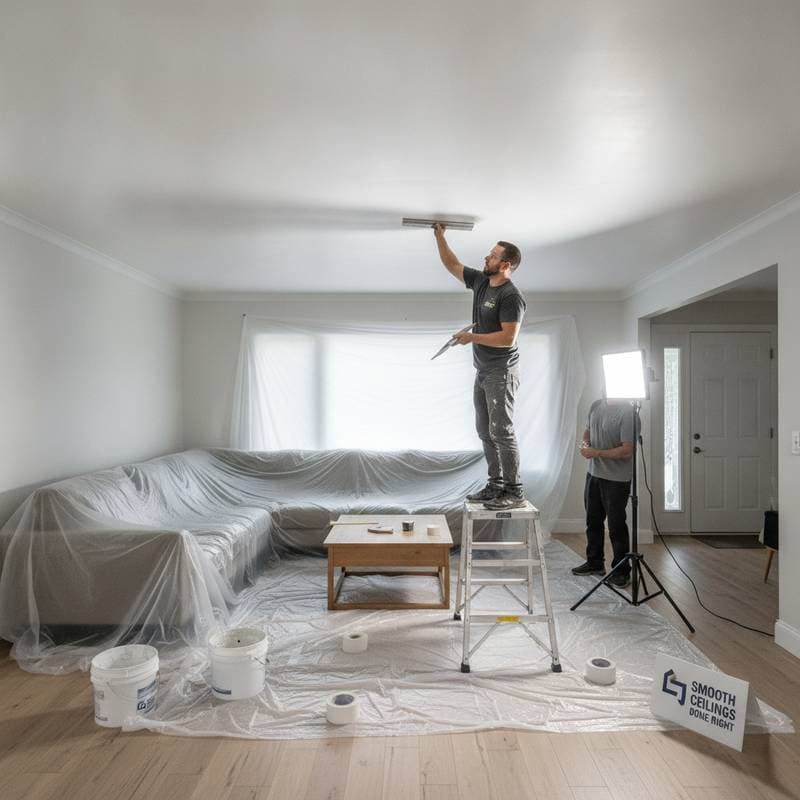
- Preparation: Drape plastic over floors, walls, and items; detach fixtures and vents.
- Safety assessment: Perform tests for asbestos or lead in pre-regulatory era homes.
- Texture extraction: Moisten and scrape methodically to prevent drywall harm.
- Surface restoration: Mend joints, sand thoroughly, and layer joint compound evenly.
- Finishing application: Prime and paint after complete drying.
- Final cleanup: Eliminate dust via vacuuming and dismantle protections.
Account for drying intervals between applications and unforeseen fixes. Expediting stages risks uneven outcomes and callbacks.
Weighing Professional Services Against Do-It-Yourself Efforts
Homeowners frequently explore self-removal to cut expenses. Such approaches suit certain scenarios but demand substantial commitment and caution.
Benefits of Do-It-Yourself Removal
- Reduced initial outlay absent hazardous materials
- Control over timing and daily progress
Drawbacks of Do-It-Yourself Removal
- Intense physical labor amid pervasive mess
- Likelihood of harming drywall or seams
- Inadequate dust management without industrial tools
- Exposure risks from undetected asbestos
- Variable quality lacking expert equipment
Professionals deploy sprayers, lifts, and dust-extraction sanders for superior control and uniformity. They integrate repairs and refinishing seamlessly. For optimal aesthetics and safety, expert involvement proves invaluable.
Selecting and Engaging Contractors
The ideal contractor minimizes disruptions and ensures quality. Follow these steps for effective choices.
Initial Evaluation
- Verify licensing and insurance credentials.
- Review authenticated client feedback for dependability.
- Inquire about specialized popcorn removal history.
Obtaining Estimates
Secure three detailed bids. Evaluate inclusions alongside figures; budget options might omit priming or disposal. Demand breakdowns covering labor, supplies, and extras.
Essential Contract Elements
Contracts must specify:
- Project scope and required materials
- Scheduled start and end dates
- Staged payment terms
- Obligations for site cleanup
- Coverage under warranty
Refrain from full advance payments. Trustworthy providers accept deposits with installments tied to milestones.
Homeowner Preparation Strategies
Prior to commencement, relocate portable belongings and secure access routes. Shield or shift furniture; coordinate on air circulation and system safeguards with the team. Relocate pets from active zones to avoid disturbances from particulates and activity.
Maintain open dialogue throughout. Request phase-by-phase updates and approvals for adjustments. Monitor advancements each day to align with standards. Upon finishing, verify texture uniformity, paint consistency, and residue absence before settling the balance.
Achieving Superior Finishes
Successful removal yields ceilings that enhance room luminosity and modernity. Smooth variants demand extensive sanding and compounding for elevated pricing yet superior elegance. Subtle textures mask slight flaws with simpler upkeep.
Examine results in varied lighting to confirm consistency. Experts favor flat or matte paints to minimize reflections and accentuate sleekness.
Steps to Launch Your Ceiling Update
Assess your space for size, age, and condition to estimate needs. Budget by incorporating testing and contingencies at 20 percent above base quotes. Schedule consultations promptly, as demand peaks seasonally. This preparation secures a transformed interior that elevates daily living without surprises.
Common Questions Addressed
What Determines Popcorn Ceiling Removal Expenses?
Primary elements encompass height, area, drywall integrity, and abatement necessities. Finish selections influence totals, with smooth applications requiring greater effort than textured ones.
How Long Does Removal Take for a Typical Residence?
Single-story homes require five to seven days inclusive of all steps. Multi-level or expansive layouts extend durations, particularly with layered compounds and paints. Inter-coat drying prolongs timelines.
Can Homeowners Safely Handle Removal Independently?
Self-directed efforts carry hazards without prior testing for contaminants. Dust generation and precision demands challenge amateurs. Experts guarantee protection and polished outcomes.
How to Identify a Suitable Contractor?
Prioritize licensed, insured specialists versed in refinishing. Solicit client references, project images, and comprehensive bids. Clear explanations and responsiveness signal reliability.
What Occurs During the Removal Procedure?
Areas seal with plastic; protections cover surfaces. Teams moisten, scrape, mend, and refinish systematically. Integrated dust mitigation and post-work tidying form standard practice.
What Challenges May Emerge Post-Removal?
Exposed fractures or irregularities often need compounding before coating. Extensive drywall issues might warrant panel swaps. Dependable teams resolve these efficiently within scope.