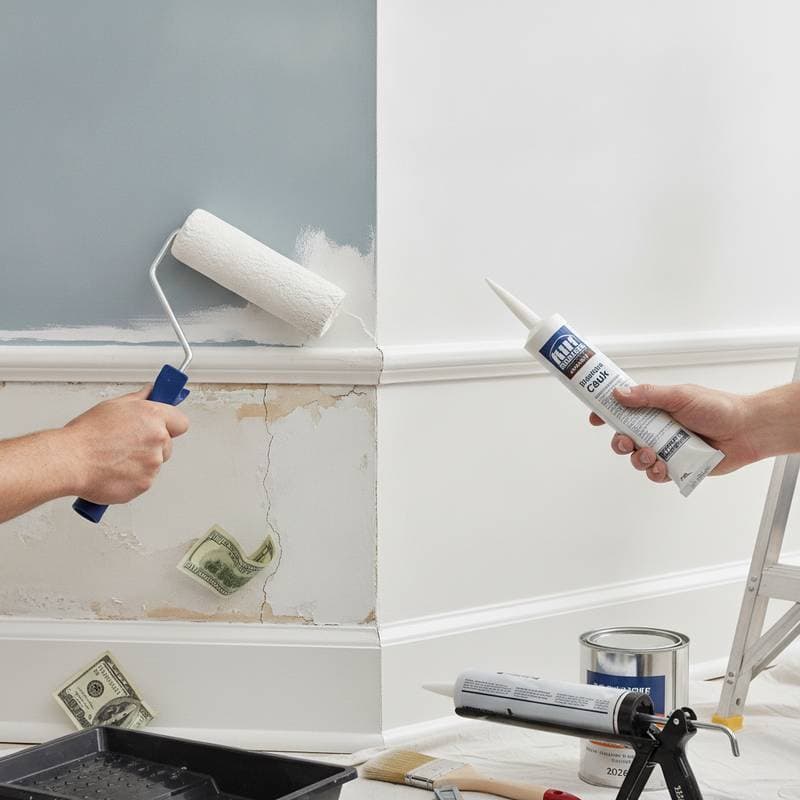
Understanding the 30 Percent Cost Increase in Multi-Color Room Painting
Color plays a vital role in defining a room's atmosphere, and multi-color designs introduce unique character to living spaces. Homeowners often encounter unexpected estimates when pursuing such projects. Multi-color rooms require approximately 30 percent more in painting expenses compared to single-color applications. These costs stem from labor, materials, and meticulous execution. This article examines these elements to clarify expenses and provide strategies for efficient planning.
Factors Driving Higher Costs in Multi-Color Painting
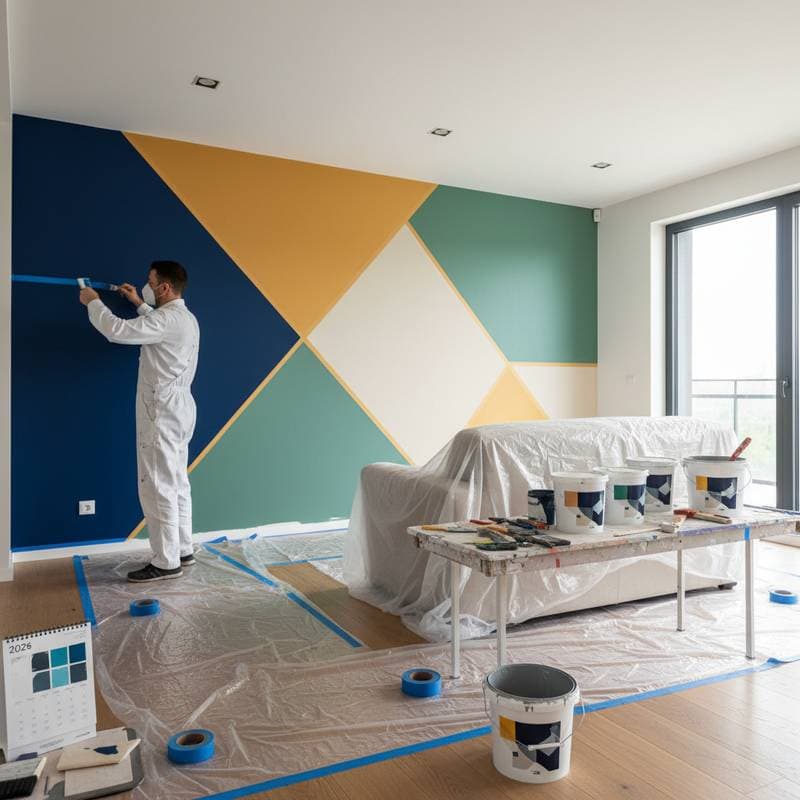
Each color boundary represents a point of transition that demands additional effort. Painters allocate extra time to masking, edging, and tool maintenance between applications. Multiple colors also necessitate increased setup, replacement of roller covers, and subsequent corrections. When combined with specialized primers or finishes, these requirements lead to a significant price escalation.
Consider the process as a sequence of coordinated steps. In a single-color room, teams progress efficiently across broad surfaces with uniform techniques. Introducing additional colors disrupts this flow. Workers pause to clean equipment, switch containers, and safeguard completed areas. Achieving precise boundaries requires expertise, focus, and extended durations.
Labor Demands in Multi-Color Projects
Labor constitutes the primary driver of elevated costs. A basic single-color room may require only a few hours for one painter to complete preparation, application, and finishing. Incorporating multiple colors can extend this timeframe substantially, often approaching double the original estimate.
The following aspects contribute to this increase:
- Extended Preparation: Boundaries between colors demand precise taping and masking to avoid unintended overlaps.
- Increased Edging Efforts: Additional time goes toward detailing around moldings, angles, and ceiling junctions.
- Drying Interval Accumulations: Fresh paint prohibits immediate masking, so crews await curing before proceeding to the next shade.
- Repeated Cleanup Procedures: Switching colors involves washing or replacing brushes, trays, and rollers.
These procedures heighten complexity, even for experienced professionals. Their rates reflect the skill required to deliver impeccable results.
Rising Material Expenses
Beyond time investments, materials contribute notably to the overall expense. Each color demands dedicated paint, primer, and potentially distinct finishes. This results in greater quantities of products, additional packaging, and surplus amounts.
Key material considerations include:
- Separate Paint Containers: Full gallons must be purchased even for partial uses, such as accent features.
- Additional Consumables: Items like brushes, masking tape, and drop cloths are refreshed between colors to prevent mixing.
- Specialized Primers: Certain hues benefit from color-matched primers for optimal coverage and vibrancy.
Professionals select materials that ensure accurate color rendition without dulling or inconsistency. Multi-color endeavors inherently require more resources to maintain quality and longevity.
Value of Precision in Execution
Clean paint edges appear straightforward but demand honed techniques and extensive experience. Skilled painters produce sharp lines free from seepage or irregularities. Clients pay for this level of craftsmanship, which enhances the final appearance.
Media depictions often condense painting processes, omitting preparatory stages. In reality, teams invest considerable time in refining tape applications, verifying edge integrity, and optimizing conditions for seamless color junctions. This attention to detail occurs in residential settings as well, yielding refined and professional outcomes.
Benefits of Multi-Color Designs
Multi-color applications transform ordinary rooms into sophisticated environments. Techniques such as color blocking or contrasting ceilings alter spatial perceptions, making areas appear larger or more structured. Strategic contrasts guide visual focus, emphasize architectural details, and enrich textures.
These designs create depth and personalization, distinguishing a space from standard interiors. Proper implementation elevates the room's impact, fostering a sense of tailored design that aligns with individual preferences.
Strategies for Budget Management
Achieving a desired palette does not necessitate exceeding financial limits. Consider these approaches to control expenditures:
- Consolidate Colors Across Spaces: Select two or three complementary shades per room and incorporate one into adjacent areas to reduce material needs.
- Minimize Transition Points: Leverage existing features like paneling or fixtures for color divisions, limiting labor-intensive edges.
- Target Key Accents: Apply bold colors to specific zones, such as a single wall, to achieve effect with reduced coverage.
- Sample and Evaluate: Apply test patches and observe them over several days to confirm choices and prevent rework.
- Utilize Existing Supplies: Inquire about compatible remnants from prior projects for accents, verifying condition and match beforehand.
Options for Renters and Budget-Conscious Projects
Individuals in rentals or with limited funds can incorporate multi-color elements through non-permanent methods. These alternatives provide visual interest without commitment:
- Portable Panels: Coat detachable boards with paint and position them as accents against walls.
- Geometric Applications: Employ tape to form patterns using small paint quantities on select surfaces.
- Textile or Adhesive Inserts: Install framed fabrics or removable wallpapers within borders for varied hues.
- Accent Trim Work: Focus on elements like baseboards or frames for contrasting colors, requiring minimal effort and risk.
Such innovations deliver style efficiently.
Contractor Perspectives on Multi-Color Work
Contractors approach multi-color assignments with structured protocols to ensure efficiency. Projects incorporate phased scheduling to accommodate drying, sequencing, and approvals. This method reduces disruptions and promotes fluid progress.
Teams monitor:
- Application Sequence: Determining the order of shades to optimize coverage.
- Storage Protocols: Sealing containers to preserve color integrity.
- Approval Milestones: Securing confirmation on each phase to avoid revisions.
These practices safeguard quality for both parties, emphasizing methodical execution over improvisation.
Durability and Upkeep Considerations
Correctly executed multi-color finishes maintain visual appeal over time. Variations in tone disguise minor imperfections more effectively than uniform surfaces. Organized maintenance enhances longevity.
Retain labeled samples of each color in sealed containers, stored away from light and temperature extremes. Opt for resilient sheens in active zones, such as satin for easy cleaning. Reserve matte options for quieter areas to minimize glare.
Essential Techniques for Optimal Results
- Lighting Assessment: Examine shades under both daylight and indoor illumination prior to decisions.
- Tape Removal Method: Lift at a 45-degree angle when paint remains tacky for precise lines.
- Color Application Order: Begin with lighter tones before darker ones to facilitate adjustments.
- Inventory Labeling: Mark cans with location and type for future reference.
Prioritizing fewer, well-executed colors yields a premium appearance.
Embracing the Completed Space
After completion, observe the interplay of light on tones and the refreshed integration of furnishings. Multi-color designs express individuality through thoughtful application. Knowledge of processes empowers informed budgeting and collaboration, resulting in enduring, magazine-worthy interiors.