Avoiding the $800 Sanding Trap When Painting Textured Walls
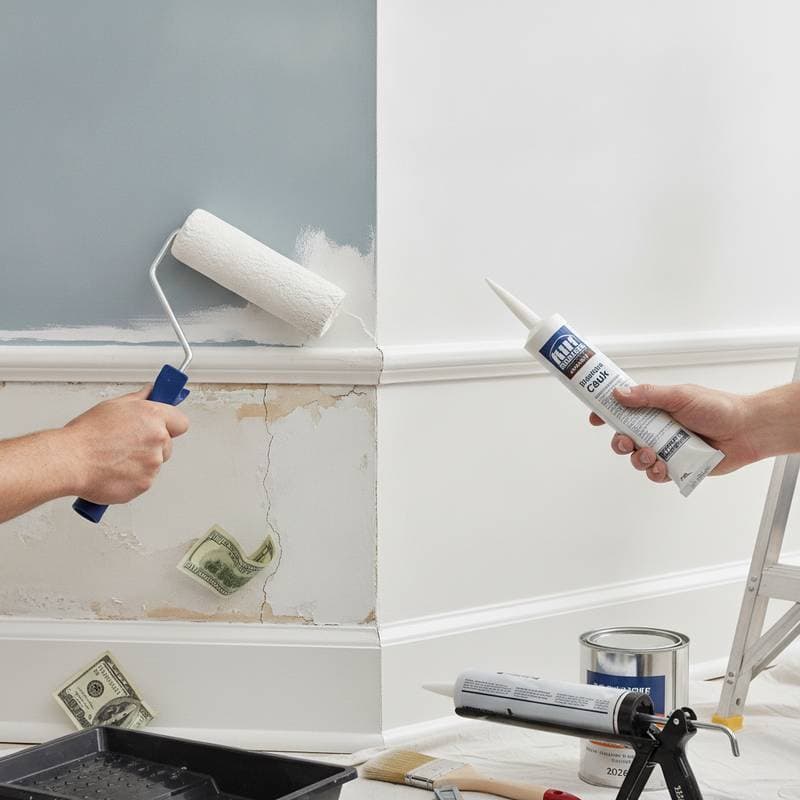
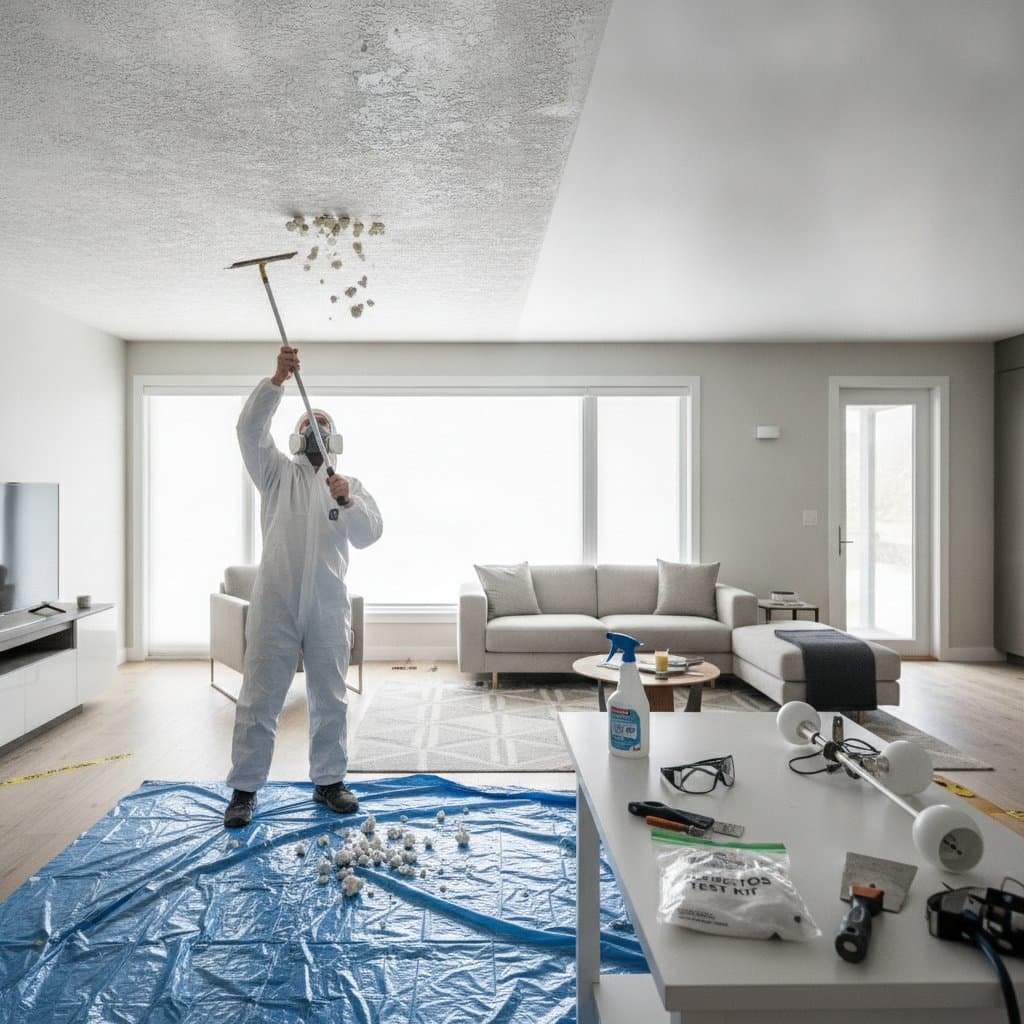
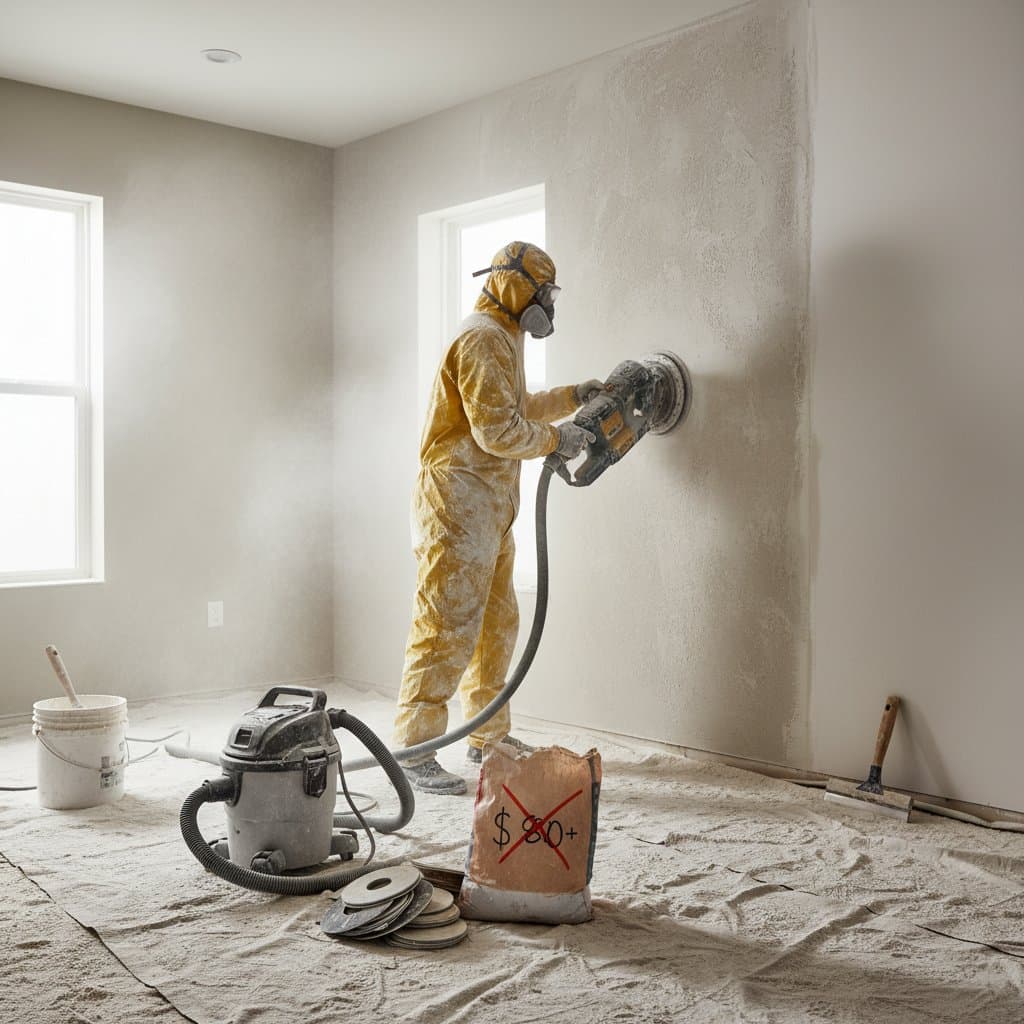
Painting textured walls refreshes a space effectively, yet inadequate preparation frequently results in expenses beyond initial estimates. Professionals identify the $800 sanding trap as a common issue where initial surface work evolves into extensive labor for corrections. For coverings like heavy orange peel, knockdown, or popcorn textures, grasping the expenses and intricacies of pre-painting sanding prevents financial waste and ensures uniform outcomes.
Overview of Sanding Costs for Textured Walls
Sanding textured walls prior to painting typically costs between $400 and $800 per room, varying by dimensions, texture depth, and required effort. In residences featuring complex textures or accumulated layers of prior paint, overall preparation expenses may surpass $1,000, encompassing professional sanding, debris removal, and necessary fixes.
Cost Ranges Based on Room Dimensions
- Small room (100 square feet): $300 to $450
- Medium room (200 square feet): $600 to $800
- Large room (300 or more square feet): $900 to $1,200
Breakdown of Costs per Square Foot
Standard sanding rates fall between $1.50 and $3.50 per square foot, covering:
- Materials: $0.25 to $0.50 per square foot
- Labor: $1.25 to $2.50 per square foot
- Debris removal and dust management: $0.25 to $0.50 per square foot
- Surface fixes: $0.50 to $1.00 per square foot, as required
These figures apply to typical scenarios. Substantial texture elimination or drywall restoration can inflate project totals by several hundred dollars.
Reasons Sanding Textured Walls Leads to the $800 Trap
Homeowners frequently presume that brief sanding suffices for leveling textured walls, though the task proves far more demanding. The trap emerges as initial underestimations demand prolonged manual abrasion, dust mitigation, and surface restoration. A modest $100 do-it-yourself effort might necessitate an $800 expert intervention for resolution.
Primary Causes of the Sanding Trap
- Underestimating surface depth
Substantial textures demand thorough abrasion for even smoothing. Uniform removal of dense layers across an entire wall extends far beyond anticipated durations. - Neglecting dust management
Absent effective barriers, minuscule particles disperse widely within the residence. Subsequent decontamination and ventilation expenses mount rapidly. - Damage from inconsistent sanding
Excessive abrasion risks indenting drywall, requiring subsequent skim coating and patching prior to application. - Omitting primer post-sanding
Abraded surfaces ingest paint irregularly, prompting additional layers and heightened material outlays.
Recognizing these hazards enables homeowners to identify instances where sanding proves inefficient or uneconomical.
Key Factors Influencing Sanding Expenses
Each textured wall poses unique obstacles. Multiple elements shape the ultimate preparation outlays.
1. Texture Variety and Density
Popcorn or dense knockdown varieties necessitate greater material extraction compared to subtle orange peel applications. Dense removal often involves powered sanders or skim coating alternatives, thereby extending labor periods.
2. Wall State
Fissures, accumulated prior coatings, or humidity-induced harm require supplementary groundwork. Drywall restoration precedes sanding and may contribute $100 to $300 per room.
3. Accessibility and Configuration
Elevated ceilings, confined passages, or staircases complicate sanding operations. Supplementary ladders, platforms, and protective gear elevate both duration and workforce charges.
4. Dust Barriers and Decontamination
Expert applicators employ vacuum-equipped sanders alongside plastic enclosures. Such measures incur initial premiums yet shorten remediation phases and safeguard interior atmospheres.
5. Local Workforce Pricing
Regional economic dynamics dictate rates. Metropolitan zones with elevated wages may reach $4 per square foot, whereas countryside locales remain nearer to $2 per square foot.
In-Depth Cost Comparison by Method
| Method | Basic Range | Standard Range | Premium Range | Primary Distinctions |
|---|---|---|---|---|
| Manual Sanding | $1.00 - $2.00 per sq. ft. | $2.00 - $2.50 per sq. ft. | $2.50 - $3.00 per sq. ft. | Effort-heavy, ideal for limited zones |
| Powered Sanding | $1.50 - $2.50 per sq. ft. | $2.50 - $3.50 per sq. ft. | $3.50 - $4.00 per sq. ft. | Quicker execution, suited to broad areas |
| Skim Coating Option | $1.75 - $3.00 per sq. ft. | $2.50 - $4.00 per sq. ft. | $4.00 - $5.00 per sq. ft. | Level surface minus intensive abrasion |
Numerous homeowners find skim coating more economical than profound sanding. Professionals apply a slender joint compound layer to yield a plane surface with minimal disorder and reduced restoration hazards.
Assessing Value and Long-Term Returns
Thorough wall groundwork profoundly impacts enduring paint efficacy. Level, adequately prepped walls demand fewer applications, adhere superiorly to primers, and withstand flaking. While sanding or skim coating elevates preliminary expenditures, such investments frequently prolong paint longevity by multiple years.
Regarding property sales, plane walls convey a contemporary, renovated aesthetic attractive to purchasers. Allocating resources to expert surface groundwork furnishes substantial aesthetic benefits and enhances the painting endeavor's overall worth.
Effective Strategies to Minimize Expenses
- Examine modest areas initially to evaluate required exertion and resultant quality prior to full-room commitment.
- Manage elementary groundwork personally, including detaching outlet plates and cleansing surfaces before expert arrival.
- Solicit estimates for both sanding and skim coating to ascertain the optimal cost-result equilibrium.
- Arrange work amid non-peak periods when applicators extend discounted pricing.
- Allocate for dust mitigation at the outset, as remediation outlays typically surpass preventive measures.
Budgeting Effectively for Wall Preparation
Establish a comprehensive financial plan by tallying room measurements, texture assessments, and prospective repairs. Obtain at least three professional quotations to benchmark rates and methodologies. Incorporate a 10 to 15 percent buffer for unforeseen issues like concealed structural flaws or supplementary layers. Track expenditures throughout to maintain alignment with projections, ensuring the project concludes within fiscal limits while upholding quality standards.
Frequently Asked Questions
What constitutes the typical expense for sanding textured walls prior to painting?
Homeowners generally allocate $400 to $800 per room, contingent upon surface area, texture profundity, and workforce demands. Dense textures or expansive areas may surpass $1,000 with requisite restorations.
Which elements most significantly alter sanding outlays?
Texture classification, surface integrity, spatial arrangement, and dust mitigation needs exert the greatest influence. Denser textures and compromised drywall amplify both temporal and personnel charges.
In what ways can expenses be reduced on sanding while preserving standards?
Emphasize groundwork: sanitize surfaces, detach fixtures, and mask edges before expert commencement. Seek proposals encompassing sanding alongside skim coating for comparative assessment. Timing during subdued seasons likewise secures favorable pricing.
Is personal sanding preferable, or should professionals be engaged?
Self-directed sanding economizes on confined zones, yet textured walls benefit from expertise and dedicated apparatus. Specialists deliver consistent outcomes, adequate dust enclosure, and accelerated timelines, justifying workforce fees.
How should one allocate for unanticipated preparation expenditures?
Reserve a contingency allocation equating to 10 to 15 percent of the aggregate projection. This provision addresses latent impairments, further restorations, or excess applications for optimal smoothness.
When does scheduling sanding and painting of textured walls yield minimal costs?
Late winter through early spring periods encounter reduced applicator availability, potentially lowering workforce rates. Eschew high-demand summer and festive intervals when timetables constrain and charges escalate.