Understanding LRV: The Key to Controlling Paint Brightness in 2026
Homeowners often select paint based on color names and sheen levels, yet the true determinant of a room's brightness rests in Light Reflectance Value, or LRV. This numerical scale, ranging from 0 to 100, quantifies the percentage of light a paint reflects back into the space. Mastering LRV enables precise choices that enhance visual appeal, promote energy savings, and align with practical project needs.
This article details LRV's influence on brightness, explores contributing factors, provides selection strategies, and outlines cost implications for effective home painting in 2026.
How LRV Shapes Paint Brightness
Reflection and Visual Impact
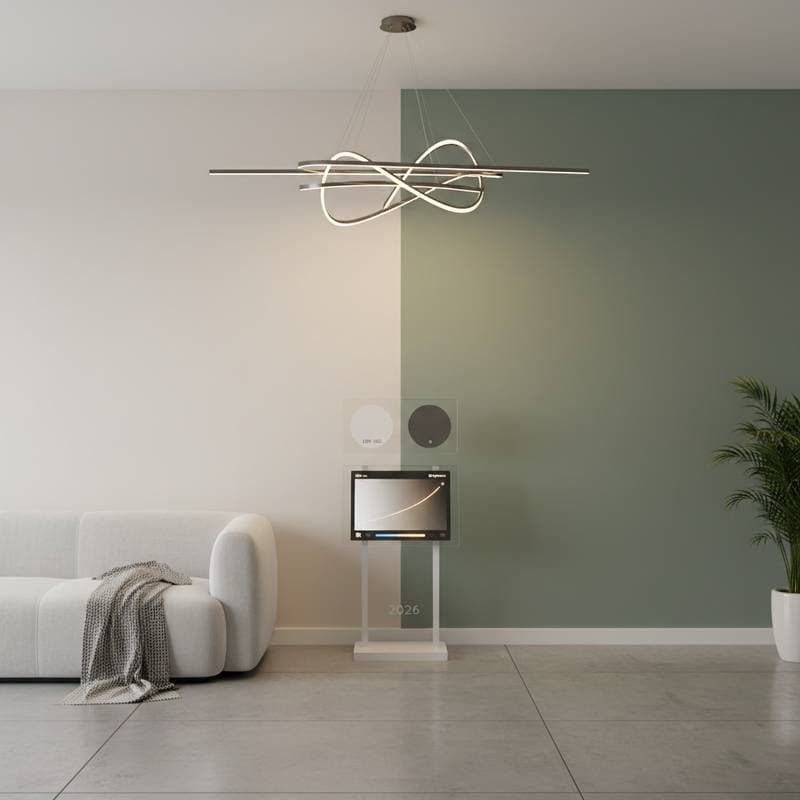
LRV directly governs light interaction with painted surfaces. For instance, a paint with an LRV of 70 returns 70 percent of incident light, creating a luminous effect, whereas an LRV of 20 absorbs most light, yielding a subdued atmosphere. Such variations alter room perception significantly, regardless of consistent lighting fixtures.
Interplay with Natural and Artificial Light
Natural daylight amplifies high-LRV paints in sunlit areas, fostering an airy feel. Artificial sources, like LED bulbs, pair best with moderate LRV values to prevent harsh glare or shadowy corners. Evaluate both light types to maintain uniform brightness across daily cycles.
Effects on Energy Use and Room Comfort
High-LRV paints distribute light efficiently, potentially cutting artificial illumination by up to 20 percent in well-lit zones. This approach lowers energy bills while preserving comfort. Lower-LRV options absorb light to generate intimate settings, ideal for restful areas like bedrooms.
Elements Affecting LRV and Perceived Brightness
Paint Sheen Variations
Sheen alters light behavior beyond base LRV. Glossy sheens amplify reflection, boosting brightness for moderate-LRV colors. Matte sheens diffuse light softly, minimizing glare but dimming appearance slightly.
Sheen Options Compared:
- Matte or Flat: Provides a velvety texture with minimal reflection; conceals surface flaws effectively.
- Eggshell or Satin: Delivers moderate diffusion; works well in high-traffic zones like living areas.
- Semi-Gloss or Gloss: Maximizes bounce-back; suits accents such as doors and moldings.
Space Dimensions and Illumination Sources
Compact rooms gain from LRV above 60 to appear expansive. Expansive areas accommodate LRV below 40 without constriction. Orientation influences choices: north-facing rooms demand LRV over 65 for warmth, while south-facing ones thrive with 40 to 60 to temper intensity.
Architectural Features and Textures
Tall ceilings distribute light broadly, enhancing high-LRV effects. Textured walls, such as those with plaster, scatter rays unevenly, softening brightness from elevated LRV paints. Smooth finishes ensure predictable reflection patterns.
Role of Color Undertones
Undertones modify brightness within equal LRV ratings. Blue-based grays often appear cooler and darker, while yellow-infused versions radiate warmth. Test undertones under target lighting to forecast true performance.
LRV's Role in Enhancing Home Value
Strategic LRV selection elevates aesthetics and marketability. High-LRV neutrals expand perceived space, attracting buyers seeking modern openness. Low-LRV accents introduce depth, adding unique character to personalized zones.
Maintenance considerations include visibility of stains on light paints, necessitating routine wiping. Darker paints mask wear but may require UV-protective formulas in sunny exposures to prevent fading. These choices sustain long-term vibrancy and appeal.
Strategies for LRV Selection in Painting Projects
-
Sample Under Varied Conditions: Paint swatches on opposing walls and review them from morning through evening. Light shifts reveal subtle LRV differences.
-
Prioritize Numerical Data: Verify LRV figures across brands, as names like "soft white" vary in reflectance.
-
Maintain Flow Between Areas: Employ high LRV in transitions like corridors, dropping to moderate in adjacent rooms for cohesive progression.
-
Accentuate with Contrasts: Apply higher-LRV whites to ceilings, directing light downward for overall lift.
-
Match Sheen to Usage: Opt for durable semi-gloss in wet zones to preserve reflection amid cleaning demands.
LRV Recommendations by Room Type
| Room Type | LRV Range | Recommended Sheen | Primary Objective |
|---|---|---|---|
| Living Room | 55 - 70 | Eggshell or Satin | Even light distribution |
| Kitchen | 60 - 80 | Satin or Semi-Gloss | Cleanability and vibrancy |
| Bedroom | 35 - 55 | Matte or Eggshell | Relaxed yet spacious feel |
| Bathroom | 65 - 85 | Semi-Gloss | Humidity resistance |
| Hallway | 70 - 90 | Satin | Pathway illumination |
These ranges guide efficient material allocation, harmonizing style and budget.
Cost-Effective Approaches Using LRV
-
Maximize Daylight Integration: Select LRV over 70 in naturally lit spaces to minimize bulb usage, yielding annual savings.
-
Adopt Versatile Mid-Range Options: LRV of 45 to 65 covers evenly in two coats, avoiding excess primer for dark shades.
-
Target Focal Points: Reserve premium high-LRV formulas for visible walls, pairing with economical bases elsewhere.
-
Optimize Surface Prep: Prime thoroughly to enhance adhesion and reflection, often eliminating a third coat.
-
Time Projects Wisely: Schedule during slower seasons like winter for discounted professional rates.
Budgeting for LRV-Driven Painting
Calculate expenses by measuring square footage per room and assigning LRV targets. Factor in primer at $0.50 per square foot, paint at $0.75 to $1.50 per square foot, and labor at $1 to $3 per square foot. Allocate 10 to 15 percent extra for variables like extra layers or sheen adjustments.
Applying LRV Insights for Lasting Results
Integrate LRV into planning to achieve enduring brightness and efficiency. Consult these principles during consultations with professionals to tailor selections precisely. The outcome delivers spaces that feel vibrant, functional, and forward-thinking for 2026 and beyond.
Frequently Asked Questions
What LRV Ranges Cover Typical Home Paints?
Interior options span 20 to 80. Light shades exceed 70, neutrals range 40 to 60, and bold hues fall below 25.
Does LRV Impact Coat Requirements?
Lower LRV demands additional layers for opacity, while higher values benefit from tinted primers to avoid bleed-through. Each layer adds to time and expense.
How Does LRV Contribute to Home Energy Savings?
Elevated LRV reduces reliance on lights, and in sunny regions, reflects heat to maintain cooler interiors.
Best Practices for Cross-Brand LRV Comparison?
Examine precise values over visual samples, as formulations differ between manufacturers.
Optimal LRV for Compact Spaces?
Favor 60 or higher to amplify light and dimension; use lower for targeted accents to add interest.
Preserving High-LRV Brightness Long-Term?
Implement gentle dusting and spot-cleaning routines. Select washable sheens to retain original reflectance without damage.