Why LRV Defines Brighter Paint Trends in 2026
Lighting, color, and perception intersect to shape the ambiance of any room. Homeowners seeking brighter, more uplifting interiors rely on one essential metric: Light Reflectance Value (LRV). Often overlooked, LRV underpins current trends for light and airy paints, influencing how spaces look and feel. Knowledge of LRV empowers informed decisions on colors, balanced illumination, and enduring aesthetic appeal.
What Light Reflectance Value Really Means
LRV quantifies the percentage of light a paint color reflects versus absorbs, on a scale from 0 to 100. Colors near 0 absorb almost all light, while those near 100 reflect nearly all. For example, pure white paint typically achieves an LRV of about 90, whereas deep charcoal registers around 10.
This measurement impacts brightness, emotional response, and energy use. High-LRV colors make rooms seem larger, more open, and welcoming. Low-LRV shades provide depth, contrast, and coziness. Homeowners can select tones that align with natural light sources and intended atmospheres by grasping these dynamics.
How LRV Shapes Modern Color Choices
Interior design trends emphasize lightness, serenity, and natural equilibrium. The rise of high-LRV paints mirrors a preference for fresh, calming environments. Soft neutrals, light grays, and subtle whites gain favor as they maximize daylight and expand perceived space.
Beyond aesthetics, this shift enhances daily experiences. Bright colors improve visibility, lessen reliance on electric lights, and promote a hygienic feel. Darker hues serve as targeted accents, introducing elegance without dominating ambient light.
The Science Behind Perceived Brightness
LRV determines a color's appearance and performance across lighting scenarios. High-reflectance paints scatter light uniformly over surfaces, softening shadows, curbing glare, and accentuating structural elements.
Daylight varies by time and direction, while artificial sources differ in temperature and intensity. A color vibrant on a sample swatch may dull or shift hue under incandescent bulbs. Reviewing LRV values allows prediction of interactions with specific lights, yielding reliable outcomes.
Project Cost Breakdown
Selecting and applying paint with optimal LRV extends beyond color selection to include preparation, supplies, and execution.
Average Cost Ranges
- Basic repaint: $2,000 to $3,000
- Standard repaint with color adjustment: $3,500 to $5,000
- Premium repaint with multiple finishes and lighting$6,000 to $8,000
What's Included
- Surface cleaning, sanding, and priming
- Two coats of chosen paint at specified LRV
- Minor patching and trim touch-ups
- Cleanup and post-completion inspection
What Costs Extra
- Wall repairs or texture corrections: $200 to $800
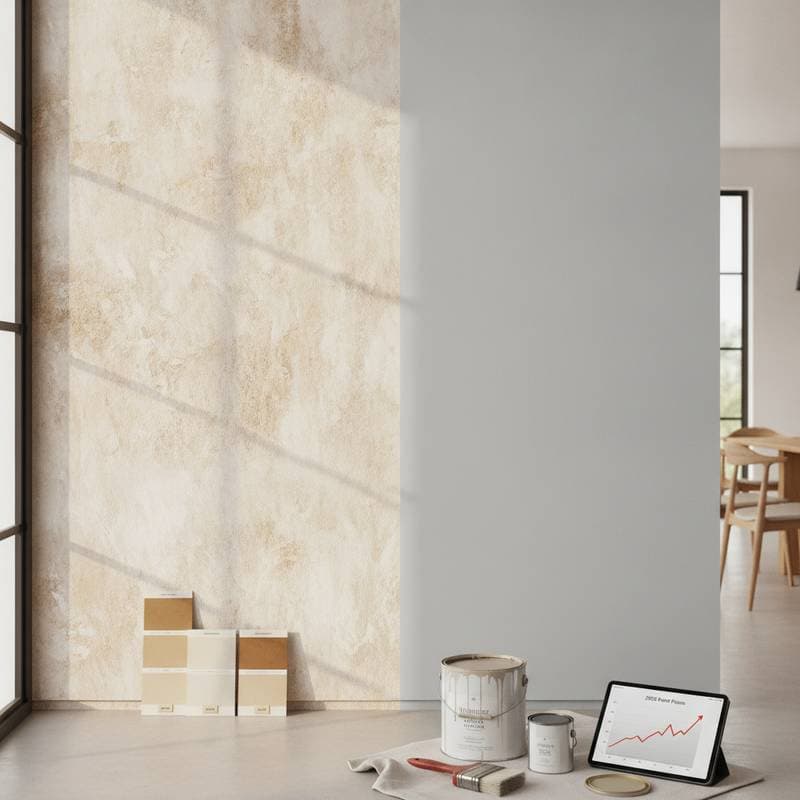
- Specialty finishes like metallic or limewash: $3 to $5 per square foot
- Lighting adjustments to match new paint: $300 to $1,000
Factors That Affect Final Cost
| Factor | Cost Impact | Examples |
|---|---|---|
| Paint quality | Moderate | Premium paints with superior pigments cost more but provide better coverage |
| Surface condition | High | Damaged or textured walls demand extra labor |
| Room size | Direct | Larger areas require additional paint and time |
| Lighting type | Moderate | LED versus incandescent affects color perception |
| Color depth | Variable | Darker shades often need multiple coats |
Why LRV Matters in Real Homes
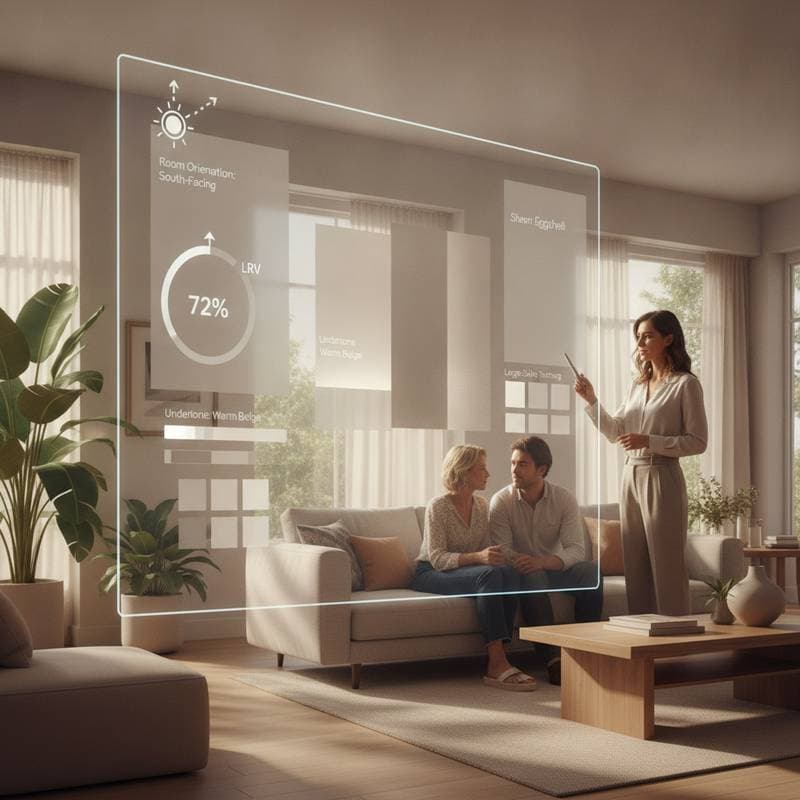
Lighting varies by home orientation and layout. North-facing rooms receive cooler, subdued light that can mute colors; higher LRV paints counter this effect for equilibrium. South-facing areas benefit from mid-range LRVs to temper intense sunlight and sustain comfort.
In open layouts, uniform LRV across adjoining rooms preserves flow. Coordinating values between a hallway and living area creates seamless transitions, avoiding abrupt shifts in brightness.
Professional vs. DIY Painting Decisions
Painting appears straightforward, yet precision in color and finish demands expertise.
When to Hire a Professional
- Large or multi-room jobs requiring uniform application
- Areas with high ceilings, stairs, or awkward access
- Properties needing pre-paint repairs
- Installations matching LRV to lighting schemes
When DIY Can Work
- Small spaces or accent walls with basic schemes
- Refreshing light colors over similar existing tones
Experts account for primer selection, coat thickness, and technique to optimize reflectance. They adjust on-site lighting for even results. Although DIY reduces expenses, professional services yield durable, consistent finishes.
Setting Realistic Expectations
A standard repaint spans three to five days, from prep to drying. Complex jobs extend timelines with extra coats or fixes. Plan for ventilation, furniture shifts, and cure time before reinstalling items.
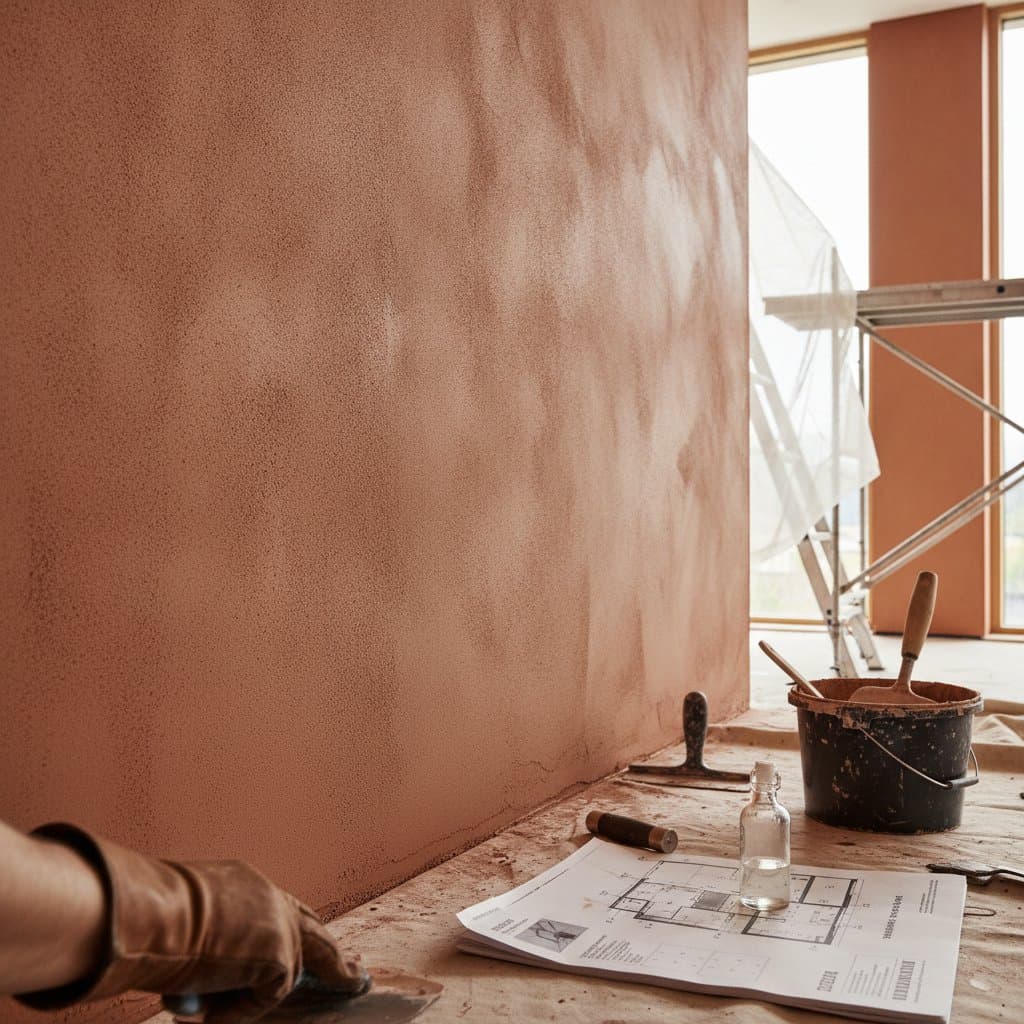
High-LRV paints highlight flaws, necessitating thorough prep. Experts suggest neutral primers for uniform color and reflectance. Such care preserves the vibrancy these colors deliver.
How to Choose the Right LRV for Each Room
Tailor LRV to room functions:
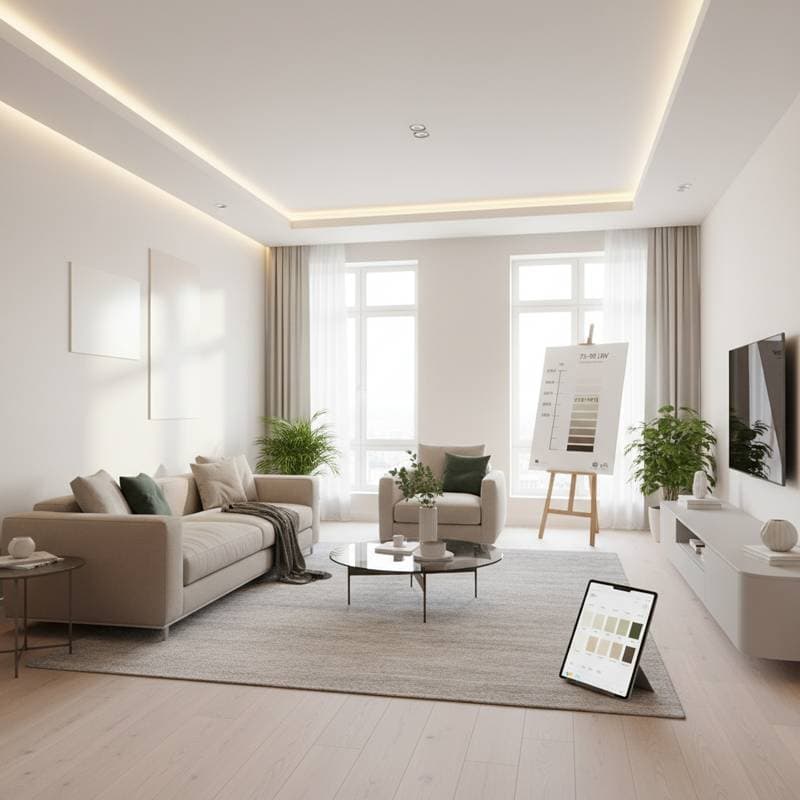
- Living rooms: 65 to 80 for even brightness and ease
- Bedrooms: 50 to 70 for gentle, soothing tones
- Kitchens and bathrooms: 75 to 90 for hygiene and clarity
- Hallways and basements: 70 to 85 to compensate for low light
Test samples under varied conditions: morning sun, afternoon glow, evening lamps. This practice reveals reflectance changes and avoids surprises.
Working With Contractors and Painters
Choose specialists versed in LRV for aligned aesthetic and functional results. Inquire about their background in reflectance and light integration. Examine past projects or sample boards for finish quality.
Contracts must detail:
- Paint brand and exact color code
- LRV for each selection
- Coat count and primer specs
- Cleanup duties and warranty terms
Open dialogue, including photos and light notes, guides painters to precise execution from the initial layer.
Planning Your Project
Assess room illumination first: clean fixtures, update bulbs, track daily natural light patterns. Collect color samples, note LRVs, and affix swatches to walls. Monitor reactions to sun and shade.
For professionals, book consultations to outline ambiance and conditions. Provide inspirations and seek advice on sheens like matte or semi-gloss, which alter LRV perception.
Frequently Asked Questions
1. How does LRV affect paint cost?
Higher LRV formulations use advanced pigments for steady brightness, raising prices by 10 to 20 percent in premium ranges. These offer superior coverage and longevity. Overall expenses hinge on prep and coats.
2. How long does a painting project with high-LRV colors take?
Residential efforts last three to seven days, based on scale, state, and drying. High-LRV options may require extra layers for seamless results, adding minor time.
3. Should I try painting with high-LRV colors myself?
DIY suits minor zones, but even brightness on broad areas proves difficult. Professionals employ tools and adjustments for reliable reflectance. Their involvement ensures superior consistency.
4. What should I ask contractors about when selecting paint colors?
Probe their LRV-light matching expertise. Demand wall-tested samples, brand and finish confirmation, and coat inclusions. Informed providers suggest primers for true reflectance.
5. How do lighting conditions influence LRV performance?
Ambient sources alter LRV views: cool tones sharpen whites and grays, warm ones soften them to creamy shades. Real-condition testing aligns outcomes with daily realities.
6. What are the most common mistakes homeowners make with LRV?
Relying on untested small samples tops errors, alongside neglecting finish impacts and primer roles. Thorough planning and trials avert uneven or disappointing brightness.
Achieving Balanced, Light-Filled Interiors
Mastering Light Reflectance Value equips homeowners to select paints that infuse spaces with clarity, harmony, and vitality. Optimal LRV elevates room dynamics, fostering brighter, fresher, and more livable environments daily.