Why Limewash Paint Texture Outperforms Flat Finishes
Limewash paint has returned to prominence because it delivers warmth, texture, and authenticity that flat finishes lack. This mineral-based coating, derived from slaked lime and natural pigments, creates subtle variations in tone and light reflection. Homeowners and designers select it for interiors that feel lived-in rather than uniform.
The Appeal of Natural Variation
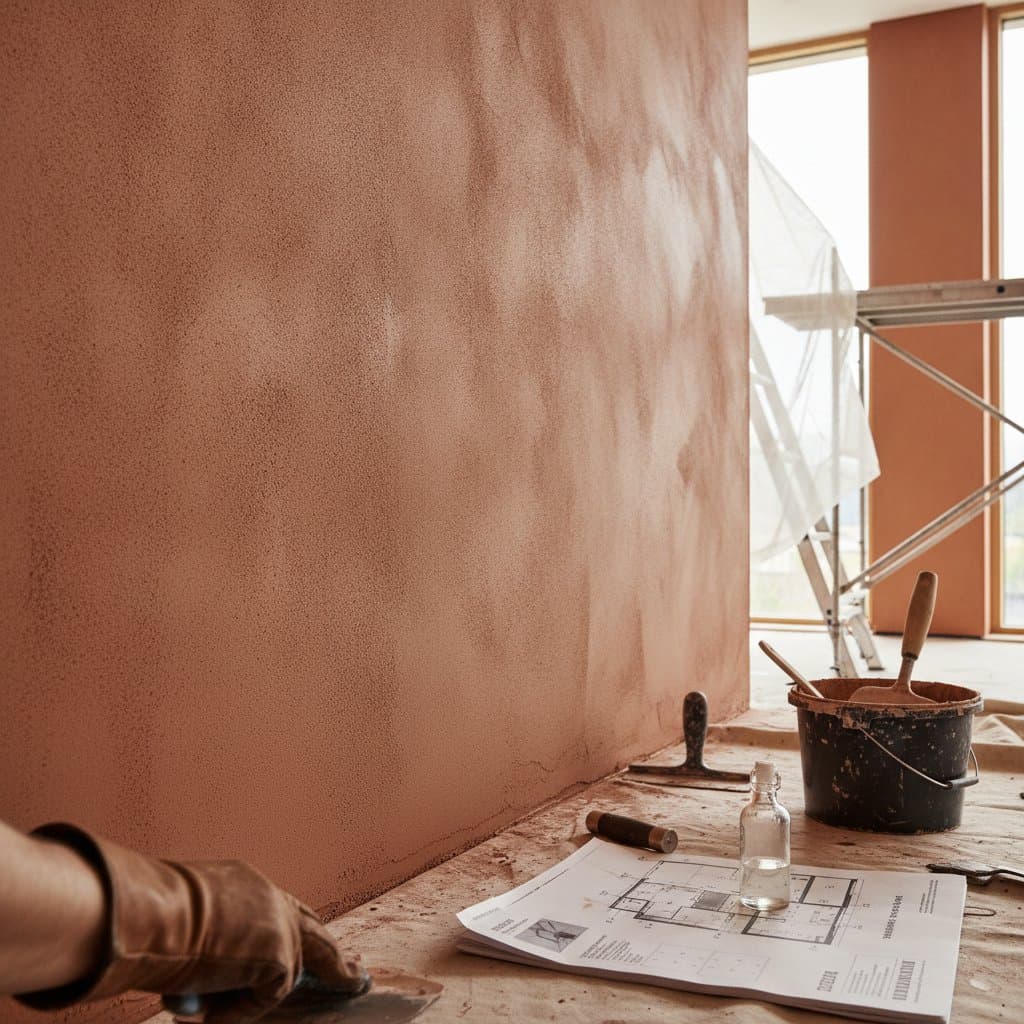
Limewash produces a soft, chalky surface that shifts with changing light throughout the day. The mineral reaction with air forms a breathable layer that allows moisture to escape, which prevents peeling on plaster or brick walls. Each application leaves visible brush marks that add character without requiring perfect uniformity.
Practical Advantages for Different Spaces
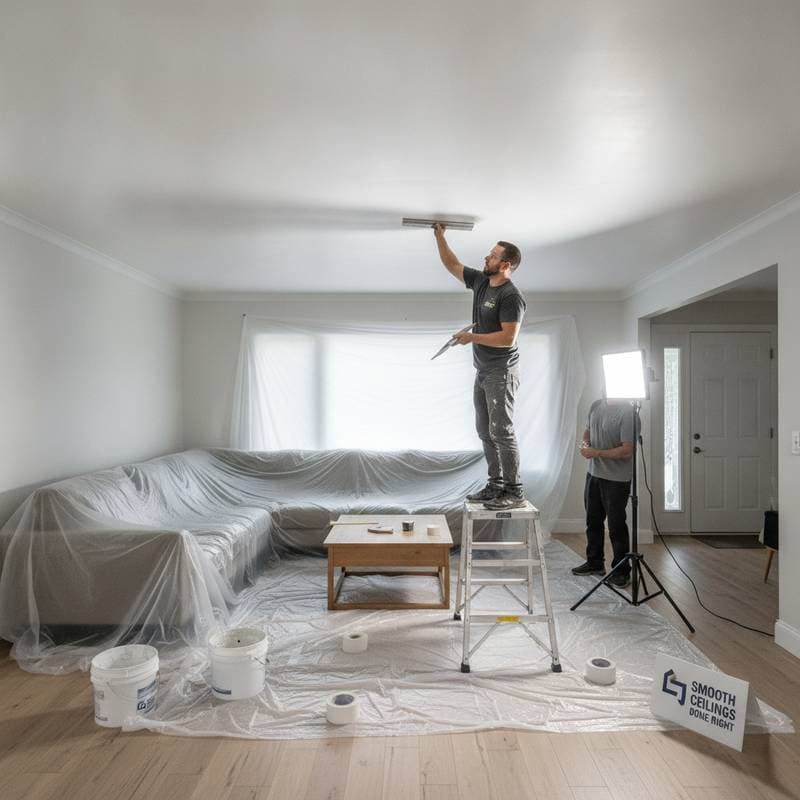
Designers favor limewash on camera because it diffuses light and reduces glare in both studio and residential settings. One coat applied in the morning followed by a second coat after drying transforms a room without additional prep beyond cleaning the surface. The same qualities suit apartments, farmhouses, and minimalist rooms alike.
The coating also provides natural antibacterial properties and contains no volatile organic compounds. It adheres directly to masonry, stone, or raw plaster, which reduces the need for primers or synthetic binders.
Three Budget-Conscious Application Methods
- Test the finish on a single accent wall using a quart of ready-made limewash and a masonry brush. Apply crisscross strokes and allow the surface to dry between thin coats.
- Cover an entire room with two coats of high-quality limewash after taping edges and cleaning the drywall. Budget matches the cost of premium latex paint while delivering greater visual depth.
- Engage a professional for custom pigment mixing and multi-layer application on feature walls or commercial spaces where precise tonal control is required.
Compatible Colors and Materials
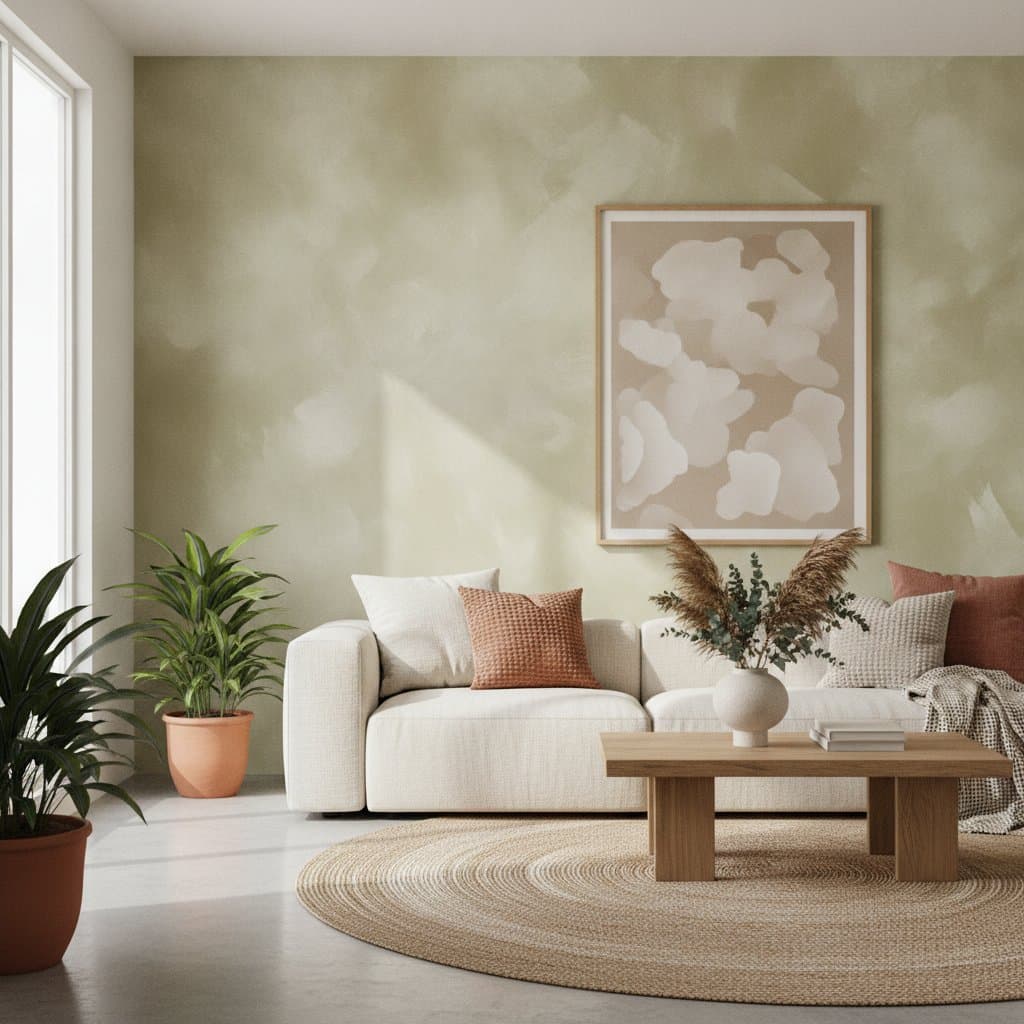
Soft neutrals such as bone, sand, and mushroom create calm backdrops that pair with oak, linen, and jute. Deeper tones like olive or ink blue maintain a matte appearance that avoids harsh contrast. Always apply a test patch and view it under both daylight and artificial light before full commitment.
Simple Maintenance and Touch-Ups
Scuffs on limewash blend with a damp brush and a small amount of the original mixture. High-traffic areas receive a breathable mineral sealer for added protection without altering the matte appearance. Color changes require only a new coat; no sanding or stripping is necessary.
Renters achieve a similar effect with peelable limewash-style coatings or by mounting pre-finished panels behind furniture.
Extending the Finish Beyond Walls
Raw wood cabinets, planters, and fireplace surrounds accept limewash when sealed afterward with matte wax. The finish softens bright surfaces and highlights wood grain while remaining wipeable.
Application Guidelines for Best Results
- Clean and dry all surfaces to ensure adhesion.
- Stir pigment thoroughly before and during use.
- Apply thin coats with a masonry brush rather than a roller.
- Allow full drying time between layers to avoid cracking.
Limewash rewards careful application by developing a richer patina over time. The surface continues to absorb carbon dioxide during curing, which supports sustainable interior choices while providing lasting visual interest.