How Limewash Paint Can Double Your 2025 Project Timeline
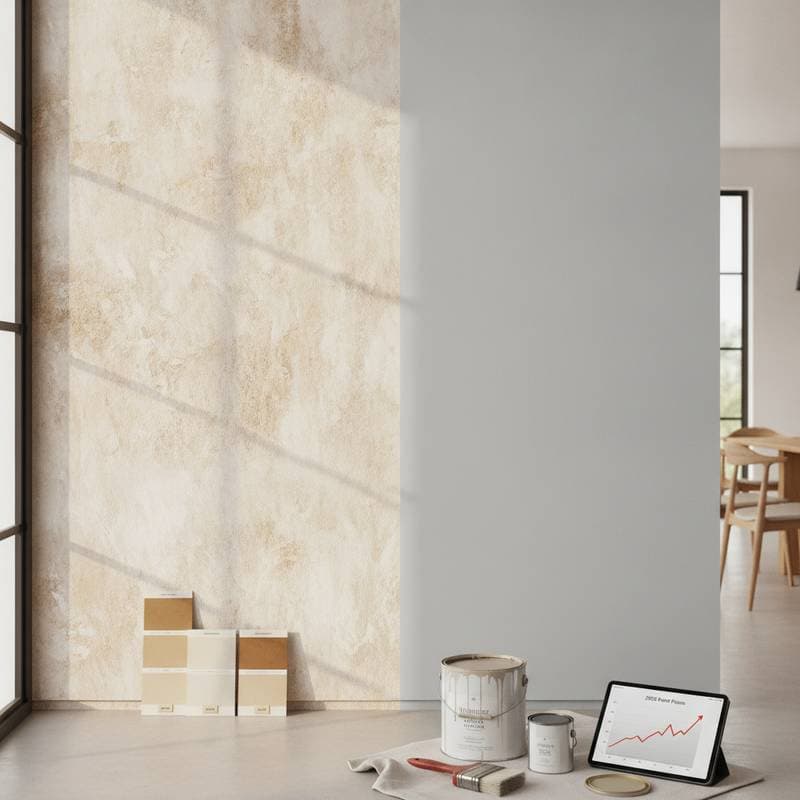
Limewash paint captures attention with its organic texture and subtle matte sheen. This finish imparts a sense of depth and fluidity to walls, surpassing the flat coverage of acrylic or latex alternatives. It aligns seamlessly with contemporary designs emphasizing natural elements and enduring style. Homeowners frequently encounter an unanticipated extension in project duration when selecting limewash. Grasping the factors that prolong the schedule relative to traditional paints supports informed planning, budgeting, and choices.
What Sets Limewash Paint Apart
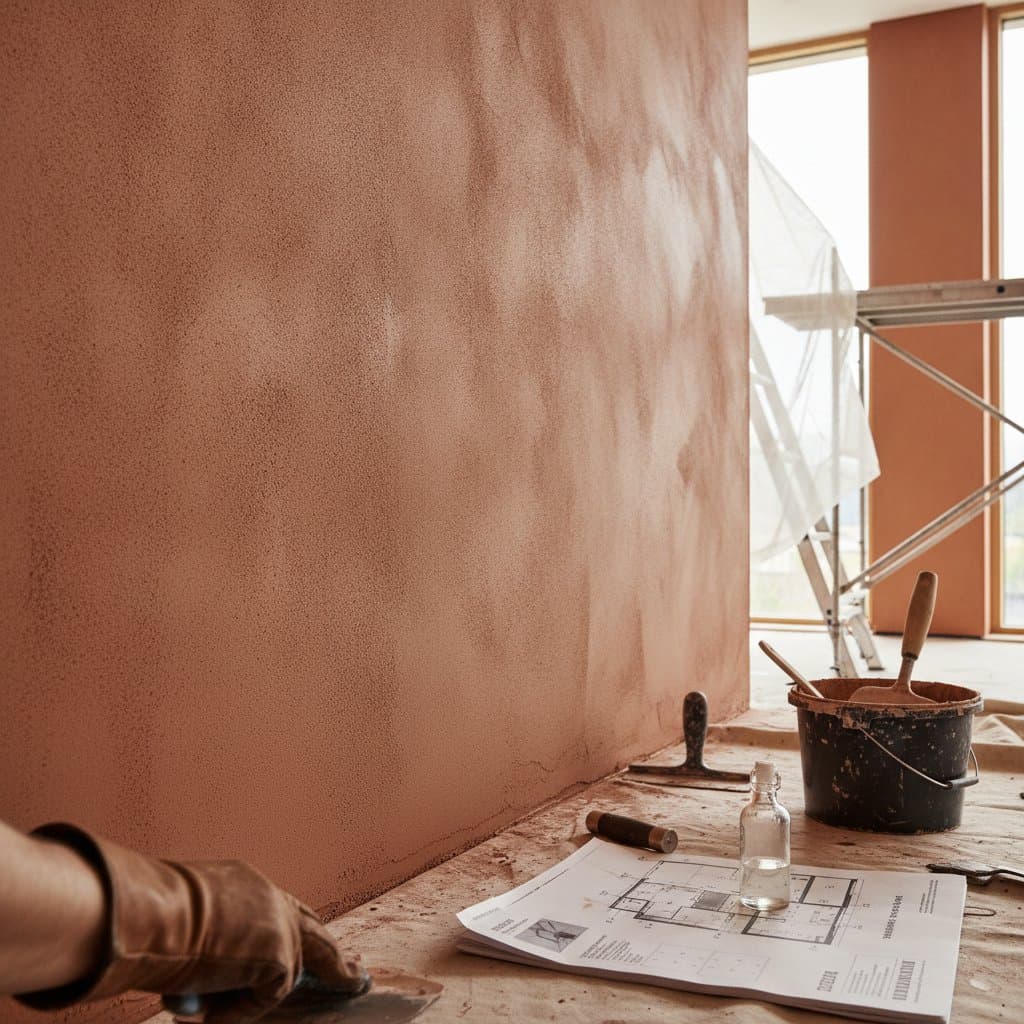
Limewash derives from slaked lime, water, and earth-based pigments. Professionals apply it in sheer layers that integrate into the substrate instead of forming a surface film. This creates a permeable layer permitting vapor transmission, suitable for porous bases like brick, stone, or lime plaster. Unlike conventional paints, limewash follows distinct protocols for readiness, execution, and maturation.
Standard paints solidify via solvent evaporation, often ready in hours. Limewash undergoes carbonation, reacting with atmospheric carbon dioxide to form calcium carbonate. This gradual hardening demands intervals between applications, inherently expanding the overall duration.
Project Cost Breakdown
Average Cost Ranges
- Basic project: $2,000 - $3,500 for small interiors up to 200 square feet
- Standard project: $3,500 - $6,000 for medium rooms or exteriors
- Premium project: $6,000 - $9,000 for custom designs or large surfaces
What's Included
- Thorough surface cleaning and priming
- Multiple translucent limewash layers
- Monitored drying intervals between coats
- Final touch-ups and optional stabilization
What Costs Extra
- Pre-application repairs to cracks or efflorescence ($200 - $800)
- Bespoke color formulations or metallic accents ($300 - $1,000)
- Compatibility primers for non-porous substrates ($150 - $400)
Factors That Affect Final Cost
| Factor | Cost Impact | Examples |
|---|---|---|
| Surface type | Moderate | Brick demands more material than smooth plaster |
| Number of coats | High | Four layers versus two doubles labor hours |
| Curing environment | Moderate | High humidity delays by days, increasing oversight |
| Pigment customization | Low to moderate | Rare earth tones require extended mixing |
Why Limewash Extends the Timeline
Extended Drying and Curing Periods
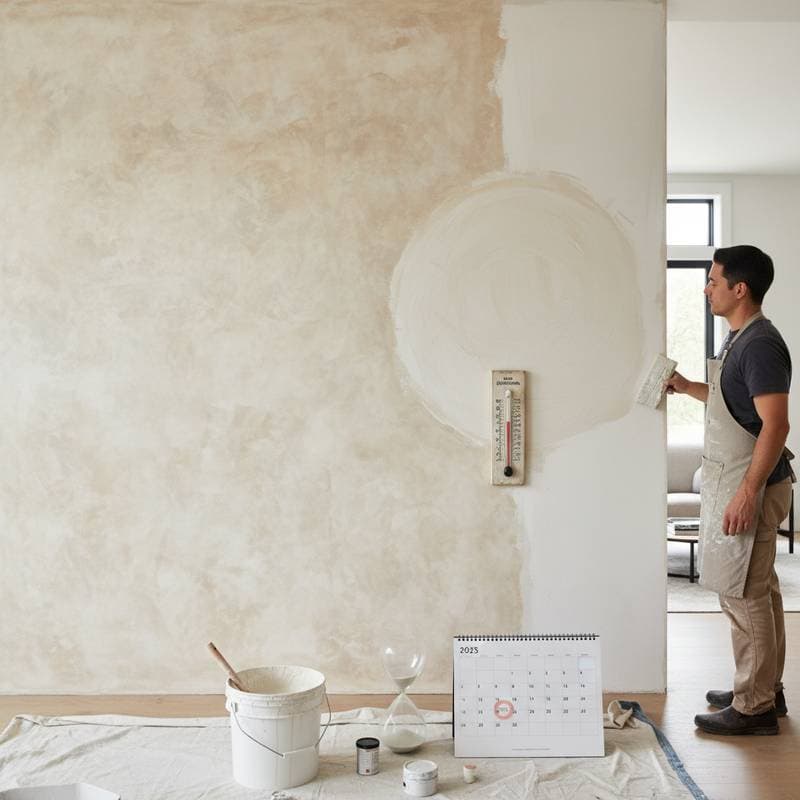
Limewash integrates deeply, requiring each layer to carbonate fully before the subsequent one. A single coat may need 24 to 48 hours to stabilize, depending on ventilation. Traditional latex finishes allow recoating within hours, but limewash typically involves three to five layers over a week. Rushing this risks trapped moisture, leading to defects like efflorescence or delamination.
Additional Surface Preparation
Existing coatings, such as oil-based paints, repel limewash and necessitate removal via sanding or chemical strippers. For masonry, power washing eliminates salts and dirt, followed by misting to activate the surface. These steps, often spanning a full day, promote uniform penetration but add substantial upfront time. Incompatible substrates may require a silicate primer to facilitate bonding.
Skilled Application and Layering
The technique involves cross-hatching with wide brushes to build subtle variations in tone and opacity. Wet edges blend continuously to prevent visible overlaps, demanding constant attention. Coverage assessment occurs post-curing, prompting selective additional passes for harmony. This iterative method, reliant on artisan expertise, precludes rapid completion.
Environmental Sensitivity
Optimal carbonation thrives at 50 to 70 degrees Fahrenheit with moderate humidity. Excessive heat accelerates surface drying without full reaction, causing chalkiness. Cool, moist air prolongs the process, sometimes by days. For outdoor applications, crews monitor forecasts and use protective tarps, which can shift schedules unpredictably.
Professional vs. DIY Approach
When to Hire a Professional
Engage experts versed in lime-based systems for reliable outcomes. They calibrate coat timing, maintain substrate hydration, and secure uniform aesthetics. Alkaline properties demand safeguards for nearby fixtures, like masking trim or covering floors, which pros handle efficiently.
When DIY Makes Sense
Test limewash on modest features, such as a powder room feature wall or fence panel, if you commit to deliberate pacing. Source quality hydrated lime and pigments affordably, yet anticipate trial runs to master dilution ratios. Larger scopes risk inconsistencies in depth or adhesion without practice.
Cost Comparison
DIY material outlays range from $150 to $400 for 100 square feet, covering lime, pigments, and tools. Professional services charge $2 to $8 per square foot, factoring expertise and warranties. Opting for pros minimizes rework expenses, which could escalate DIY totals if adhesion fails.
Timeline Expectations
Preparation Phase
Assess and cleanse surfaces, stripping residues and testing pH levels, over one to three days. Rough masonry extends this versus prepared plaster. Final dampening precedes coating to enhance absorption.
Application Phase
Allocate four to six hours per coat, followed by 24-hour cures. Three-coat interiors span five to seven days; exteriors with detailing may reach ten days. Track progress with moisture meters to confirm readiness.
Curing and Finishing Phase
Post-application, allow three to five days for full hardening before light use. Apply breathable sealers if desired, once stable. Refrain from cleaning or furnishing until two weeks elapse for optimal strength.
Contractor Selection and Working Process
Research and Verification
Seek specialists in lime finishes or heritage preservation. Confirm credentials through state licenses, liability coverage, and visual evidence of past installations. Client testimonials highlight reliability in deadline adherence and issue resolution.
Comparing Quotes
Solicit three to five detailed proposals outlining prep, coats, timeline, and contingencies. Evaluate not just price but inclusions like warranties and material sourcing. Favor transparency on potential delays from weather or substrate issues.
Communication During the Project
Establish weekly updates via calls or site visits to track milestones. Define protocols for adjustments, such as extra coats for desired opacity. Clear channels prevent surprises and foster collaboration on finish preferences.
Planning Your Project
Initiate with a site evaluation to gauge surface compatibility and environmental factors. Draft a phased schedule incorporating buffer days for curing. Budget 20 percent above estimates for variables like custom shades. Coordinate with interior timelines, selecting limewash for moisture-prone zones like basements.
Frequently Asked Questions
Why does limewash take longer to apply than regular paint?
Limewash cures via carbonation, a chemical bond with air that spans days per layer. Conventional paints evaporate solvents swiftly, enabling same-day recoats. This fundamental difference necessitates patience for limewash's layered build.
How much more should I budget for limewash compared to regular paint?
Labor doubles due to extended applications and waits, pushing rates to $2 through $8 per square foot. Materials remain comparable, yet total outlay reflects the specialized process and skill required.
Can I apply limewash over existing paint?
Prepare by abrading or priming with a lime-compatible agent to expose porosity. Direct application over sealed surfaces fails, resulting in poor grip and failure. Test small areas post-prep for assurance.
How long does a limewash finish last?
Interiors endure 10 years with minimal upkeep; exteriors five to eight years under varied exposure. It weathers gracefully, gaining patina that enhances appeal over time.
When should I choose a professional over a DIY approach?
Select pros for expansive or intricate work, where precision in timing and technique ensures longevity. DIY suits experimental small-scale trials but falters on demanding projects.
What are common problems during limewash projects?
Challenges arise from insufficient curing, yielding streaks, or imbalanced moisture, causing blooms. Mitigate by thinning mixes appropriately, honoring dry times, and pre-wetting evenly.
Achieving Timeless Walls with Strategic Planning
Embracing limewash commits you to a deliberate pace, yielding surfaces that regulate humidity and evoke heritage. By anticipating extended phases and partnering with knowledgeable teams, your 2025 vision materializes in a finish that ages with grace. This investment in authenticity elevates spaces beyond fleeting trends.