Why Lime Wash Paint Costs 3x Regular
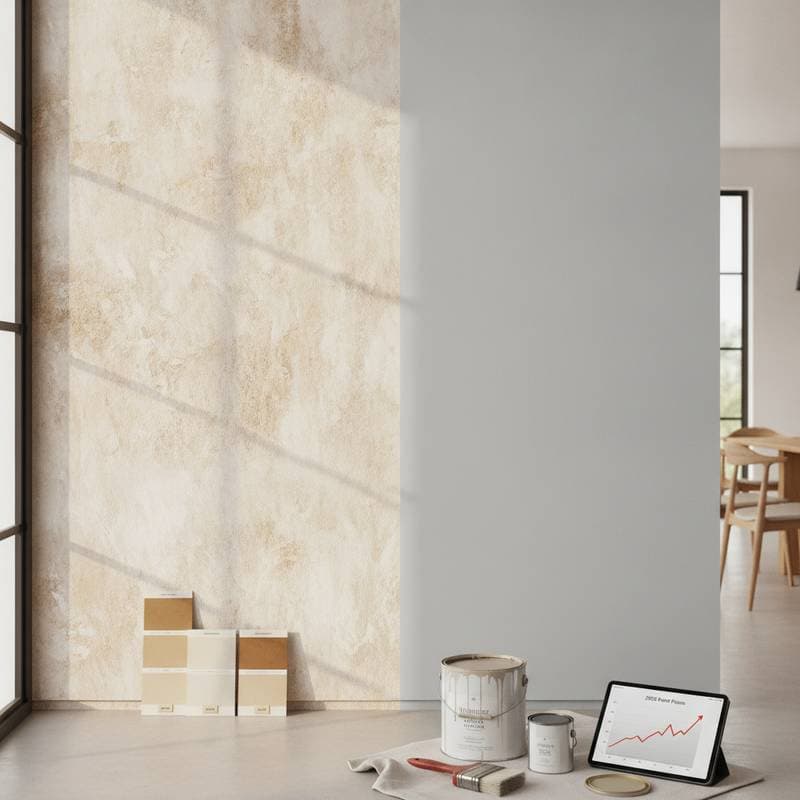
Lime wash paint has gained strong popularity among homeowners who want a natural, matte, and textured finish that feels both timeless and modern. Many are surprised, though, when they learn that lime wash can cost roughly three times more than conventional interior or exterior paint. The reason is not simple markup. The cost difference comes from the materials, labor, and processes that make lime wash unique. Understanding these elements helps homeowners set realistic budgets and make informed decisions when planning a lime wash project.
What Makes Lime Wash Different
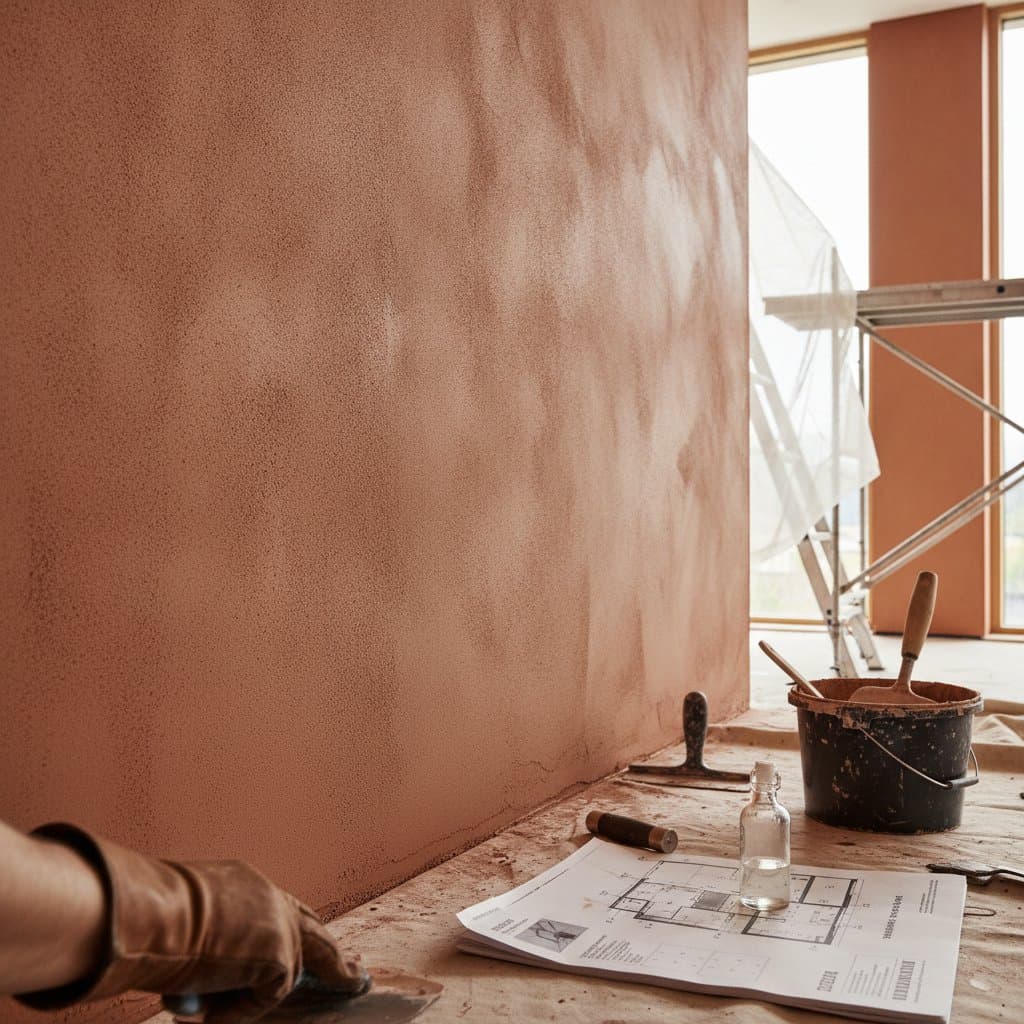
Lime wash is made from crushed limestone that is processed into lime putty, then mixed with water and natural pigments. This mineral-based formula creates a surface that breathes and ages gracefully. Unlike standard acrylic or latex paints that sit on top of a surface, lime wash penetrates the material, bonding with it chemically. This creates a finish that develops subtle variations in tone and texture as it cures.
The result is a soft, organic look that cannot be replicated with synthetic paint. That distinctive aesthetic comes at a higher cost because the application process is more complex and the materials require specialized handling.
Project Cost Breakdown
Average Cost Ranges
- Basic lime wash project: $6,000 - $9,000
- Standard project: $9,000 - $14,000
- Premium project with custom tinting and texture work: $14,000 - $20,000
These prices reflect full labor and material costs for an average-sized home interior or exterior surface.
What's Included
- Surface preparation and cleaning
- Primer or mineral basecoat application
- Multiple lime wash layers with drying periods
- Custom tinting and blending for color consistency
- Final touch-up and cleanup
What Costs Extra
- Repair work on damaged or uneven surfaces
- Custom pigment creation or imported lime materials
- Scaffolding or difficult access areas
- Protective sealing where required for moisture resistance
Factors That Affect Final Cost
| Factor | Cost Impact | Examples |
|---|---|---|
| Material quality | Higher-end lime or imported pigments increase cost | European lime brands or natural oxides |
| Surface type | Porous materials absorb more product | Brick, plaster, stucco |
| Application complexity | Multi-coat finishes take longer | Layered color effects or textured looks |
| Labor skill | Experienced artisans charge more | Professional lime wash specialists |
Why Labor Drives the Price
Lime wash requires a slower, more deliberate application than regular paint. Each coat must be applied with a specific brush technique to achieve the desired texture. Timing between coats is critical because the lime must partially absorb into the surface before the next layer is added. The painter’s skill directly affects the final appearance.
A typical latex paint job might take one or two coats with quick drying times. Lime wash often requires three or four passes with extended curing periods. This alone can double or triple labor hours. Professional lime wash painters also undergo specialized training, which increases their hourly rates. The difference shows in the finish, durability, and depth of color.
Material Costs and Availability
Traditional lime wash uses natural lime putty that must mature for several weeks before use. Few manufacturers produce it on a large scale, which limits supply and raises prices. Pigments are often mineral-based and more expensive than synthetic colorants.
In addition, lime wash cannot be stored for long periods once mixed. Contractors must prepare only what they can apply in a short timeframe, leading to extra preparation time and material waste management. These logistical factors add to the overall price.
Durability and Maintenance Value
Although lime wash costs more upfront, its long-term value can offset some of that premium. Lime is naturally antibacterial and resistant to mold. It also allows moisture to evaporate, which helps preserve masonry or plaster beneath it. When maintained properly, lime wash can last many years before needing reapplication.
Unlike standard paint that peels or chips, lime wash gradually fades and patinas. Many homeowners appreciate this aging process, as it gives walls a lived-in character. When it does need freshening, a new coat can be applied without stripping the old one, reducing future labor costs.
Professional vs. DIY Application
Skill Requirements
Lime wash might appear simple, but achieving an even, attractive finish requires advanced skill. Uneven absorption can cause streaking or patchiness. Professionals use specialized brushes and blend colors by hand to create natural variation without harsh transitions.
Time Investment
A DIY painter could spend many days on preparation and application. Professionals can complete the same area more efficiently and with consistent results. Time savings can outweigh the hourly rate difference for many homeowners.
Equipment and Safety
Lime is an alkaline material that requires protective gloves and eyewear during mixing and application. Improper handling can damage surfaces or cause irritation. Professionals know how to manage these risks safely.
Quality Expectations
Professional lime wash finishes tend to have better depth, smoother color blending, and longer durability. For small accent walls or decorative projects, DIY may be reasonable, but full-scale interiors or exteriors usually warrant expert handling.
Contractor Selection and Project Planning
When hiring someone for a lime wash project, homeowners should verify experience specifically with mineral-based finishes. Ask for photos of past work, details on materials used, and references from previous clients. Lime wash is a niche specialty, so not every painter is qualified.
Request a written estimate that outlines surface preparation, number of coats, pigment sources, and protection measures. Reliable contractors also explain maintenance recommendations and provide clear timelines. Always confirm that the contractor carries proper insurance and follows safety regulations.
Planning Your Project
Preparation is key to a successful lime wash finish. Surfaces must be clean, dry, and free from old synthetic coatings. If the walls are already painted with latex or oil-based paint, a compatible mineral primer may be required. Plan for adequate drying time between coats, and allow for natural variation in color as the lime cures.
Homeowners who appreciate texture and authenticity will find lime wash rewarding. The higher cost reflects craftsmanship, natural materials, and a lifespan that often surpasses ordinary paint. With the right contractor and realistic expectations, lime wash can provide a beautiful, sustainable finish that enhances any home.
Frequently Asked Questions
1. Why does lime wash cost more than regular paint?
Lime wash costs more because of expensive materials, longer application times, and higher labor skill requirements. Each coat must be applied carefully, and specialized lime-based products are harder to source than standard paint.
6. What maintenance does lime wash need over time?
Lime wash ages naturally and may need refreshing after several years. Maintenance usually involves cleaning the surface gently and applying another thin coat to restore depth and color.