Why Lime Wash Provides Texture for 2026 at Lower Cost
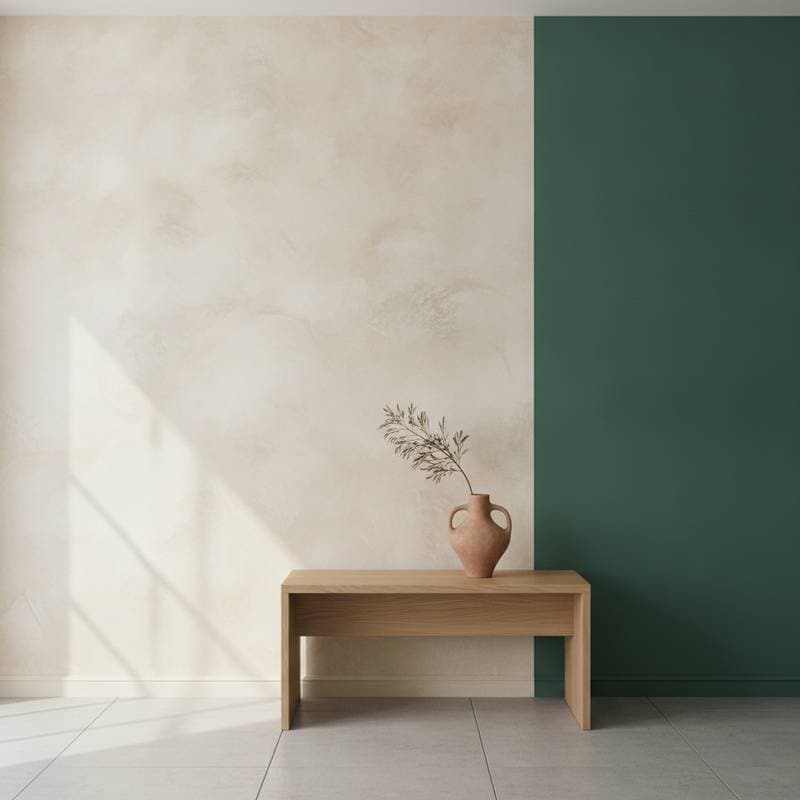
Homeowners seek wall finishes that feel natural and textured. Lime wash meets this need while remaining budget friendly. Its mineral base creates a matte surface that ages gracefully. This approach aligns with 2026 trends favoring organic depth over uniform sheen.
The following sections define lime wash, compare it to alternatives, outline costs, and guide selection of application methods.
Composition and Distinct Qualities
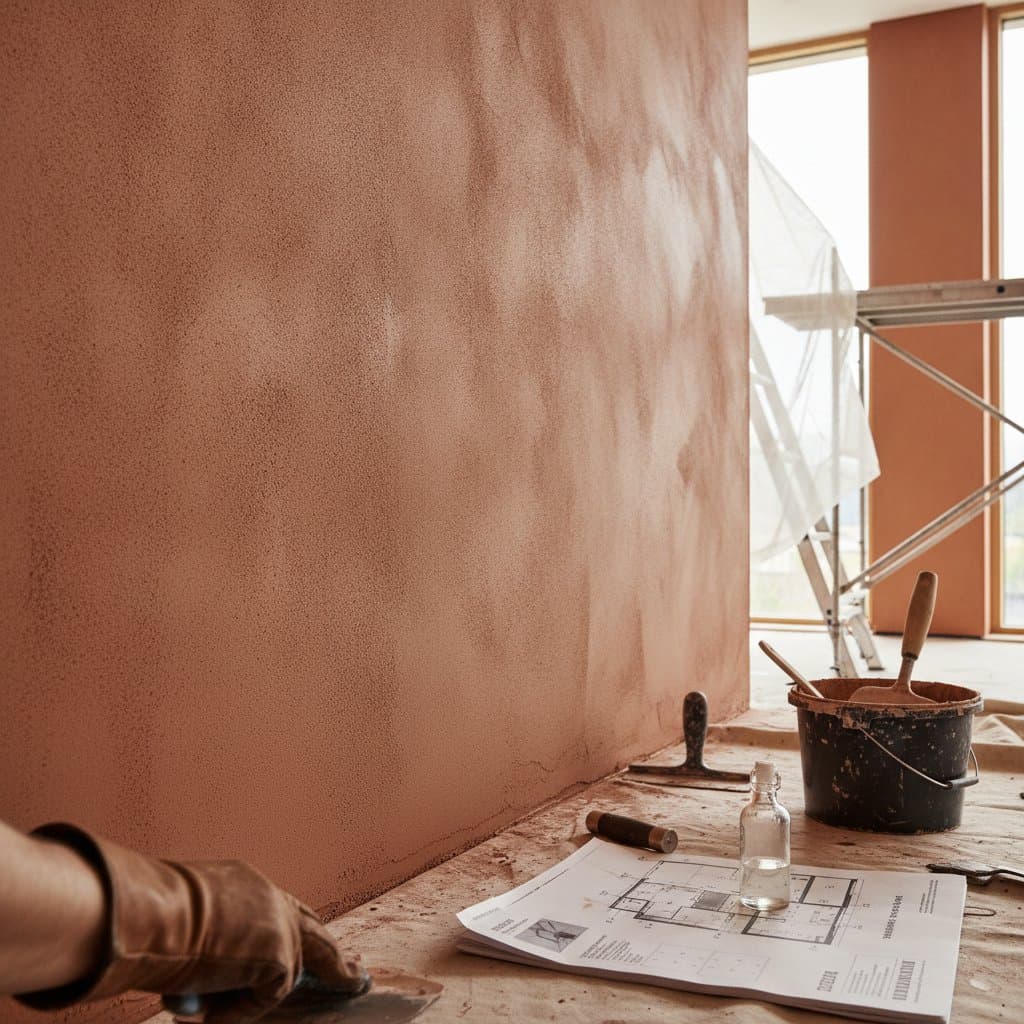
Lime wash begins with limestone heated and slaked into a mineral slurry. Application allows carbonation that bonds the material directly to the substrate. The finish develops soft variations as light moves across the surface.
This paint penetrates rather than coats. Breathability supports moisture balance on brick, plaster, and stone. Prepared drywall accepts it after a mineral primer. Natural texture arises from the material itself rather than added aggregates.
Cost Ranges and Inclusions
Basic interior coverage starts at three to five dollars per square foot. Standard work with two coats and light preparation falls between six and nine dollars. Premium exterior or multi coat projects reach ten to fourteen dollars.
Every quote covers cleaning, base preparation, two finish coats, and final protection where required. Additional charges appear for masonry repairs, custom pigments, or difficult access. Surface condition, labor location, and project scale shift the final total most noticeably.
Comparison to Other Textured Finishes
Venetian plaster and acrylic texture systems often exceed twelve dollars per square foot. Lime wash reaches comparable visual depth with fewer layers and less product. Natural mottling accepts minor surface variation, which reduces correction time.
Fewer synthetic additives lower material expense. Two or three thin coats suffice for full coverage. Professionals value the material for speed and forgiving application characteristics.
Project Duration
Interior rooms of average size reach completion in three to five days. Preparation occupies the first day. Application of successive coats follows on the next one or two days. Curing time accounts for the remainder before occupancy.
Exterior work extends the schedule due to cleaning requirements and weather windows. Consistent moderate temperatures produce even carbonation.
Application Choices
Homeowners with intermediate painting experience can attempt small rooms. Proper mixing viscosity and overlapping strokes determine success. Visible lap marks result from inconsistent technique.
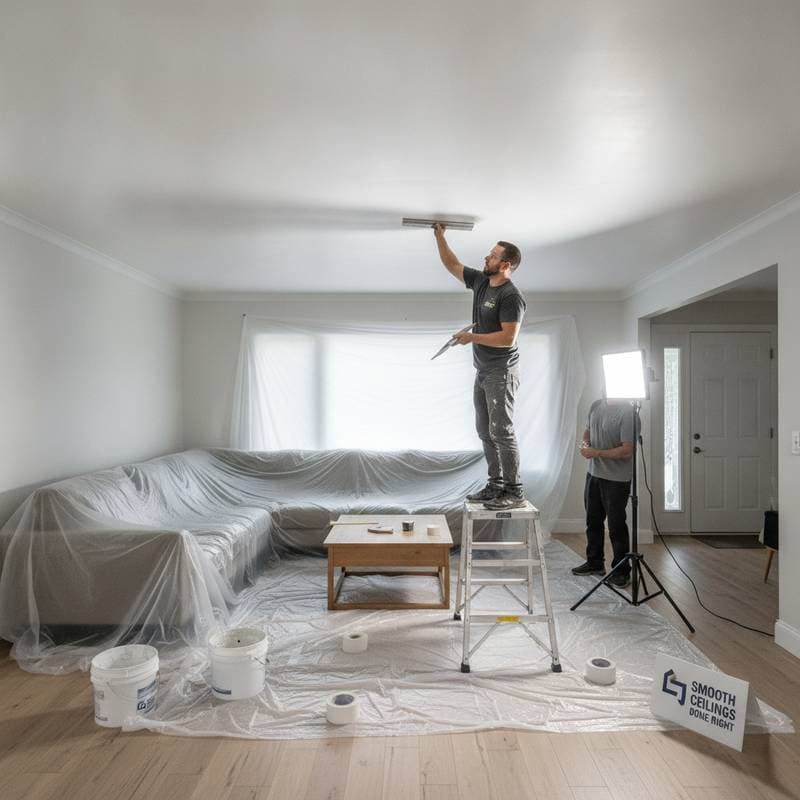
Licensed contractors supply consistent results on larger surfaces. They maintain access to trade grade lime products and understand substrate compatibility. Professional work also includes proper masking and site cleanup.
Contractor Selection Steps
Review completed projects that feature lime wash specifically. Confirm current licensing and insurance documentation. Request line item quotes that separate preparation, materials, and labor. Ask for test patches on the actual wall before full commitment.
Written agreements should list coat counts, curing expectations, and any maintenance guidance.
Surface Readiness
Ideal substrates include brick, plaster, and stucco. Painted drywall requires a compatible primer first. All surfaces need removal of dust, oils, and loose material. Moderate humidity supports proper curing.
Exterior timing avoids direct sun and precipitation. Temperature stability prevents uneven drying across the elevation.
Common Questions
Surface repairs and pigment selection drive most price differences. Straightforward interior walls remain near the lower end of published ranges. Application begins with masking and mixing, followed by thin coats that build gradual texture. Occupants return once the final coat has dried to the touch.