Venetian Plaster Costs: Professional Pricing Versus DIY Considerations
Venetian plaster transforms plain walls into surfaces with depth, light reflection, and a luxurious texture. Its polished finish creates a timeless appearance that enhances both modern and traditional interiors. Many homeowners hesitate once they discover the investment required to achieve that smooth, stone like surface.
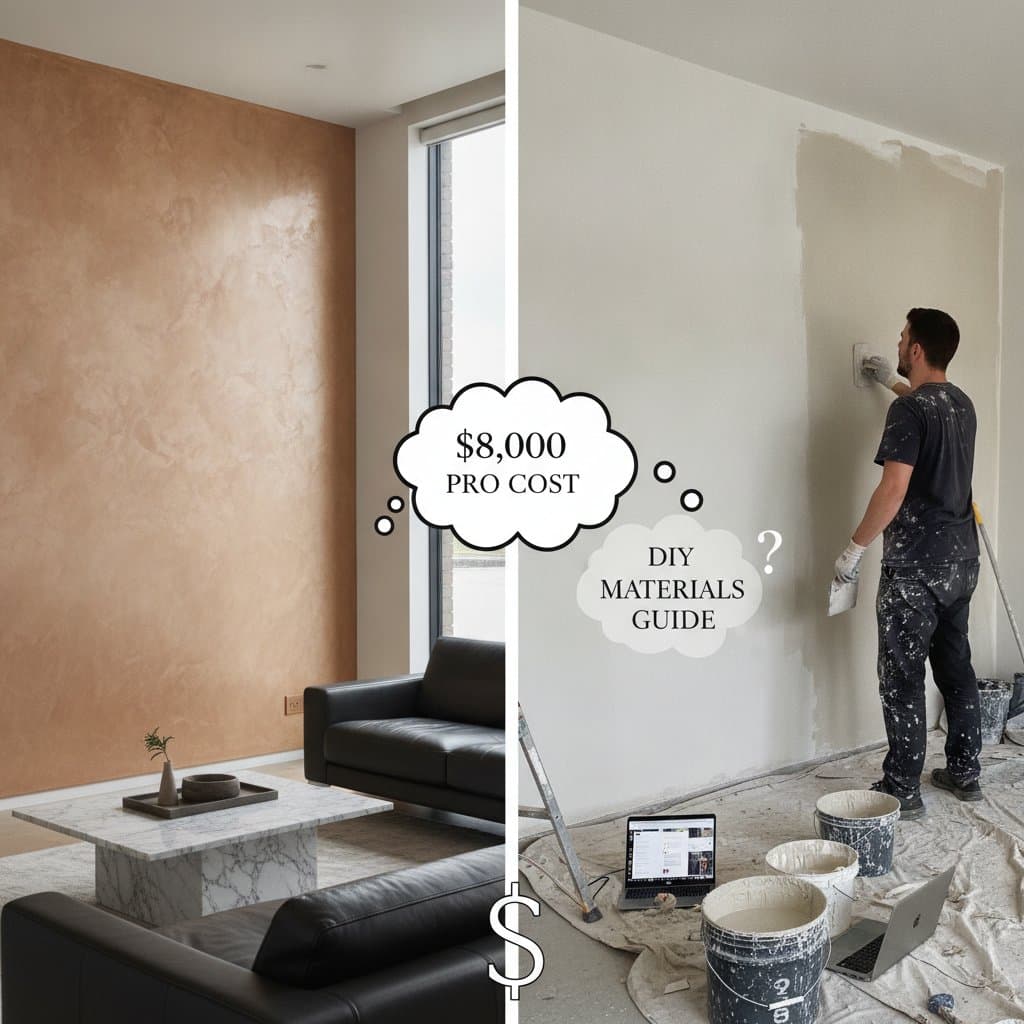
Professional Venetian plaster work often runs around 8000 dollars for a full home project. Do it yourself options may seem cheaper at first glance. Understanding what goes into those prices helps homeowners decide which route truly fits their goals and budget.
Average Cost Ranges by Project Size
- Small project (accent wall or bathroom): 1500 to 3000 dollars
- Medium project (living room or bedroom): 4000 to 6000 dollars
- Large project (multiple rooms or open spaces): 7000 to 10000 dollars
Cost Breakdown per Square Foot
Venetian plaster typically costs 10 to 25 dollars per square foot when completed by a professional artisan. This price includes materials at 3 to 7 dollars per square foot, labor at 7 to 15 dollars per square foot, preparation and repair at 2 to 4 dollars per square foot, and sealer and finishing at 1 to 3 dollars per square foot. DIY materials alone cost around 2 to 5 dollars per square foot. Missing the skill and technique of a trained plaster artisan can lead to uneven texture, poor adhesion, and wasted material.
Factors Affecting Venetian Plaster Costs
Several key factors influence the total cost of Venetian plaster projects. Knowing these details makes it easier to plan an accurate budget and compare quotes.
Type of plaster material. Traditional lime based Venetian plaster costs more than synthetic or acrylic alternatives. Lime plaster creates a mineral based surface that hardens over time and offers depth and movement that cheaper mixes cannot match. Synthetic versions are easier to apply but lack the same natural luster.
Surface preparation. Walls must be perfectly smooth before plaster application. Cracks, holes, and texture removal add hours of labor and increase cost. Preparation can add 1 to 3 dollars per square foot depending on wall condition.
Finish technique. The desired finish directly affects cost. A simple matte look requires fewer layers. A high gloss burnished surface may take multiple coats and hand polishing. Complex color layering or custom tinting also adds time and material expense.
Room size and layout. Smaller areas with intricate corners or high ceilings require more detail work per square foot. Large open walls are faster to complete and reduce labor intensity. Accessibility influences setup time and overall efficiency.
Regional labor rates. Cost varies by market conditions and local demand for skilled artisans. Areas with fewer plaster specialists often carry premium pricing due to limited availability.
Detailed Cost Analysis by Finish Type
| Finish Type | Basic Range | Standard Range | Premium Range | Key Differences |
|---|---|---|---|---|
| Matte finish | 8 to 12 dollars | 12 to 18 dollars | 18 to 22 dollars | Basic matte uses fewer layers and minimal burnishing |
| Satin sheen | 10 to 14 dollars | 14 to 20 dollars | 20 to 25 dollars | Polished for subtle reflection and smoother texture |
| High gloss | 12 to 16 dollars | 16 to 22 dollars | 22 to 28 dollars | Multiple layers, hand polishing, and rich depth |
| Textured finish | 9 to 13 dollars | 13 to 18 dollars | 18 to 24 dollars | Added texture or patterns increase labor time |
These ranges include both materials and professional application. Decorative finishes, metallic tints, or color blending can add another 2 to 5 dollars per square foot.
Professional Installation Versus DIY Approach
Many homeowners consider applying Venetian plaster themselves after seeing the material sold at home improvement stores. While DIY kits look appealing, the real outcome depends on experience and patience.
Professional installation requires specialized tools like trowels and burnishers. It includes wall prep, multiple plaster layers, and fine polishing. This approach produces consistent finish, depth, and durability. It often includes warranty or touch up service.
The DIY approach has lower material costs, around 200 to 500 dollars for an average room. It requires practice to achieve smooth, layered texture. Mistakes can lead to uneven surfaces or cracking. Homeowners may need to redo areas, which increases total expense.
In many cases, homeowners attempting DIY plastering end up spending nearly as much as hiring a professional once corrections, wasted materials, and time are factored in. The true savings depend on skill level and willingness to accept minor imperfections.
Value and Return on Investment
Venetian plaster provides value beyond aesthetics. It adds a unique, durable surface that can last decades with minimal maintenance. When properly sealed, it resists moisture, mold, and fading. The finish enhances property appeal, especially in high end markets where custom wall treatments are appreciated.
While it may not return its full cost in resale value, it contributes to an overall sense of luxury that distinguishes a property from others. Long term benefits include reduced repainting frequency compared to standard paint, natural breathability that improves indoor air quality, superior durability against scuffs and scratches, and timeless visual appeal that supports resale value.
Strategies to Manage Expenses
Homeowners can manage Venetian plaster expenses through smart planning and careful choices. Limit application areas by focusing on accent walls instead of entire rooms. Choose mid tier finishes such as satin or lightly polished surfaces, which cost less than high gloss options. Handle prep work by cleaning and patching walls before the crew arrives to reduce labor time.
Schedule during off peak periods when contractors may offer better rates. Compare multiple bids because pricing varies widely among artisans. Request detailed breakdowns to understand what each includes.
Budget Planning Steps
Budgeting for Venetian plaster involves balancing desired appearance with financial comfort. Start by calculating surface area. Then multiply by a realistic cost per square foot for the finish quality you want. Add a 10 to 15 percent contingency for potential repairs or material waste.
Discuss color and texture options early with your contractor to avoid mid project changes that increase cost. If you decide to experiment with DIY application, start small on a sample wall before committing to entire rooms.
Common Questions About Venetian Plaster
Professional Venetian plaster typically ranges from 10 to 25 dollars per square foot, or about 8000 dollars for an average home project. DIY materials cost around 2 to 5 dollars per square foot, but quality varies widely depending on skill.
Spring and late fall often bring more competitive pricing since professional painters and plasterers have fewer large jobs. Booking early can secure better rates and scheduling flexibility.