The Must-Have Tool to Avoid Paint Disasters in 2026
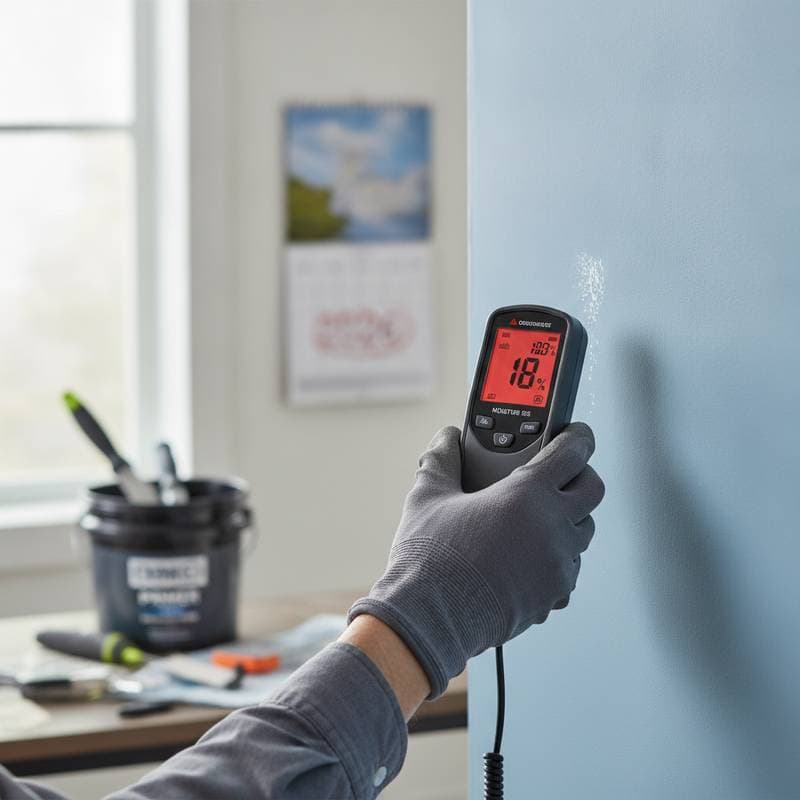
Every homeowner dreams of a flawless paint job that looks smooth, vibrant, and long-lasting. Yet many discover bubbling, peeling, or discoloration shortly after application. Moisture trapped in walls, ceilings, or siding often causes these failures. A moisture meter detects this hidden dampness before paint is applied.
This device has become essential for professional surface preparation on both interior and exterior projects. It prevents costly rework, wasted materials, and early deterioration. Homeowners benefit from understanding how moisture detection works, typical costs, and how to apply the results.
Average Project Costs
Basic handheld meters for DIY use range from 25 to 75 dollars. Professional inspections that include moisture mapping and reports cost between 150 and 400 dollars. Comprehensive preparation and remediation, when repairs or drying become necessary, range from 500 to 2000 dollars.
Services typically include assessment with pin or pinless meters, identification of damp areas, documentation of readings, and evaluation of surface readiness. Additional expenses may arise for wall repairs, mold treatment, extended drying with dehumidifiers, or repeat testing.
Several factors influence final costs. Porous surfaces such as wood siding or plaster retain more moisture. Greater damage extent increases labor and materials. Difficult access points like roof eaves raise prices. Pinless meters offer speed but may add slight expense.
Expected Timeline
A standard moisture inspection requires less than one hour for an average home. Detected moisture extends the schedule through drying and remediation. Minor dampness often resolves in a few days with fans or dehumidifiers. Heavier saturation in insulation or structural materials may require a week or longer. Painting proceeds once readings reach acceptable levels.
Selecting a Qualified Contractor
Homeowners should ask about moisture testing during preparation. Request documentation of moisture levels before work begins. Confirm experience with moisture-related failures and remediation. Verify insurance and licensing. Compare quotes that list surface preparation and moisture testing as distinct items.
Reputable contractors include moisture testing, particularly for exterior or basement work. This step signals commitment to quality and long-term performance.
Common Moisture-Related Failures
Bubbling or blistering develops when water vapor expands beneath the paint film. Peeling or flaking signals poor adhesion from surface dampness. Staining or discoloration often indicates ongoing water intrusion. Mildew or mold appears when moisture persists after painting.
These issues require more than sanding or repainting. Proper detection and correction deliver lasting results and reduce repeat expenses.
Steps Before Painting
Schedule a moisture check before cleaning or priming surfaces. Address any leaks or humidity problems found during testing. Allow adequate drying time even when surfaces appear dry. Document readings to confirm readiness. Partner with professionals who treat moisture detection as a required step.
This approach prevents surprises and supports a durable finish. The investment in detection yields extended paint life and reduced maintenance.
Frequently Asked Questions
How much does a moisture meter cost for homeowner use?
Basic handheld models range from 25 to 75 dollars. Units with digital displays and multiple material settings cost more. Commercial-grade tools used by professionals fall between 200 and 500 dollars.
How long should painting wait after high moisture readings?
Drying time depends on humidity, ventilation, and material. Minor dampness may resolve in several days with air circulation. Significant moisture can require a week or more. Retest before painting to verify acceptable levels.
Can moisture-resistant primer allow painting over slightly damp walls?
Such primers reduce but do not remove failure risk. Painting over damp surfaces can still trap moisture. Testing to confirm full dryness remains the safest practice.
How can previous peeling be traced to moisture?
Patterns near windows, ceilings, or baseboards often point to moisture collection. Bubbling or soft spots under paint also indicate trapped water. A moisture meter confirms whether dampness persists.
Should estimates include moisture testing?
Yes. Inclusion demonstrates focus on quality and long-term adhesion. It shows understanding of the science behind paint performance.
What preventive actions reduce future moisture issues?
Clear gutters regularly, repair leaks promptly, and maintain indoor ventilation. Use dehumidifiers in basements and bathrooms. Check moisture levels before any repainting project.