The Limewash Trend Replacing Flat Paint Finishes
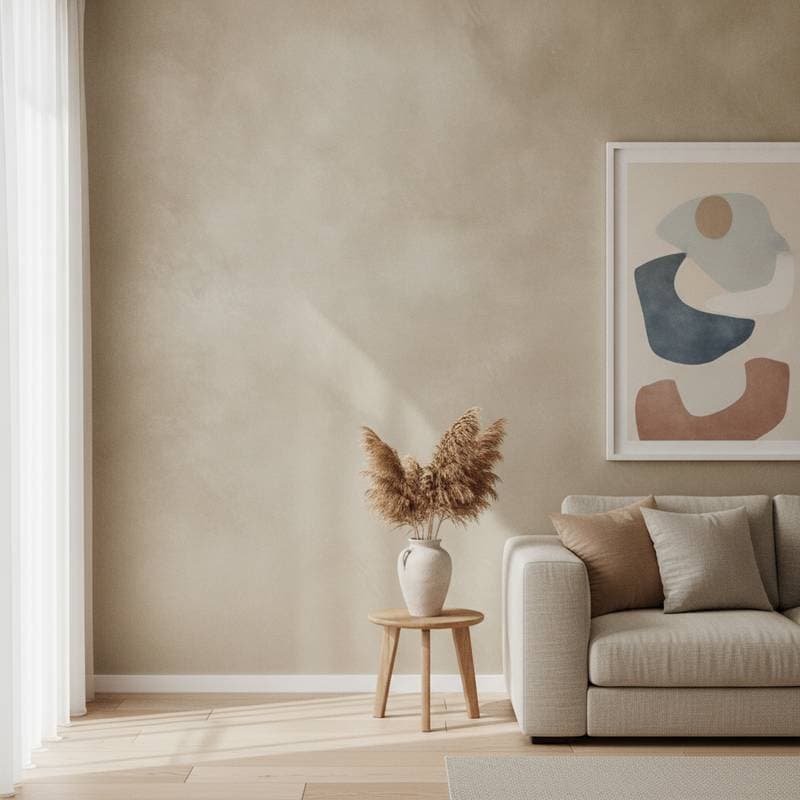
Homeowners once drawn to flat paint now choose limewash for its textured appearance. This mineral finish adds depth and a soft European quality that flat paint cannot match. The approach often costs around 800 dollars for a small room or accent wall. It blends old world charm with modern appeal while remaining breathable and eco friendly.
Understanding Limewash and Its Growing Appeal
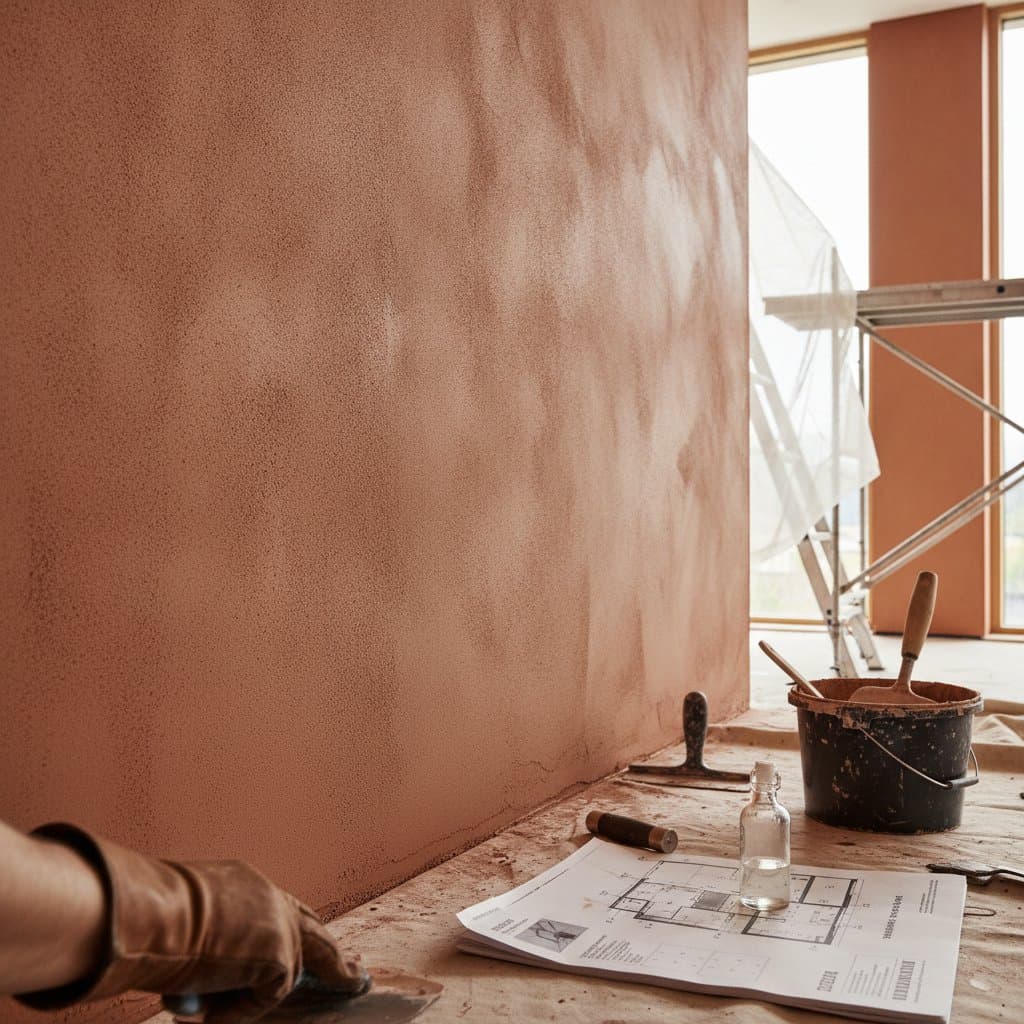
Limewash consists of crushed limestone mixed with water. It penetrates plaster, drywall, or masonry instead of forming a surface layer. As it dries the material produces subtle color shifts that change with light and angle. The matte result offers more movement than standard flat paint.
Homeowners select limewash to escape uniform walls and gain a tactile surface. The coating regulates moisture and provides mild antimicrobial effects. These traits suit older homes and spaces that need natural performance.
Project Cost Ranges and Inclusions
Basic applications for a small room fall between 500 and 800 dollars. Medium rooms or multiple walls typically range from 900 to 1600 dollars. Larger spaces or custom work reach 1700 to 3000 dollars.
Standard service covers surface cleaning, mineral primer, two or three coats, and basic cleanup. Extras such as wall repairs add 100 to 300 dollars. Specialty pigments or sealers increase the total by 50 to 400 dollars depending on scope.
Several factors influence the final price.
| Factor | Cost Impact | Examples |
|---|---|---|
| Wall condition | +100 to +500 dollars | Cracks or uneven plaster |
| Surface area | +1 to 3 dollars per square foot | High ceilings or large rooms |
| Color choice | +50 to +200 dollars | Custom tints or natural pigments |
| Application method | +200 to +800 dollars | Hand brushed versus sprayed |
| Sealing needs | +100 to +400 dollars | Kitchens or bathrooms |
Why Limewash Exceeds Flat Paint Costs
Flat latex paint projects usually total 300 to 600 dollars. Limewash requires more labor because each coat needs specific brush techniques. The mineral binders and pigments also cost more than synthetic alternatives. Skilled application accounts for humidity and temperature to achieve consistent variation.
Step by Step Application Process
Preparation begins with cleaning and possible mineral priming. Glossy surfaces receive light sanding or a bonding agent. This stage lasts several hours to one day.
Application uses wide brushes to lay multiple thin coats. Each layer dries within hours before the next coat blends tonal shifts. One to two days complete an average room.
Curing continues for several days after the final coat. A breathable sealer may protect high moisture zones. Painters then remove coverings and perform touch ups.
Professional Service Versus DIY Options
Large or visible areas benefit from professional application. Historic plaster, custom colors, and moisture prone rooms also warrant expert handling. Contractors charge 2 to 6 dollars per square foot based on complexity.
DIY kits priced at 60 to 150 dollars suit small accent walls or furniture. Success depends on brush technique and even drying. Sample boards help beginners test results before full application.
Selecting a Qualified Painting Contractor
Painting contractors trained in mineral coatings outperform general handymen for limewash work. Request written estimates that detail materials and labor. Ask for portfolios showing texture variation and references from prior clients. Verify licensing and insurance before signing an agreement.
Maintenance and Long Term Performance
Limewash develops gentle patina over time. Dust and bacteria resist buildup on the surface. Mild soap and a soft cloth handle routine cleaning. New coats blend with existing layers during refresh applications.
The breathable finish reduces peeling compared with conventional paint. One additional coat often restores appearance without full repainting.
Planning Your Limewash Project
Measure wall areas and review physical samples before scheduling. Discuss color tones and texture goals with the contractor early. This preparation aligns expectations and supports a durable result that enhances daily living spaces.