The $800 Mistake: Skipping Lead Testing Before Sanding
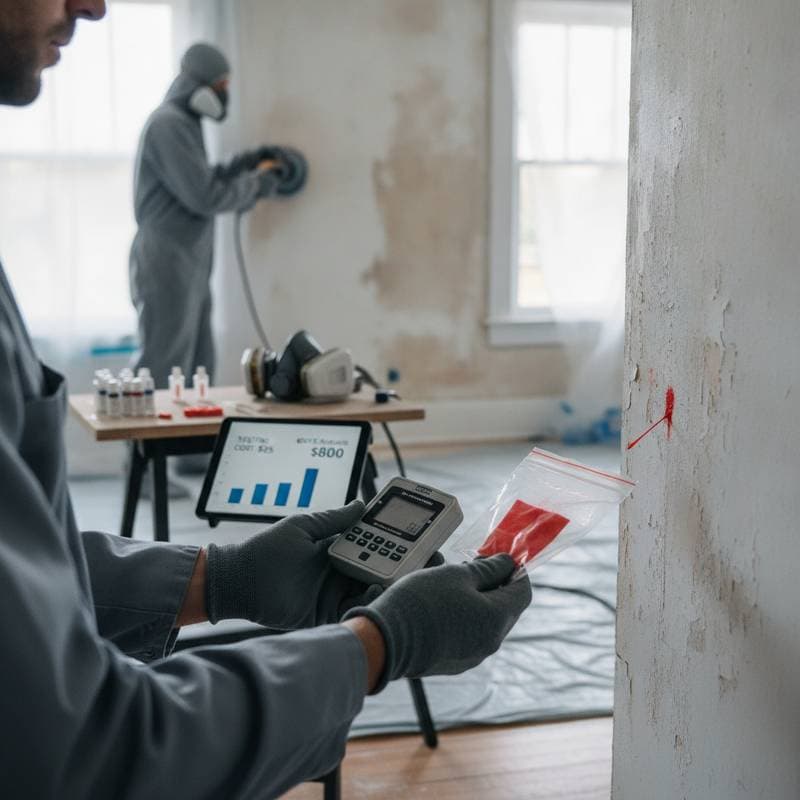
Skipping lead testing before sanding old paint might seem like a shortcut. It can turn into an expensive and hazardous mistake. Many homeowners start surface prep on older homes. They assume that a quick sanding or scraping will finish the job faster. Disturbing old layers of paint without testing for lead first can contaminate the space. It can trigger costly cleanup and create serious health concerns.
A simple test kit or professional assessment costs far less than a cleanup or fine. This guide explains what lead testing involves. It shows why testing matters before any sanding or scraping. It also demonstrates how a small upfront cost can save an estimated $800 or more in remediation expenses.
Why Lead Testing Matters Before Sanding
Homes built before the late 1970s often contain lead-based paint beneath newer layers. Sanding or disturbing this paint releases toxic dust. The dust spreads quickly through the air and onto surfaces. Children and pets remain especially vulnerable. Adults can suffer from exposure if the area is not contained.
Skipping testing leaves uncertainty about hazardous materials. That uncertainty creates two major risks. The financial risk involves cleanup, containment, and fines for improper handling. These expenses often exceed $800. The health risk involves lead dust that lingers in fabrics, vents, and carpets long after sanding ends.
Average Cost Ranges for Lead Testing and Remediation
Average Cost Ranges by Service Type
- DIY lead test kits: $10 to $50
- Professional lead testing: $200 to $400
- Containment setup for sanding: $150 to $300
- Lead dust cleanup and decontamination: $600 to $1,200
Cost Breakdown per Service
Professional lead testing costs around $250 per home area on average. That price covers materials and lab analysis at $50 to $100. It also covers certified technician labor at $100 to $200. Reporting and documentation add $50 to $100.
Cleanup costs often exceed $800 for a single room when lead dust is released during sanding. Full remediation can climb above $2,000 in severe cases. The final amount depends on area size and contamination level.
Factors Affecting Lead Testing and Remediation Costs
Home age and paint layers affect costs. Older homes with multiple layers of paint have a higher chance of containing lead. Each additional layer increases testing complexity and cleanup requirements.
Surface size and accessibility also matter. Larger surfaces or hard-to-reach areas take more time to test and clean. High ceilings or exterior surfaces may require specialized containment equipment that raises labor costs.
Contamination spread increases expenses when sanding occurs without testing. Lead dust can travel to nearby rooms. This multiplies labor hours, materials, and disposal costs.
Testing method influences both accuracy and price. DIY kits cost little but offer limited precision. Professional X-ray fluorescence testing provides exact results and certification. This documentation can be required for remodeling permits or contractor compliance.
Detailed Cost Analysis by Category
| Service Type | Basic Range | Standard Range | Premium Range | Key Differences |
|---|---|---|---|---|
| DIY Test Kit | $10 to $50 | N/A | N/A | Quick home test with limited accuracy |
| Professional Testing | $200 to $400 | $250 to $500 | $400 to $700 | Certified results for pre-sanding verification |
| Containment Setup | $150 to $250 | $250 to $350 | $350 to $500 | Includes plastic sheeting, tape, and ventilation |
| Lead Dust Cleanup | $600 to $900 | $900 to $1,200 | $1,200 to $2,000 | Depends on area size and contamination level |
Professional testing and containment cost far less than post-sanding cleanup or fines for safety violations even at the higher end.
Value and Safety Considerations
Investing in lead testing before sanding protects both health and budget. The upfront cost stays small compared with potential remediation expenses of $800 or more. It also ensures compliance with safety regulations that require proper containment and disposal of lead-contaminated materials.
Professional documentation of a lead-safe environment adds credibility during resale. Buyers appreciate knowing that the home has been tested and cleared. This knowledge increases confidence and reduces inspection delays.
Money-Saving Strategies for Safe Surface Prep
Handle simple prep tasks yourself when possible. Schedule work during slower contractor periods. Combine testing with other maintenance projects to reduce overall fees. Always compare detailed quotes that outline testing, containment, and cleanup costs.
Planning Your Budget for Safe Paint Removal
Add 10 to 15 percent to the overall project budget for testing, containment, and cleanup. This buffer covers minor surprises and ensures quick response if lead is found. Schedule testing and sanding during mild weather when ventilation can be maintained safely. Contractors may offer better pricing during less busy seasons.
Frequently Asked Questions
What is the average cost of lead testing before sanding?
Most homeowners spend between $200 and $400 for professional lead testing per area. DIY kits cost around $10 to $50, yet they are less reliable. Certified testing provides peace of mind and helps avoid expensive remediation later.
What factors have the biggest impact on lead testing and cleanup costs?
The biggest cost drivers include home age, surface area, level of contamination, and whether a professional containment setup is used. Cleanup costs can easily exceed $800 for a single room if sanding occurs without testing.
How can I save money on lead-safe preparation?
Save by handling simple prep tasks, scheduling work during slower contractor periods, and combining testing with other maintenance projects. Always compare detailed quotes that outline testing, containment, and cleanup costs.
Should I hire professionals or attempt testing myself?
DIY kits can identify possible lead presence. Professionals provide certified results and proper containment setups. Hiring a professional is the safer choice, especially when sanding large surfaces or working in older homes.
How do I budget for potential lead remediation?
Add 10 to 15 percent to the overall project budget for testing, containment, and cleanup. This buffer covers minor surprises and ensures quick response if lead is found.
When is the best time to schedule lead testing and sanding?
Testing and sanding are best scheduled during mild weather when ventilation can be maintained safely. Contractors may offer better pricing during less busy seasons. This approach helps manage both cost and scheduling flexibility.
Protecting Your Home and Budget
Lead testing before sanding prevents contamination, health risks, and unexpected expenses. The process supports regulatory compliance and maintains property value. Homeowners gain confidence knowing surfaces are prepared safely and efficiently.