Why Deglossers Outperform TSP Substitutes in 2025
Surface preparation stands as a critical phase in securing a professional paint finish. This step governs paint adhesion, longevity, and visual perfection after drying. For decades, painters and homeowners turned to trisodium phosphate, known as TSP, for pre-painting cleaning. With growing environmental and safety issues, TSP substitutes emerged as milder alternatives. However, contemporary liquid deglossers have revolutionized this practice.
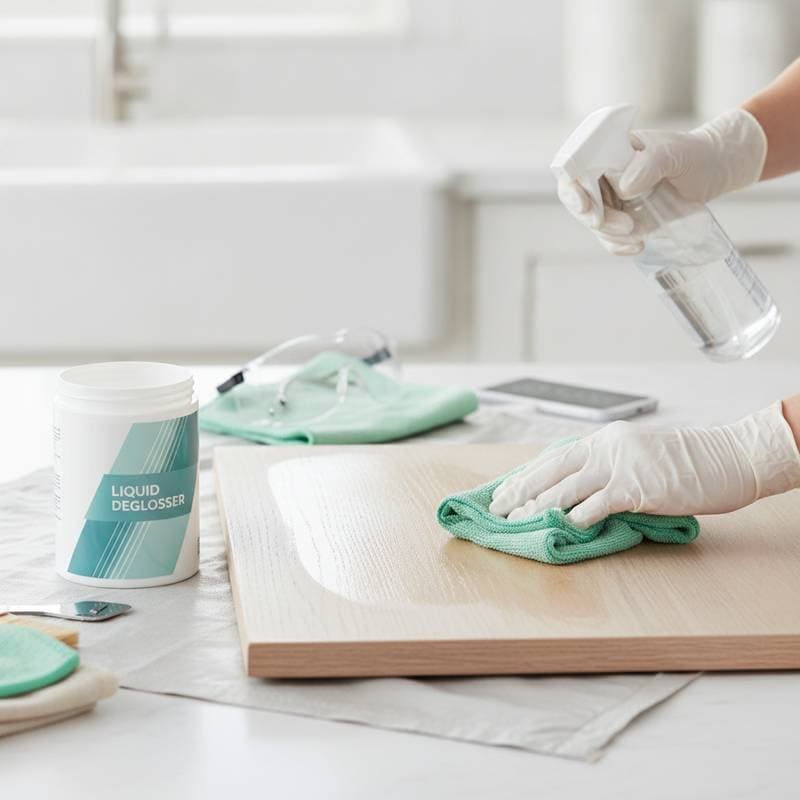
Deglossers, sometimes called liquid sandpaper, now serve as the favored option among professionals and do-it-yourselfers alike. These products clean, dull, and ready surfaces in a single application, proving more efficient and economical than conventional TSP substitutes. Grasping the advantages of deglossers over these legacy methods empowers homeowners to select wisely for painting or refinishing initiatives.
Key Factors in Surface Preparation Expenses
Multiple variables shape the overall expense of surface preparation prior to painting. Homeowners who identify these elements can allocate budgets with precision.
Surface Condition: Stained, oily, or shiny surfaces demand greater quantities of product and extended labor. Deglossers manage glossy areas effectively, often needing only one application, whereas TSP substitutes necessitate repeated efforts.
Material Type: Wood, laminate, and metal respond uniquely to cleaning solutions. Deglossers suit a broad range of surfaces without harm, but TSP substitutes risk etching soft woods or compromising existing paint layers.
Labor Efficiency: Experts employing deglossers finish preparation more swiftly than those relying on standard cleaners. Shorter rinse and drying periods translate to reduced chargeable time.
Environmental Regulations: Certain locales prohibit phosphate-containing products, leaving TSP substitutes or deglossers as primary choices. Deglossers adhere to prevailing eco-standards and simplify waste handling.
Project Scale and Intricacy: Expansive or ornate areas, like cabinetry or trim, require meticulous attention. Deglossers streamline the task by merging cleaning and dulling into one phase.
Advantages of Deglossers for Superior Outcomes
1. Streamlined One-Step Process
Deglossers unite cleaning, dulling, and degreasing within a solitary application. In contrast, TSP substitutes demand a sequence of mixing, scrubbing, rinsing, and drying. On expansive undertakings, these extra stages accumulate significant time. Deglossers bypass water rinsing entirely, accelerating the workflow and simplifying application.
2. Enhanced Paint Adhesion
Optimal paint bonding occurs on clean, mildly textured surfaces. Deglossers chemically etch glossy exteriors to form an ideal profile for primers and topcoats. TSP substitutes focus mainly on cleansing without modifying sheen, potentially causing delamination or inconsistent application.
3. Safer, More Adaptable Compositions
Current deglossers incorporate low-volatile organic compound formulas and non-toxic carriers. These meet rigorous environmental criteria and support indoor application with adequate airflow. Numerous TSP substitutes retain aggressive components that provoke dermal irritation or material degradation if applied incorrectly.
4. Minimized Cleanup and Waste Generation
Deglossers remove via wiping alone, avoiding residues that impair subsequent paint layers. Incomplete rinsing of TSP substitutes can deposit powdery remnants, prompting further scrubbing. Reduced water usage and refuse contribute to a lighter ecological footprint alongside quicker readiness.
5. Suitability for Intricate Surfaces
Elements such as cabinet panels, moldings, and trim feature crevices and contours challenging to abrade or cleanse uniformly. Deglossers penetrate these spaces effortlessly without eroding fine details, unlike TSP substitutes that may involve forceful scrubbing and risk surface distortion.
Quality Variations and Return on Investment
The selected preparation technique affects not just short-term outcomes but also the enduring worth of the painted surface. Stronger adhesion bolsters resilience against peeling and postpones the need for recoating. Preparation with a deglosser can prolong paint integrity by multiple years relative to basic cleansing agents.
Long-Term Value Elements:
- Decreased recoating intervals cut down on subsequent labor and supply expenses.
- Superior aesthetic results elevate property appeal and market worth.
- Improved defense against moisture curbs blistering or scaling in damp environments.
Despite a modest premium on deglossers upfront, the prolonged service life of the coating frequently yields a reduced annual expense.
Budgeting Strategies for Surface Preparation
Painting budgets extend beyond pigments and applicators to encompass thorough groundwork, which safeguards project viability and endurance. To formulate a budget:
- Calculate aggregate surface dimensions to gauge required deglosser or substitute volumes.
- Factor in workforce charges and protective equipment for hired specialists.
- Reserve 10 to 15 percent of the overall sum for unforeseen fixes or supplementary cleansing.
- Solicit estimates from various contractors, emphasizing their preparation approaches.
Painters utilizing deglossers typically achieve prompt turnarounds and pristine results, rendering their expertise a sound fiscal choice over time.
Launching Your Painting Initiative
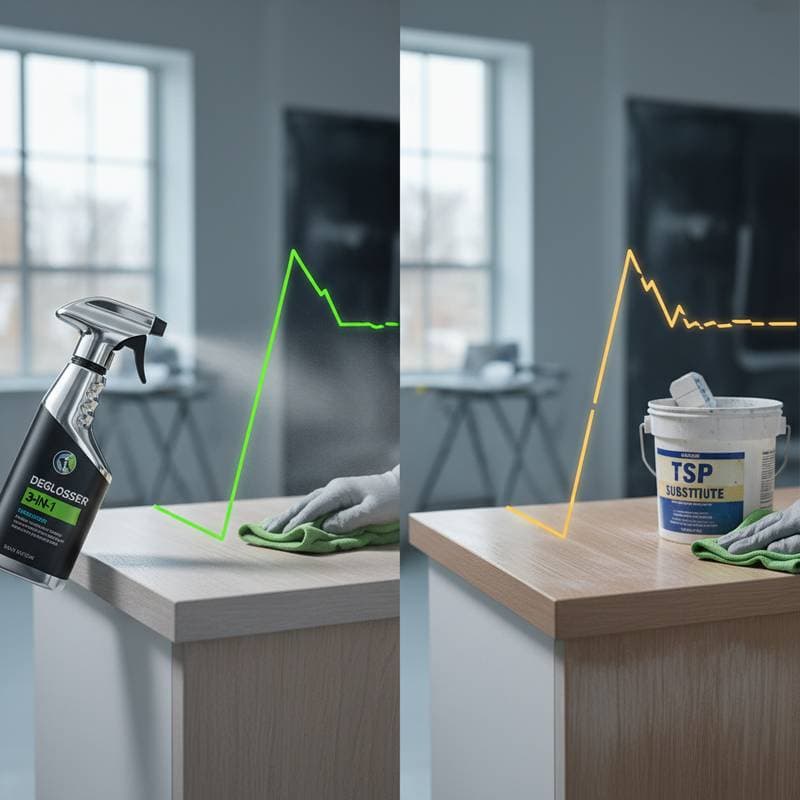
The decision between a TSP substitute and a deglosser hinges on efficacy, productivity, and sustained gratification. Deglossers yield swifter outcomes, firmer bonding, and less post-work tidying, establishing them as the premier selection for current painting tasks. For upcoming preparation efforts, evaluate comprehensive ownership costs, encompassing duration, consumption, and coating resilience.
A meticulously readied substrate forms the bedrock of exceptional painting results. Homeowners who commit to appropriate preparation methods secure enduring aesthetics and economic benefits.
Frequently Asked Questions
1. What Constitutes the Typical Expense of Deglossers Versus TSP Substitutes?
Deglossers generally range from $0.50 to $1.20 per square foot, compared to $0.40 to $1.10 for TSP substitutes. While material outlay for deglossers edges higher, time savings and labor reductions frequently diminish the aggregate project expenditure.
2. Which Elements Most Sway Surface Preparation Expenses?
Surface state, material composition, workforce productivity, regulatory adherence, and undertaking magnitude all impact costs. Glossy or lipid-laden areas consume more resources and hours, whereas plain walls incur lesser preparation demands.
3. In What Ways Can Expenses for Surface Preparation Decrease Without Compromising Standards?
Conduct preliminary surface wiping, tackle zones incrementally, and opt for intermediate-strength deglossers to curb outlays. Performing basic cleansing independently while engaging experts solely for application further trims overall spending.
4. Is Professional Assistance Preferable to Self-Execution?
Self-directed deglossing suits modest or uncomplicated assignments. Experts prove ideal for elaborate or voluminous works demanding uniformity and velocity. Selection relies on expertise, schedule flexibility, and substrate intricacy.
5. How Does One Allocate for Unanticipated Preparation Expenditures?
Designate roughly 10 to 15 percent of the project budget toward additional supplies, mends, or extended cleansing phases. This provision averts monetary disruptions should substrates require intensified handling.
6. When Does Initiating a Painting Project Minimize Surface Preparation Costs?
Seasons of temperate climate often yield competitive rates and greater service availability. Diminished humidity facilitates rapid drying, thereby boosting operational efficiency and curtailing labor fees.