The Rise of Clay Plaster: Transforming Interior Walls in 2026
Clay plaster stands poised for widespread adoption in 2026. Designers, builders, and homeowners rediscover this ancient material for its warmth, texture, and eco-friendly attributes. Clay plaster integrates nature into indoor environments in a manner that feels both grounding and luxurious. Beyond serving as a simple finish, it delivers an immersive experience adaptable to styles ranging from rustic farmhouse aesthetics to sleek modern designs, all while accommodating diverse budgets.
This article examines the reasons clay plaster will reshape wall treatments in 2026. It also provides guidance on incorporating this material to foster living spaces that feel vibrant, breathable, and engaging to the touch.
Key Attributes of Clay Plaster
The appeal lies in the composition of the material. Clay plaster consists of natural earth clays combined with sand and fibers such as straw or cellulose. It contains no synthetic binders, avoids off-gassing, and excludes hidden chemicals. As a result, it promotes healthier indoor air quality and allows walls to breathe effectively.
Consider these distinguishing features:
- Natural Humidity Regulation: Clay plaster absorbs excess moisture from the air and releases it during dry conditions. This process maintains balanced indoor humidity levels, enhancing overall comfort.
- Thermal Mass Properties: The material retains temperature effectively, stabilizing room environments. In warmer seasons, surfaces remain cool to the touch; in cooler periods, they hold subtle warmth.
- Acoustic Absorption: The inherent texture and density minimize echoes, making it suitable for open-plan layouts or rooms with high ceilings.
- Ease of Repair: Minor damages like scratches or chips can be addressed by rehydrating the surface with water and smoothing it. This approach eliminates the need for extensive patching or repainting.
These qualities combine functionality with aesthetic appeal.
Performance in Everyday Settings
Professionals value clay plaster for its visual impact, while residents appreciate its sensory qualities. The tactile surface proves compelling, with a soft, velvety feel that encourages interaction.
In family rooms finished with warm taupe clay plaster, occupants often report a shift in perception. Initial concerns about an overly earthy appearance give way to admiration for its understated elegance. The finish elevates artwork and integrates seamlessly with furnishings, drawing immediate attention from visitors. Such responses highlight the material's ability to elevate ordinary spaces.
Options for Color and Finish
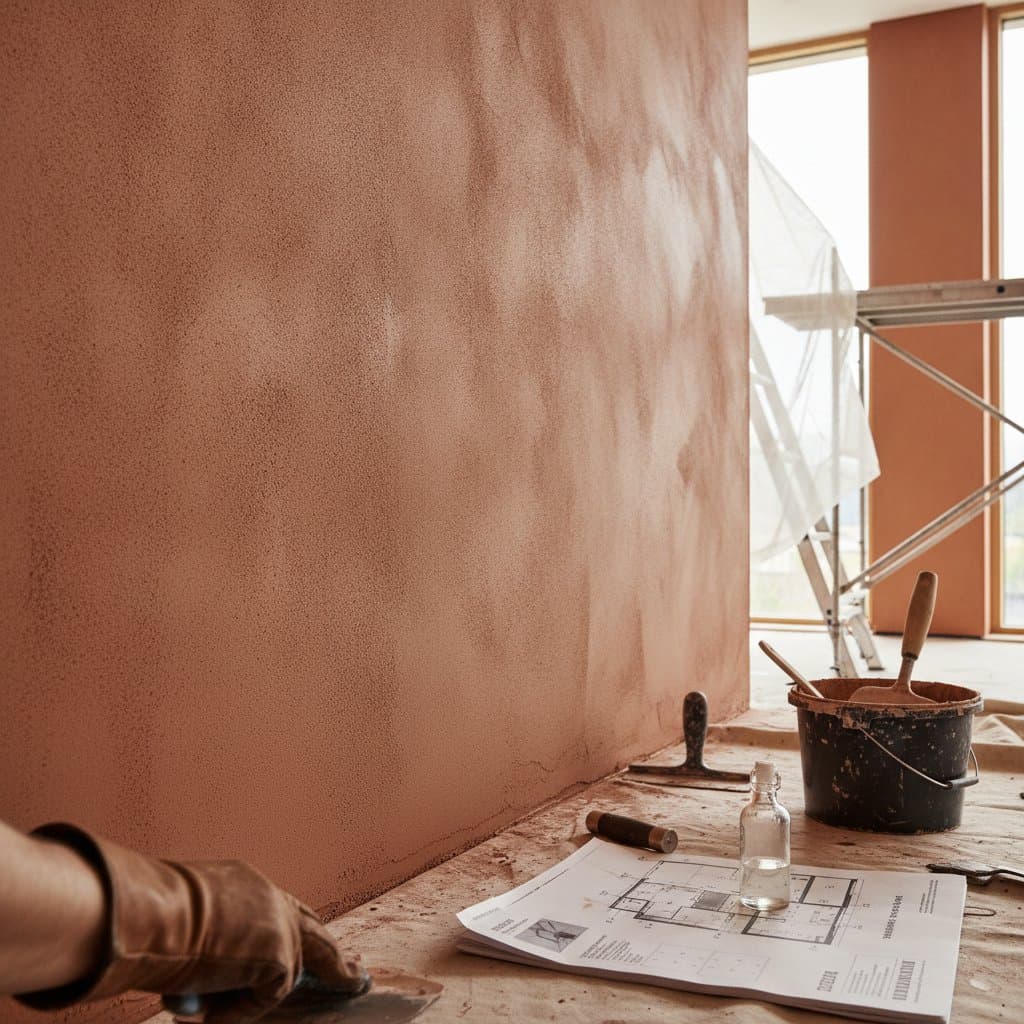
Colors in clay plaster derive from natural pigments, producing soft, organic hues rather than harsh synthetic tones. Selections span earthy neutrals, deep charcoals, and gentle pastels. Custom shades can be mixed on-site, allowing precise adjustment to suit desired atmospheres.
Available finish styles encompass:
- Matte Velvety: A hand-polished texture that offers a smooth, buttery sensation.
- Rustic Coarse: Incorporation of visible fibers or straw, evoking farmhouse or wabi-sabi aesthetics.
- Soft Sheen: A compressed surface that subtly reflects light without creating glare.
- Smooth Contemporary: A refined, minimalist option ideal for modern interiors.
Each variation interacts uniquely with lighting, adding depth and movement. In visual media like photography or video, clay plaster captures dimension akin to fabric, contributing to its rising prominence in design showcases.
Maintenance and Durability
Clay plaster develops gracefully over time, acquiring a subtle patina reminiscent of aged leather or stone. Surface scuffs can be remedied by applying a damp sponge to rehydrate the area, followed by gentle smoothing. For more significant imperfections, a targeted recoat integrates flawlessly with surrounding sections.
To preserve its condition:
- Remove dust using a soft microfiber cloth.
- Steer clear of harsh chemical cleaners or abrasive tools.
- In areas prone to moisture, consider a breathable sealant formulated specifically for clay surfaces.
With appropriate care, clay plaster endures for the lifespan of the structure, embodying timeless rather than fleeting design.
Opportunities for Innovation and Application
Clay plaster presents substantial potential for entrepreneurs and product developers in the design field. Artisans create proprietary pigment formulations, modular installation panels, and standardized texture guides. Independent studios license unique finish recipes to specialized contractors. Traditional paint producers experiment with hybrid formulations that apply like conventional paint yet yield a textured, clay-like result upon drying.
Professionals in construction or creative industries should monitor this sector closely. The material balances artisanal craftsmanship with scalable production methods. Initiatives can begin with targeted wall treatment products and expand to comprehensive natural finish services.
Experiencing Clay Plaster in Daily Life
Upon completion of clay plaster installations, spaces undergo a noticeable transformation. Rooms adopt a calmer ambiance, colors gain depth, and acoustics soften for reduced fatigue. Residents often find themselves drawn to touch the surfaces instinctively.
As time passes, the material responds dynamically to its environment. Sunlight reveals nuanced tonal variations, while the atmosphere feels notably fresher. Clay plaster transcends mere decoration; it represents a deliberate choice prioritizing material integrity, occupant health, and artistic expression. Through texture and hue, it narrates personal narratives. Whether applied to a single accent wall or an entire residence, clay plaster demonstrates that sustainable design can achieve accessibility, resilience, and striking visual impact.