Understanding Dopamine Colors in Home Design
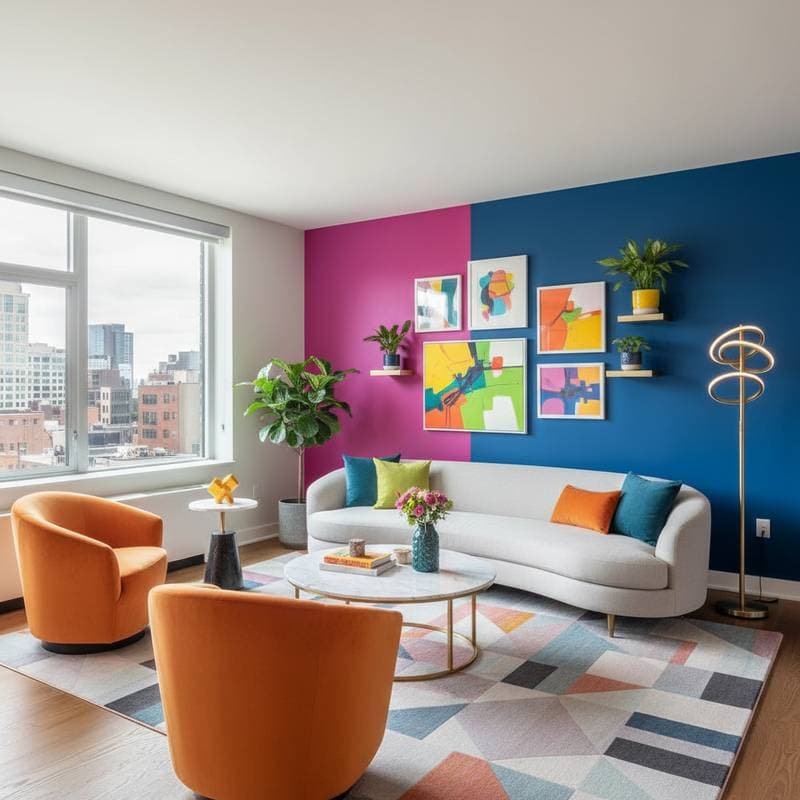
Dopamine colors refer to a palette of bold, saturated hues designed to stimulate feelings of happiness and energy. These shades draw inspiration from the brain's reward chemical, dopamine, which triggers pleasure responses. In 2026, interior designers and real estate experts predict these colors will dominate trends, shifting away from muted neutrals toward vibrant expressions that reflect personal vitality.
Homeowners increasingly seek environments that uplift daily life. Bold colors like electric turquoise or sunny marigold achieve this by infusing spaces with warmth and dynamism. As market preferences evolve, properties featuring these hues stand out in competitive listings.
The Rise of Dopamine Decor in Real Estate
The real estate landscape in 2026 emphasizes emotional appeal over mere functionality. Buyers, fatigued by years of subdued palettes, crave homes that evoke immediate joy. Dopamine colors meet this demand by transforming standard interiors into vibrant sanctuaries that resonate on a sensory level.
Data from recent design forecasts indicates a 40 percent uptick in bold color usage among top-selling homes. These shades not only brighten physical spaces but also align with wellness-focused lifestyles. Sellers who incorporate them report faster closings and higher offers, as the colors create an instant sense of welcome.
Photogenic qualities further amplify their impact. In an era of digital listings, dopamine hues photograph exceptionally well under various lighting conditions. This visual allure draws more online views, translating to increased foot traffic and serious inquiries.
Psychological Benefits for Buyers and Sellers
Color psychology plays a central role in how dopamine shades influence decisions. Vivid reds and oranges stimulate appetite and conversation, ideal for kitchens and dining areas. Blues and greens promote calm focus, suiting home offices or relaxation zones.
For sellers, these colors signal modernity and care in property preparation. A fresh coat of dopamine-inspired paint can mask minor imperfections while highlighting architectural strengths. Buyers perceive such updates as thoughtful investments, often willing to pay premiums for the enhanced atmosphere.
Long-term, these hues support mental well-being. Studies link bright environments to reduced stress and improved productivity. In 2026, as remote work persists, homes with mood-boosting colors become desirable retreats that blend aesthetics with health benefits.
Strategic Application in Key Home Areas
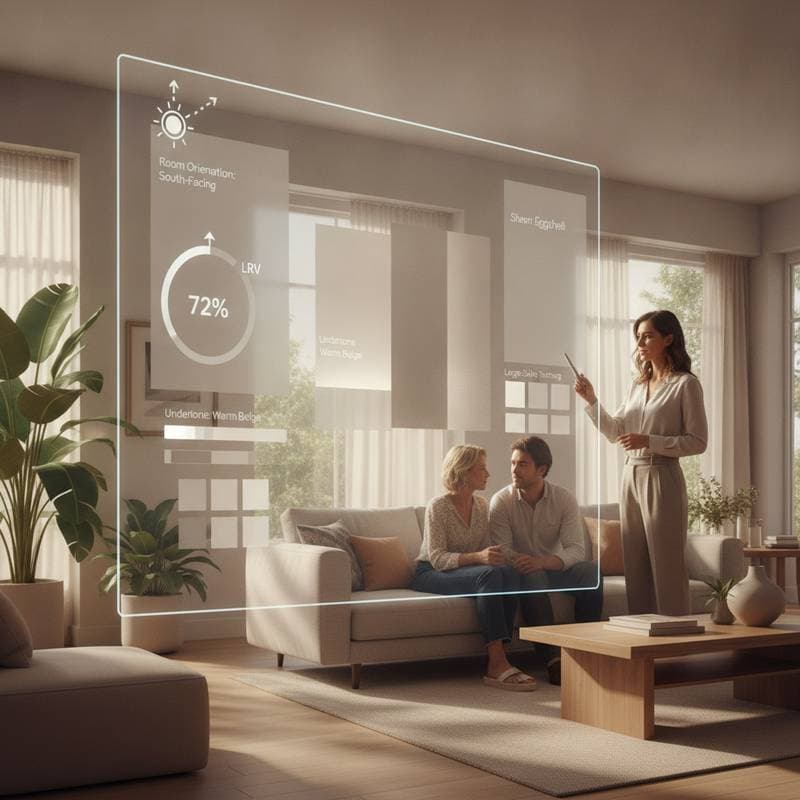
Selecting dopamine colors requires consideration of room purpose and natural light. In living rooms, opt for versatile shades like coral or lavender to foster social gatherings. These tones balance boldness with approachability, appealing to diverse tastes.
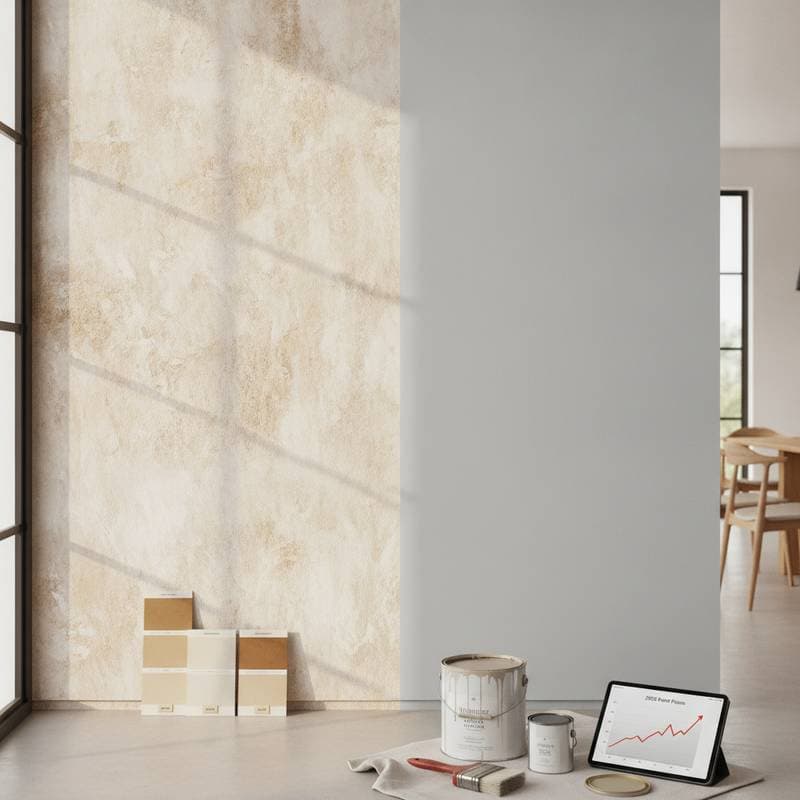
Kitchens benefit from energizing yellows or teals that pair with appliances and cabinetry. Test samples in morning and evening light to ensure the hue maintains vibrancy without overwhelming the space. Professional painters recommend high-quality, low-VOC paints for durability and health safety.
Bedrooms call for softer dopamine variants, such as muted fuchsia or indigo, to encourage restful nights. Layer with neutral accents to prevent sensory overload. This approach creates serene yet stimulating retreats that enhance sleep quality.
Outdoor spaces extend the trend. Exterior accents in playful lime or magenta draw eyes from the street, boosting curb appeal. Coordinate with landscaping for a cohesive look that signals a vibrant home interior.
Budget-Friendly Implementation Tips
- Start with accent walls to introduce bold colors without full-room commitment.
- Use peel-and-stick samples to preview shades in your lighting.
- Partner with local painters for cost-effective consultations and applications.
- Incorporate removable decor like throw pillows in dopamine tones for temporary boosts.
- Focus on high-traffic areas first to maximize visible impact.
Boosting Resale Value Through Color Choices
Strategic color use directly correlates with resale success. Homes painted in dopamine palettes often appraise 5 to 10 percent higher due to their fresh, contemporary feel. Neutral exteriors paired with interior pops create broad marketability.
Timing matters in 2026's fast-paced market. Refresh paints six months before listing to allow settling and avoid fresh-paint odors during showings. Document the transformation with before-and-after photos for marketing materials.
Buyers associate bold colors with updated, move-in-ready properties. This perception reduces negotiation hurdles and accelerates sales cycles. For investors, dopamine-infused flips yield quicker returns compared to traditional renovations.
Integrating Dopamine Colors with Broader Trends
Sustainability enhances the appeal of these vibrant choices. Eco-friendly paints in bold shades minimize environmental impact while delivering lasting coverage. Pair with energy-efficient fixtures for a holistic modern upgrade.
Technology integration, such as smart lighting, amplifies color effects. Adjustable bulbs highlight dopamine hues at different times, creating dynamic atmospheres. This innovation appeals to tech-savvy buyers seeking interactive homes.
Personalization remains key. Encourage sellers to blend dopamine elements with existing decor for authenticity. The result: spaces that feel uniquely inviting, fostering emotional attachments that seal deals.
Achieving Lasting Impact with Expert Guidance
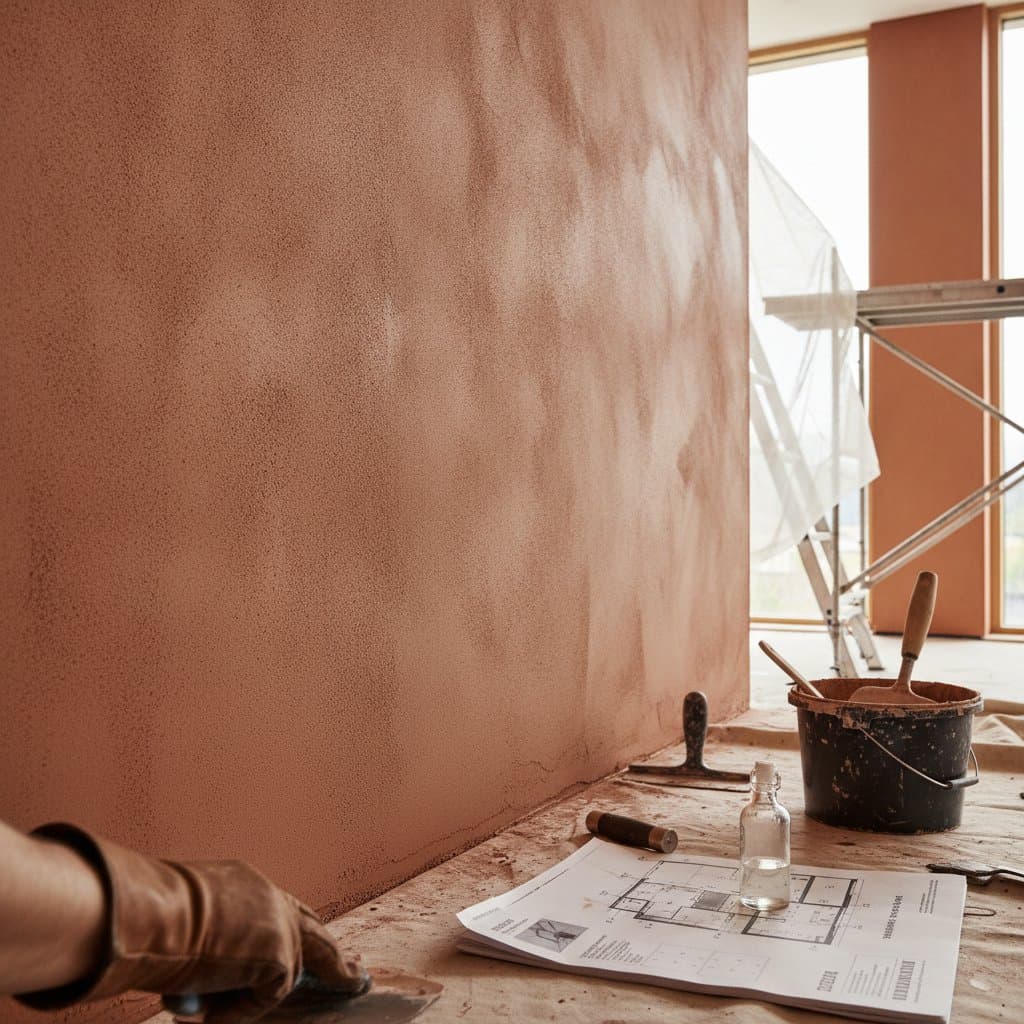
Professional input ensures dopamine colors enhance rather than dominate a home. Consult experienced painters to match shades to architecture and lifestyle needs. Their expertise prevents common pitfalls like clashing tones or uneven application.
Maintenance sustains the vibrancy. Regular cleaning and touch-ups preserve the mood-boosting qualities. Over time, these efforts reinforce the home's value as a joyful living space.
In summary, embracing bold dopamine colors positions properties for triumph in 2026. These hues not only elevate aesthetics but also forge connections that drive sales. Homeowners who act now gain a competitive edge in a market that rewards vibrancy and emotion.