The Impact of Lead Regulations on Painting Timelines
Homeowners anticipate that a professional paint job will require approximately one week, particularly with limited preparation. Contractors frequently inform clients that the timeline extends to three weeks, especially in homes built before 1978. This extension arises from federal lead-based paint regulations, which dictate comprehensive testing, preparation, and execution to mitigate health risks.
These rules apply whenever lead presence is possible, as older paints often contain this hazardous material. Professionals must adhere to protocols established by the Environmental Protection Agency to prevent exposure through dust or chips. Awareness of these requirements allows homeowners to adjust expectations, budget accordingly, and collaborate effectively with contractors.
Detailed Project Cost Analysis
Typical Cost Estimates
- Standard repaint in lead-free environments: $3,000 to $5,000
- Repaint involving lead testing without further action: $4,500 to $7,000
- Comprehensive lead-safe repaint with full protocols: $7,000 to $12,000
Core Components of the Estimate
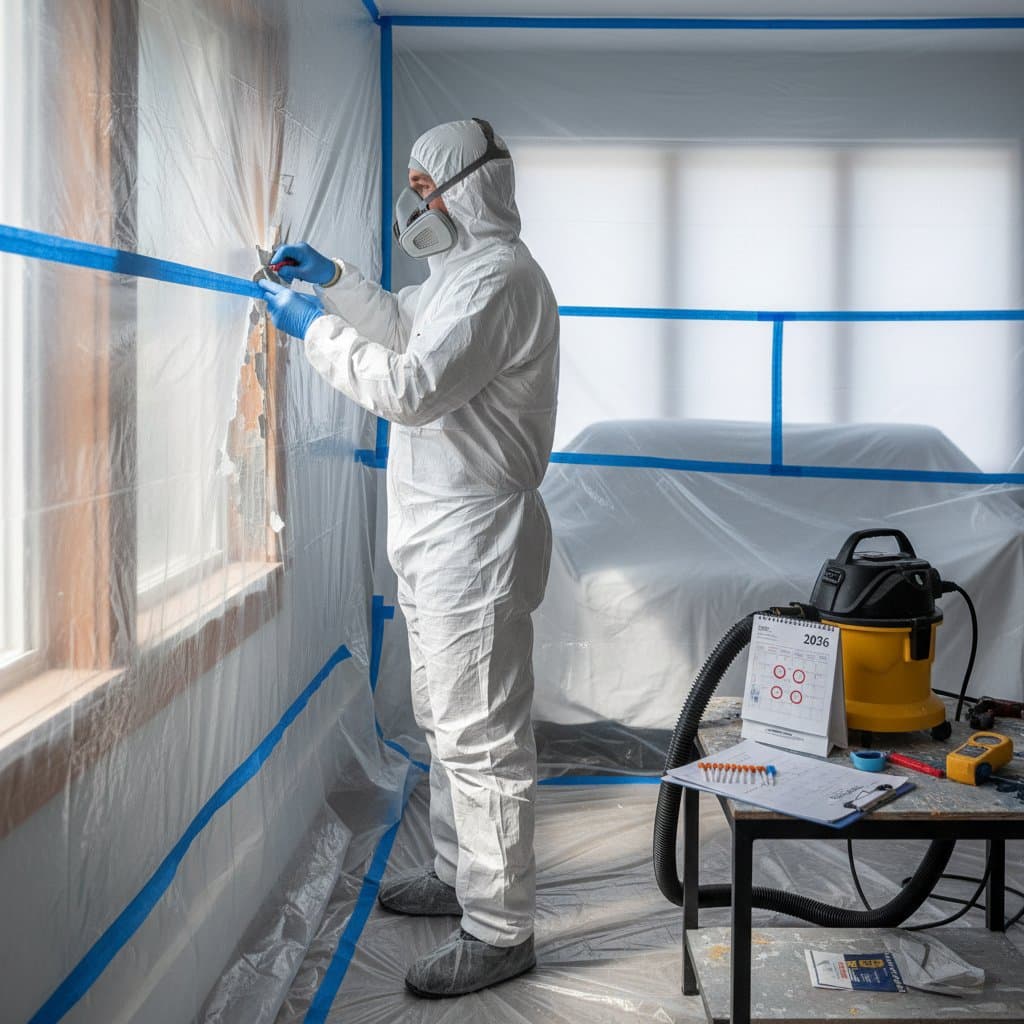
Every lead-safe project incorporates specific elements to meet regulatory standards. These include initial lead testing conducted by certified technicians, along with documentation for compliance records. Site preparation involves erecting plastic sheeting barriers and installing HEPA-filtered ventilation systems to contain dust particles.
Specialized techniques replace standard sanding; professionals use wet methods or chemical strippers to minimize airborne lead. Application proceeds with lead-encapsulating primers followed by durable finish coats. Final stages feature meticulous cleaning with HEPA vacuums, air monitoring, and waste disposal at approved facilities, culminating in a clearance inspection by an independent assessor.
Additional Expenses to Consider
Certain conditions necessitate extra expenditures. Removal of severely deteriorated lead paint layers requires abatement specialists, which elevates costs significantly. Structural replacements, such as rotted trim or non-restorable windows, demand coordination with other trades.
Expanded containment for projects spanning multiple rooms or entire exteriors adds material and labor. Unforeseen delays from adverse weather or initial test failures prompt retesting fees and extended containment periods.
Key Influences on Total Expenses
| Factor | Influence on Cost | Specific Examples |
|---|---|---|
| Home age | Substantial increase | Structures predating 1978 with layered paints |
| Project scale | Direct proportionality | Extensive exteriors or interiors exceeding 1,000 square feet |
| Surface integrity | Highly variable | Extensive flaking or cracking demands intensive stabilization |
| Access challenges | Notable increase | Elevated interiors or obstructed outdoor areas requiring scaffolding |
| Test outcomes | Pivotal escalation | Confirmed lead presence activates full containment measures |
Evaluating Professional Services Against DIY Approaches
Homeowners often explore do-it-yourself options to control expenses. Such efforts prove feasible in contemporary residences or confined areas free of lead concerns. However, lead hazards in older properties render DIY impractical and potentially unlawful.
Circumstances Requiring Expert Involvement
Federal guidelines mandate professional intervention in several scenarios. Homes constructed prior to 1978 fall under scrutiny, as do surfaces exhibiting chipping or peeling. Presence of children, pregnant individuals, or pets heightens the necessity for certified handling.
Large-scale endeavors, including exterior work or sanding operations, demand specialized equipment like shrouded tools and negative-pressure enclosures. Certified contractors possess EPA-accredited training in hazard recognition, containment strategies, and post-work verification, shielding families from fines or health issues.
Scenarios Permitting Homeowner-Led Efforts
DIY becomes viable only after verified lead absence through laboratory analysis. Limit activities to minor touch-ups on intact, tested surfaces. Equip with NIOSH-approved respirators, disposable coveralls, and HEPA vacuums for any preparation.
Verification must stem from professional assessments, not visual inspections or historical assumptions. Even in these cases, consult local regulations to confirm permissibility.
Steps for Effective Project Preparation
Proactive measures from homeowners streamline the process and reduce interruptions.
Pre-Project Actions
- Obtain and review all lead test reports from certified labs.
- Relocate furniture, artwork, and valuables from affected zones.
- Arrange alternative accommodations if extensive sealing disrupts living spaces.
- Establish a communication protocol with the contractor for regular status updates.
Ongoing Monitoring During Execution
Restrict access for children and pets to designated safe areas. Refrain from entering contained zones without contractor approval to avoid contamination risks. Request brief daily summaries to track milestones and address concerns promptly.
Post-Project Verification
Examine cleanup thoroughness and secure clearance certificates from the inspector. Assess painted areas for uniform application and adhesion quality. Archive all documentation for resale disclosures or future renovations.
Strategies for Scheduling and Budgeting
Initiate planning by allocating two to three weeks for the entire lead-safe painting sequence, encompassing testing through final certification. Factor in potential extensions from complex surfaces or environmental variables. Transparent discussions with contractors clarify phased deliverables and adjustment mechanisms.
Financial planning accommodates variables like positive test results or material escalations. Reserve 20 percent of the budget for contingencies to uphold safety without compromises. Informed homeowners navigate these projects with confidence, safeguarding property value and occupant well-being over the long term.
Common Inquiries About Lead-Safe Painting
Why Does Lead Testing Prolong Project Durations?
Certified sampling demands precise collection from multiple surfaces, followed by laboratory processing that spans several days. Positive results initiate containment erection and specialized workflows, extending preparation by up to a week. Subsequent clearance evaluations ensure no residual hazards, adhering to non-negotiable timelines.
What Is the Duration of a Standard Lead-Safe Painting Project?
Projects absent lead issues typically conclude in five to seven days. Incorporation of testing and containment protocols stretches this to 14 to 21 days. Variables such as home dimensions, exterior exposure to elements, or cleanup revisions influence the precise length.
What Protocols Follow a Positive Lead Test?
Contractors implement RRP-certified practices, including area isolation with six-mil plastic and HEPA air scrubbers. Work employs dust-suppressing techniques, with all debris managed as hazardous waste. The project proceeds methodically, prioritizing safety over speed.
How to Verify Contractor Qualifications for Lead Work?
Request display of current EPA RRP certification and cross-check via the agency's database. Qualified firms demonstrate proficiency in safe practices through documented training hours. Steer clear of uncertified providers, regardless of competitive pricing, to avert liabilities.
Is It Advisable to Paint Over Lead Surfaces Independently?
Surface disturbance without expertise disperses toxic particles, posing severe risks. Encapsulation over intact lead requires professional stabilization with approved sealants. Delegate all such tasks to certified experts to comply with regulations and protect health.
Procedures for Failed Clearance Tests?
Retesting identifies residual dust levels exceeding EPA thresholds. Contractors deploy enhanced cleaning with wet wiping, HEPA filtration, and specialized mopping. Reinspection follows, with reoccupation prohibited until certification affirms habitability.