The Cost of Skipping Deglossing: An $800 Painting Lesson
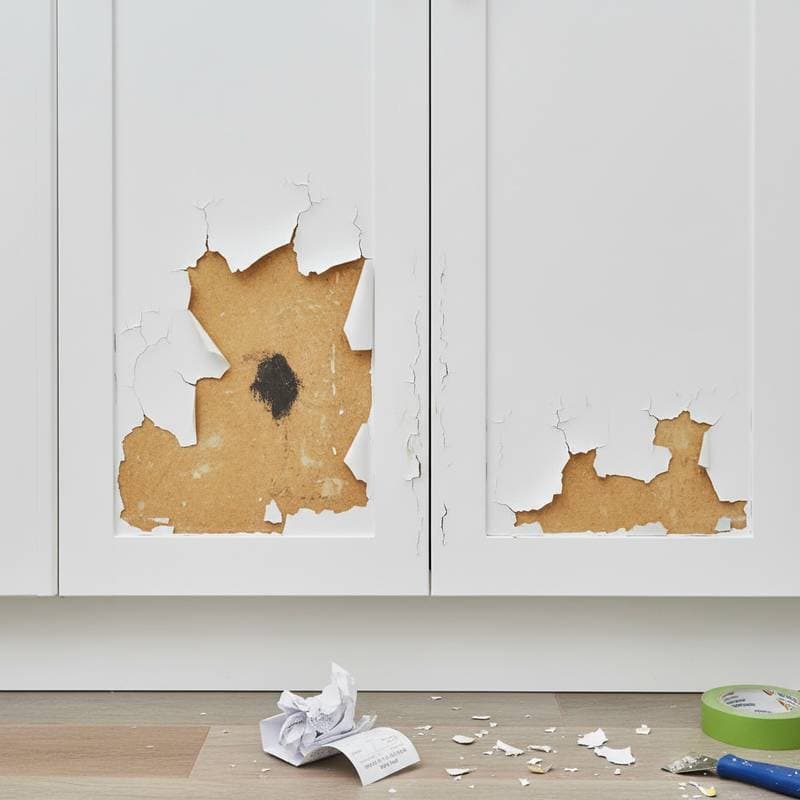
Every painter possesses a memorable story that begins with enthusiasm and concludes with peeling paint, adhesive issues, and a valuable lesson in preparation. One such experience resulted in eight hundred dollars of wasted materials, two full weekends of labor, and a dent in confidence. The primary cause was the omission of deglossing. The distinctive sound of paint detaching from a cabinet door serves as an unforgettable reminder.
The Temptation of Taking Shortcuts
The project commenced with high hopes. The objective involved revitalizing a dated kitchen through a fresh, vibrant coating. Materials such as paint and brushes were ready, along with ample motivation. However, patience for thorough preparation was lacking. The surface appeared sufficiently clean, which proved to be a critical error. The existing glossy topcoat seemed innocuous yet actively hindered paint adhesion. Glossy finishes repel new paint in a manner similar to how oil repels water. Absent a proper bonding mechanism, the paint merely rests atop the surface rather than integrating with it.
Deglossing represents the preparation stage that seems dispensable during moments of fatigue or impatience. This perception persists until problems arise. The initial week displayed promising results. During the second week, hardware began adhering improperly. By the third week, edges exhibited flaking. Each cabinet door presented a unique failure pattern, underscoring that preparatory shortcuts invariably lead to greater expenses.
The Role and Benefits of Deglossing
Deglossing, alternatively known as liquid sanding, functions as a chemical process that facilitates a secure connection between existing surfaces and fresh paint. It mildly etches the glossy layer to promote effective bonding. The method proves efficient, cost-effective, and essential. Apply the solution with a cloth, allow it to act for several minutes, then remove the residue to prepare an ideal substrate for painting.
Several key advantages explain its effectiveness:
- It disrupts surface tension, enabling paint to adhere firmly rather than slip.
- It eliminates concealed oils and contaminants that otherwise impede bonding.
- It uniformizes sheen variations, resulting in a seamless and consistent final appearance.
Minimal tools suffice: a lint-free cloth, protective gloves, and adequate ventilation. This straightforward approach enhances accessibility for all users.
Tailored Preparation Strategies by Budget
Effective preparation emphasizes intelligent allocation of resources rather than increased expenditure. Consider these options aligned with financial constraints and experience levels.
For Limited Budgets (Ideal for DIY Enthusiasts):
Employ a liquid deglosser paired with a non-abrasive scrub sponge. Ensure even application across the surface and thorough residue removal. A standard quart container, priced under twenty dollars, adequately treats a complete cabinet set.
For Moderate Budgets (Suited to Weekend Projects):
Integrate liquid deglosser with light scuff sanding using 220-grit pads. Follow with a dedicated bonding primer. This combination achieves professional-grade adhesion without excessive costs.
For Higher Investments (Aiming for Expert Outcomes):
Address lacquered or factory-applied finishes by sanding lightly with an orbital sander, then applying deglosser and a premium high-adhesion primer. Such methods yield longevity comparable to complete refinishing.
Regardless of approach, the core principle remains: invest time in preparation to avoid future remediation efforts. Each moment dedicated to surface readiness prevents prolonged corrective work.
Insights from Professional Productions
Television renovation projects often operate under stringent timelines. The demand to transform spaces rapidly for filming creates intense pressure. Even in these conditions, deglossing receives no exemption. Paint defects appear glaring under studio lighting, both on camera and in practice. Professionals prioritize streamlined workflows over elimination of steps. Quick-drying industrial deglossers and coordinated team efforts maintain pace while upholding standards.
These techniques translate seamlessly to home applications. The key lies in structured processes rather than expedited omissions.
Understanding Paint Adhesion Scientifically
Paint adheres through mechanical interlocking at a microscopic level rather than mystical means. Glossy surfaces feature reduced porosity, limiting anchoring points for new layers. Deglossing enhances this texture, creating minute ridges that secure the paint. Failure in adhesion manifests as delamination, blistering, or persistent tackiness. All such issues become avoidable through diligent preparation.
Prior to applying paint, validate preparation efficacy with a simple test. Press painter's tape firmly onto the surface and remove it abruptly. If the tape dislodges underlying material, additional preparation is necessary. A clean removal indicates readiness for proceeding.
Correcting a Failed Painting Project
Following the peeling incident, remediation required a complete restart. All doors were removed, surfaces stripped, cleaned, deglossed, and primed appropriately. The subsequent outcome proved remarkable: superior bonding, enhanced smoothness, and increased surface hardness. This experience instilled a permanent appreciation for methodical work.
Individuals facing similar setbacks should remain composed. Address loose paint by scraping, followed by light sanding, meticulous cleaning, and bonding primer application. Repaint using uniform, thin layers. Although labor-intensive, this process extends the finish's durability for years.
Essential Techniques for Optimal Results
- Clean surfaces thoroughly prior to deglossing to prevent interference from dust or grease.
- Label cabinet doors and hardware components to streamline reassembly and minimize errors.
- Process areas in manageable sections to maintain focus and avoid overwhelming tasks.
- Adhere to recommended drying intervals, allowing full curing of primers and paints before reinstalling elements.
- Maintain consistent environmental conditions, as high humidity or low temperatures can compromise finish integrity.
These practices, though seemingly minor, significantly influence both aesthetic quality and long-term performance.
Securing Durable Finishes Through Preparation
With cabinets now correctly painted, entering the kitchen brings satisfaction. The coating exhibits solidity, uniform coloration, and effortless maintenance. Proper deglossing underpins this resilience. Preparation embodies the foundational care that sustains design integrity over time.
Embrace deglossing to forestall disappointment. Future projects will benefit in quality, efficiency, and economy.