Why Biophilic Greens Are Up 40% in Color Trends
Homeowners continue to prioritize nature inspired design in their living spaces. Biophilic greens lead this shift as a versatile palette drawn from forests and foliage. These tones support relaxation while integrating seamlessly with both interior and exterior applications.
The Meaning Behind Biophilic Greens
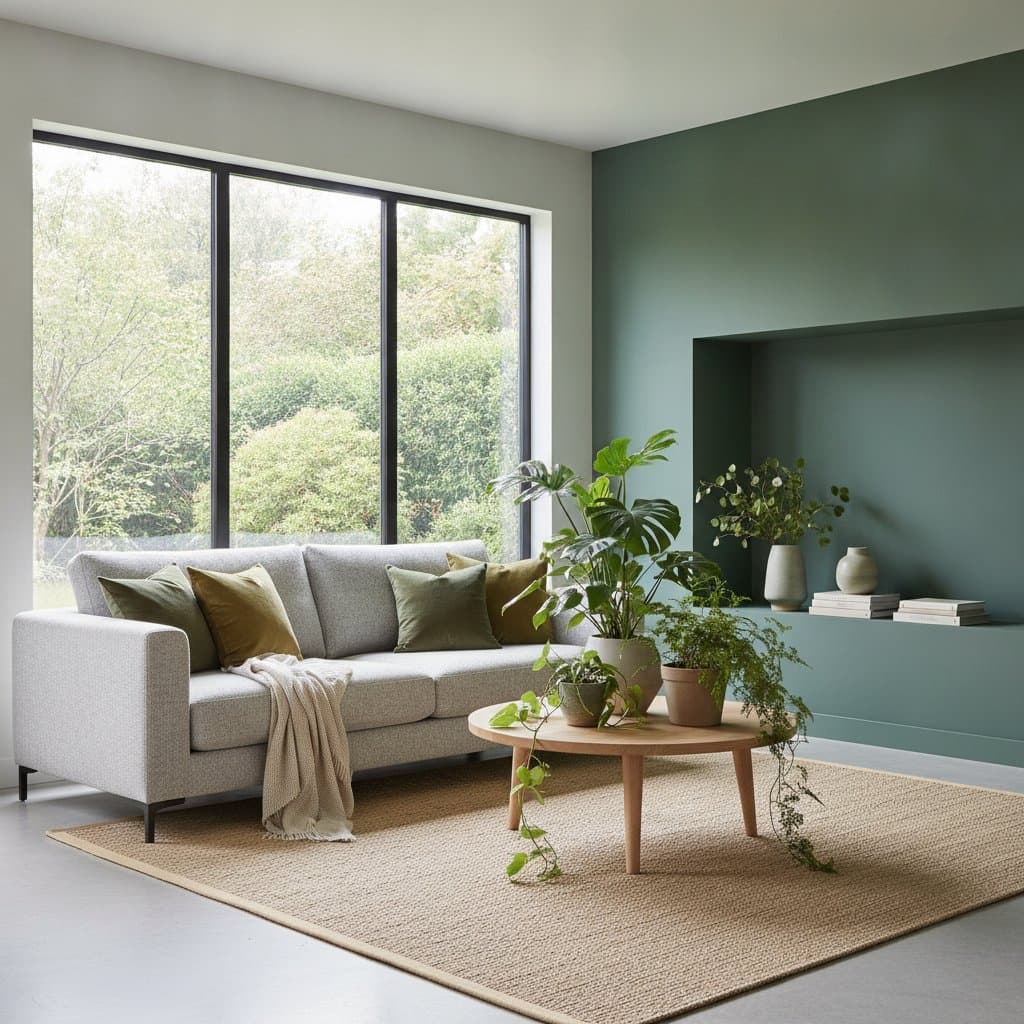
Biophilic design emphasizes direct connections to natural elements through color and texture. In paint selections this approach produces greens that echo moss, leaves, and succulents. The resulting shades influence mood by creating grounded and serene environments. When combined with warm neutrals or materials such as wood and stone the palette yields organic and inviting rooms.
Soft sage works well in bedrooms and living areas as a gentle backdrop that encourages calm. Deeper olive or forest greens introduce sophistication to kitchens, offices, and accent walls. These hues maintain visual balance across varying light conditions.
Why Homeowners Are Choosing Green
The increase in demand for biophilic greens stems from both emotional and practical considerations. Residents seek restorative homes after extended periods indoors. Green conveys renewal and growth, which suits spaces that require vitality and energy. Paint professionals note rising requests for tranquil shades that avoid dullness.
These greens also offer versatility across design styles including modern farmhouse, mid century modern, and minimalist schemes. Unlike bold colors that lose relevance quickly, green maintains timeless appeal. It harmonizes with natural tones and reduces the need for frequent repainting.
How Painters Approach Biophilic Palettes
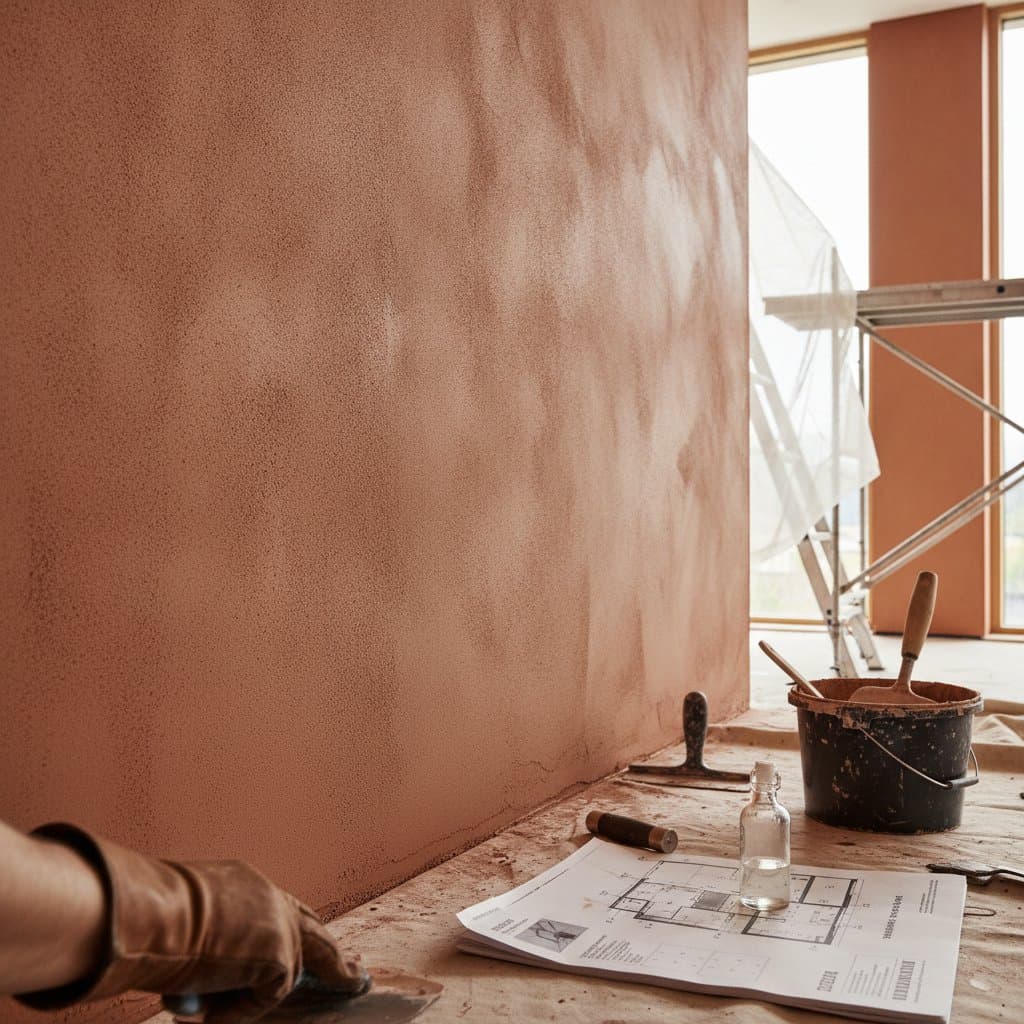
Professional painters apply biophilic greens in layers to build depth and texture. Lighter values open small rooms while darker values define structure and warmth. Accent walls serve as focal points when paired with natural fibers, woven textures, or matte finishes.
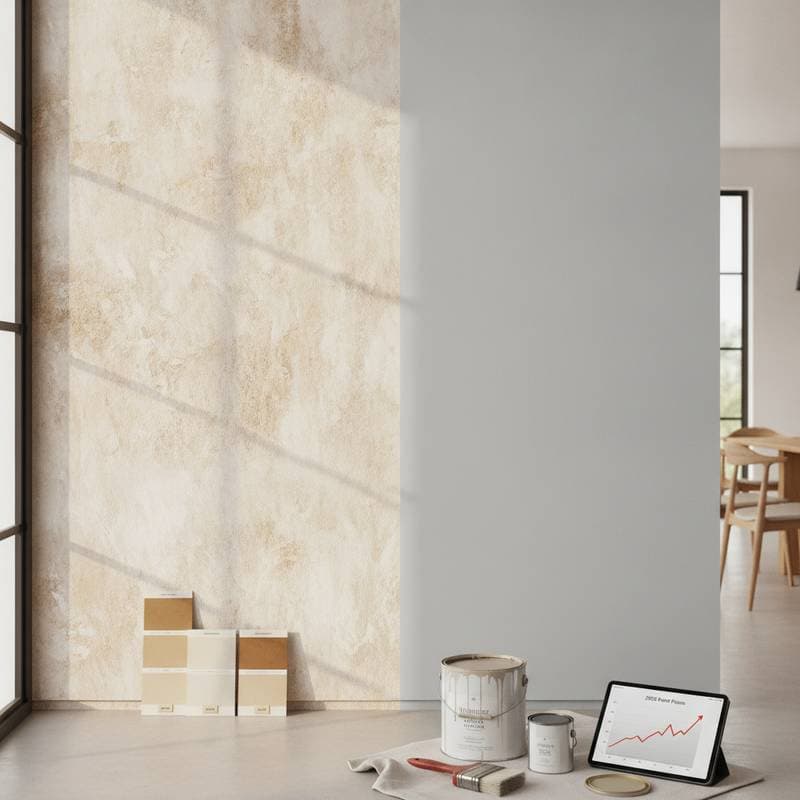
On exteriors, muted greens align with surrounding landscapes. White trim or stone foundations enhance a grounded appearance. Testing multiple samples in natural light remains essential because green pigments shift with sunlight and artificial sources.
Pairing Green with Other Colors
Biophilic greens combine effectively with earthy neutrals and warm metallics. Beige, cream, and taupe preserve a natural transition. Copper, brass, or gold accents introduce refinement. Charcoal or deep brown finishes provide contrast when a bolder statement is desired.
Texture strengthens the overall effect. Natural wood furniture, woven rugs, and ceramic accessories reinforce the connection to nature. Small additions such as potted plants complete the cohesive scheme.
Planning Your Painting Project
Begin by assessing room function and existing architectural details. Select two or three candidate shades and apply large samples to multiple walls. Observe the colors at different times of day to confirm suitability.
Prepare surfaces thoroughly by cleaning, sanding, and priming as needed. Choose matte or eggshell sheens to emphasize organic qualities. Schedule application during stable weather for exterior work to ensure even drying.
Frequently Asked Questions
-
Why are biophilic greens trending so strongly right now?
Homeowners seek calm and restorative spaces. Green tones evoke nature and deliver emotional balance that other colors seldom match. -
What rooms benefit most from biophilic green paint?
Living rooms, bedrooms, and offices gain comfort and focus from nature inspired hues. -
How should I choose the right shade of green?
Apply multiple samples to walls and evaluate them under varied lighting. Natural light exposes undertones that artificial sources may conceal. -
Can biophilic greens work with modern interiors?
They complement clean lines and natural materials. Matte finishes paired with minimalist decor produce a refined result. -
What finish works best for these tones?
Matte or eggshell finishes enhance the organic quality of greens. They minimize glare and accentuate texture for a soft appearance. -
Should I hire a professional painter for this type of project?
A professional ensures smooth coverage, proper surface preparation, and accurate color matching. The outcome is a cohesive and durable finish.