Why Bio-Based Paints Cost More Yet Accelerate Home Sales
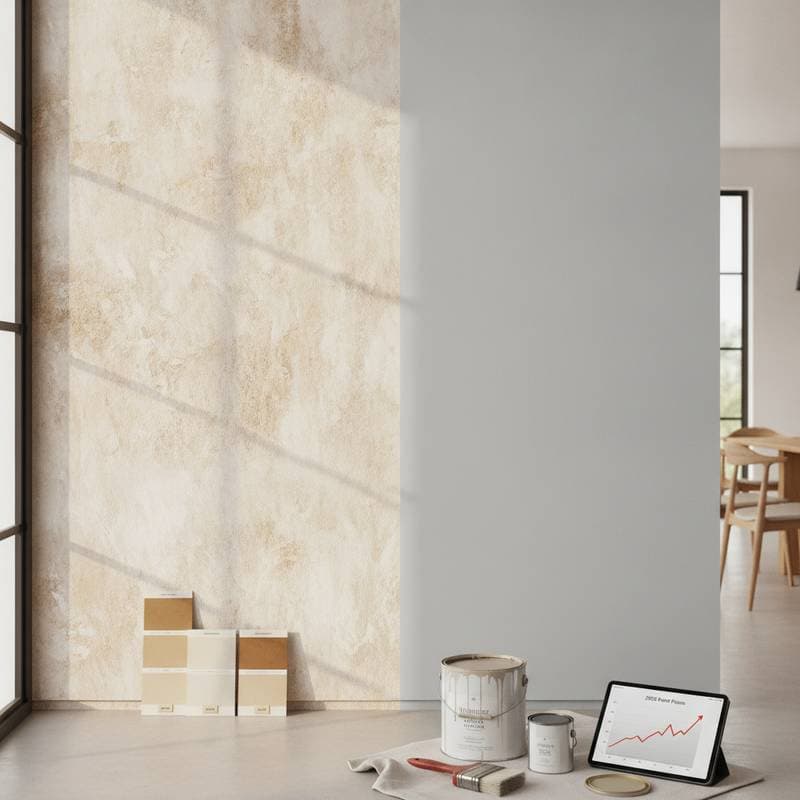
Enter a freshly painted room, and the atmosphere often reveals the paint quality immediately. Certain paints emit a strong chemical odor, whereas others provide a clean, fresh scent. The latter typically involves bio-based paint, which may cost up to three times more than conventional options. However, this investment accelerates home sales and enhances perceived value. This article examines the reasons behind these benefits and offers guidance for informed decisions across various budgets.
Key Distinctions of Bio-Based Paints
Bio-based paints derive from natural ingredients rather than petroleum products. These include plant oils, mineral pigments, and resins obtained from renewable sources. Such compositions minimize toxins, reduce carbon emissions, and promote healthier indoor environments. The paints dry to a breathable surface that regulates moisture on walls and resists mildew, thereby extending durability.
In contrast, traditional paints depend on synthetic binders and solvents. Bio-based alternatives employ renewable binders that create a robust film upon drying. The advanced chemistry increases production expenses, sourcing proves challenging, and stringent quality controls add further costs. The outcome delivers superior color depth, varied textures, and finishes that appear striking in photographs and in person.
Factors Driving Higher Costs
Economically, bio-based paints lack the advantages of large-scale manufacturing enjoyed by conventional paints. Production frequently occurs in smaller facilities that emphasize purity and transparency. Ingredients such as plant oils or natural clays exceed the price of petroleum derivatives.
Certification processes contribute significantly to expenses. These paints undergo rigorous testing for volatile organic compound levels, biodegradability, and indoor air quality safety. Such validations assure homeowners of reduced risks to people and pets.
Application may require thicker layers or specialized primers, potentially necessitating an additional coat. Proper planning ensures ease of use. Once applied, the finishes endure longer without fading or chalking, which offsets initial costs over the paint's lifecycle. This positions bio-based paints as a strategic, enduring investment.
Benefits in Real Estate Markets
Bio-based paints provide a clear edge in real estate by enhancing buyer appeal. Prospective buyers experience a fresh scent, calming ambiance, and polished appearance that evoke immediate emotional connection. Real estate agents refer to this as move-in ready appeal, to which these paints contribute substantially.
Health-aware buyers appreciate the absence of harsh fumes and alignment with sustainability principles. Even those less focused on ecology value the clean aroma and subtle light diffusion. These qualities improve listing photographs, leading to increased online engagement, more property viewings, and quicker offers.
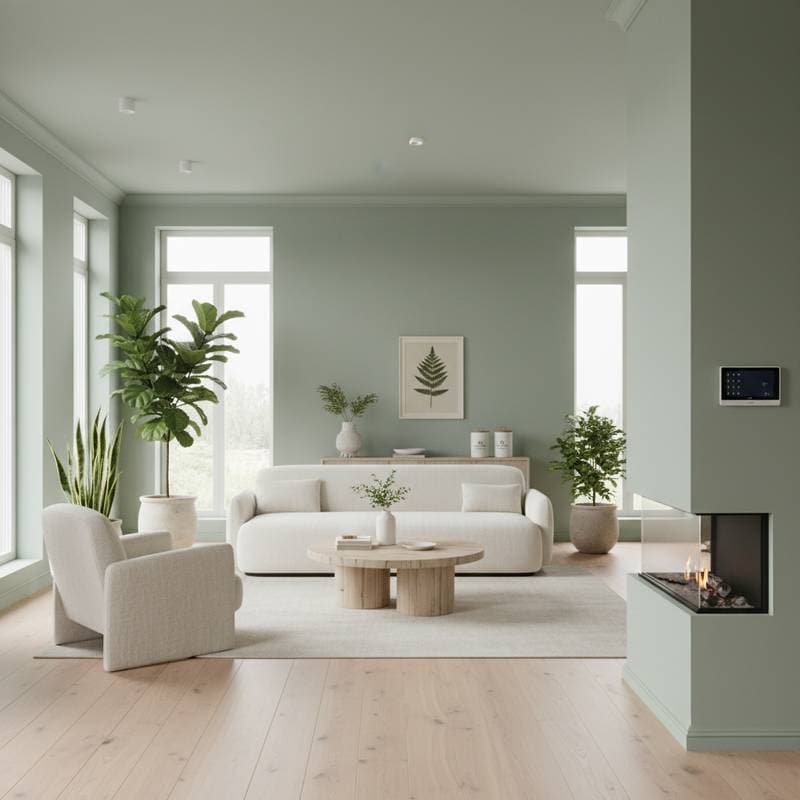
In design projects, bio-based finishes interact effectively with light, distributing illumination evenly to make rooms appear more spacious and welcoming. This effect benefits both virtual tours and in-person showings, streamlining the sales process.
Budget-Conscious Implementation Strategies
Incorporate bio-based paints affordably through targeted approaches.
For minimal investment, apply the paint to a single accent wall or powder room. This creates an immediate improvement in air quality and visual impact. Several manufacturers offer sample kits for color testing prior to full purchase.
At moderate budgets, select bio-based paint for primary areas such as the entryway, kitchen, and living room. These zones shape first impressions for buyers. Use standard low-VOC paints in secondary spaces to control expenses.
For comprehensive upgrades, cover the entire home with premium bio-based options. Complement with natural fiber textiles, reclaimed wood accents, and low-emission sealants to craft a cohesive sustainable narrative. Properties treated this way photograph superiorly, demand fewer repairs, and draw dedicated eco-oriented buyers.
Bio-based paints suit do-it-yourself projects, applying smoothly with conventional brushes and rollers. Cleanup requires only soap and water, benefiting both applicators and the environment.
Ensuring Durability and Maintenance
Homeowners often inquire about the long-term performance of bio-based paints. Results hinge on thorough surface preparation and precise application. Clean walls meticulously before painting and permit adequate drying time between coats for optimal outcomes.
These paints maintain flexibility during curing, minimizing cracks on plaster or wood surfaces. Touch-ups integrate seamlessly, as pigments develop a subtle patina rather than uneven wear.
Durability evaluations indicate strong resistance to scuffs and effective cleaning with mild soap solutions. The renewable binders provide resilience comparable to synthetic alternatives. Although initial costs exceed those of standard paints, reduced maintenance needs yield savings over time.
Insights for Designers and Entrepreneurs
The growth of bio-based paints parallels the evolution of organic foods. Initial premium pricing attracted pioneers, whose demand spurred efficiencies and wider availability. Similar dynamics now influence the paint industry, with prices expected to stabilize as adoption increases.
Professionals who integrate these products position themselves advantageously amid emerging sustainable building regulations. Presenting bio-based options to clients demonstrates foresight, fosters credibility, and expands opportunities in environmentally conscious sectors.
Everyday Advantages of Bio-Based Finishes
After application, bio-based paints enhance daily living through cleaner air, vibrant colors, and a serene atmosphere. Visitors and occupants alike perceive the quality. In family settings, the reduced chemical presence promotes comfort for children and pets.
For sellers, this represents a competitive edge in staging. For long-term residents, it delivers ongoing health and aesthetic benefits. The elevated cost proves justified by the combination of visual excellence, wellness improvements, and market responsiveness.