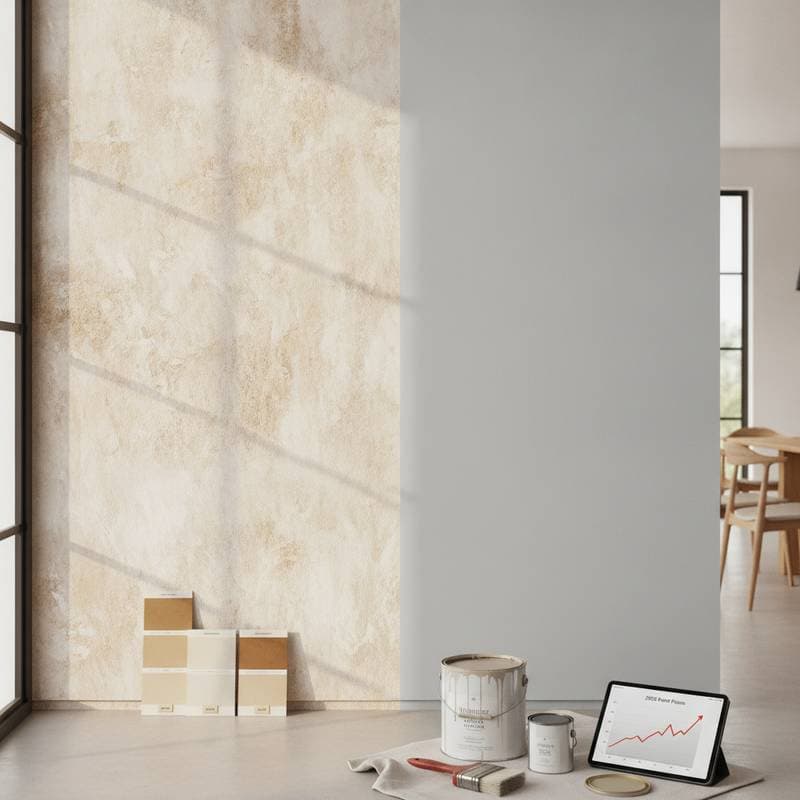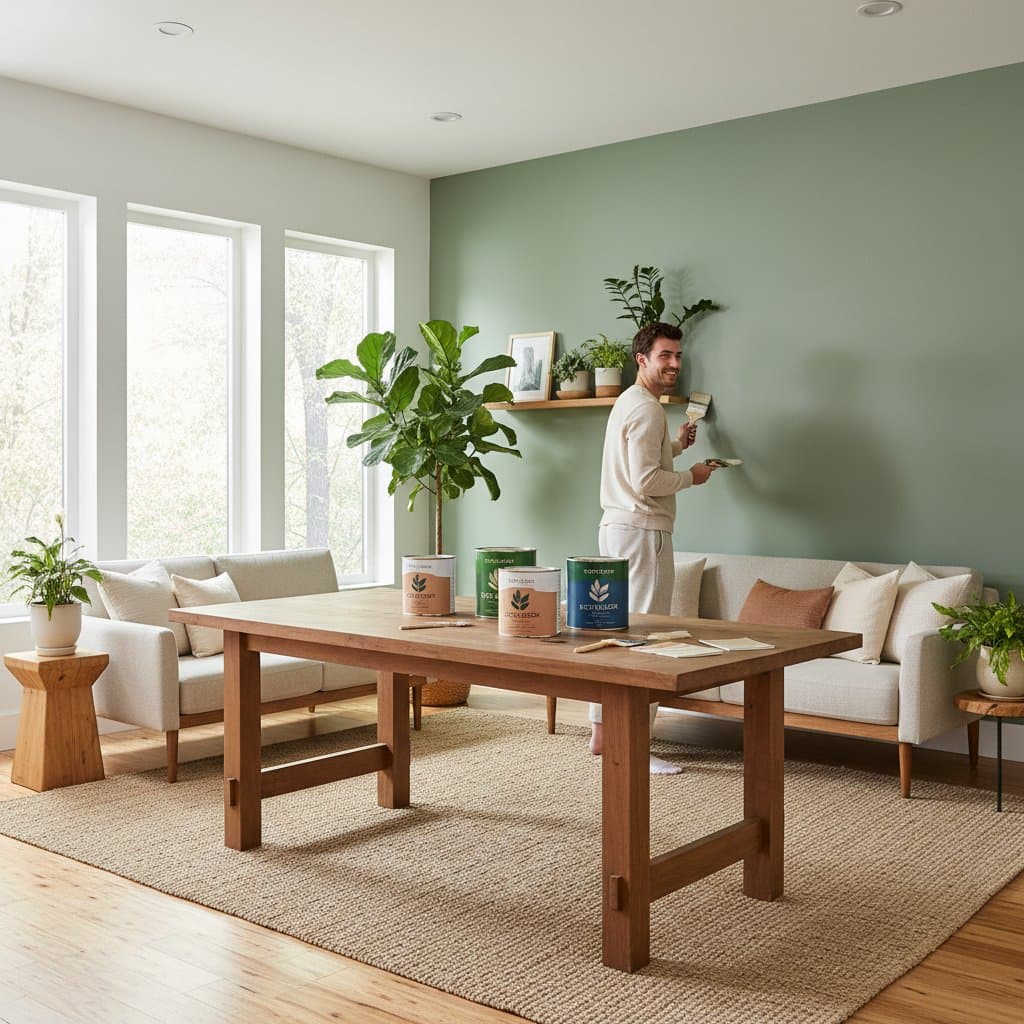
Why Bio-Based Paints Are Taking Over Green Homes in 2026
Homeowners increasingly recognize the impact of renovation decisions on indoor health and environmental well-being. Paint stands out as a prominent design feature in any home, yet it poses significant risks for chemical exposure. This realization drives a surge in bio-based paints, innovative eco-friendly options that minimize harmful emissions without sacrificing durability or visual appeal. As sustainable practices shape consumer preferences, these paints emerge as the top choice for environmentally conscious residences.
Understanding Bio-Based Paints
Bio-based paints derive from renewable sources like plant oils, natural resins, clay, and minerals, bypassing petroleum solvents and synthetic binders common in traditional formulas. They substitute carbon-intensive elements with biodegradable components that release minimal volatile organic compounds, known as VOCs. Consequently, these paints deliver performance comparable to conventional types while reducing environmental impact substantially.
In sustainable construction and renovation projects, bio-based paints function as both aesthetic selections and health-oriented investments. Their formulations promote superior indoor air quality, diminish application odors, and align with the eco-standards that discerning homeowners prioritize today.
Cost Ranges for Bio-Based Painting Projects
Project expenses for bio-based paints vary based on brand, finish type, and overall scale. Although these products command a higher price than standard latex paints, the gap narrows with advancing production methods and increased scale.
- Small room (100 square feet): $200 to $400
- Medium room (250 square feet): $450 to $750
- Large room (400 square feet): $700 to $1,200
These estimates encompass materials, labor, and preparatory tasks like patching and priming. On average, bio-based paints add $1.50 to $3.50 per square foot over conventional alternatives. The upcharge accounts for renewable sourcing and eco-specific manufacturing techniques.
Per-Square-Foot Cost Breakdown
| Category | Basic Range | Standard Range | Premium Range | Key Differences |
|---|---|---|---|---|
| Materials | $2 - $4 | $4 - $6 | $6 - $9 | Elevated natural elements, denser consistency, enhanced coverage |
| Labor | $3 - $5 | $5 - $7 | $7 - $10 | Certified eco-painters command higher rates |
| Preparation | $0.50 - $1 | $1 - $2 | $2 - $3 | Encompasses eco-compatible cleaning, sanding, and priming |
| Additional Factors | $0.50 - $1 | $1 - $2 | $2 - $3 | Accounts for access challenges, repairs, and application intricacy |
Key Influences on Bio-Based Paint Expenses
Material Makeup: Formulations with greater proportions of plant-derived oils or mineral extracts incur higher costs. Sustainable procurement elevates raw material and processing expenses.
Surface Preparation Needs: Aged surfaces demanding extensive sanding, patching, or eco-priming extend labor and material requirements.
Color and Finish Choices: Intense hues and unique effects, such as clay matte or organic sheen, necessitate additional layers for optimal opacity.
Professional Skill Level: Applicators versed in bio-based properties manage unique drying times and techniques, justifying elevated rates while yielding flawless outcomes and minimal rework.
Local Market Dynamics: Costs fluctuate by region. High-demand areas foster supplier competition that moderates prices, whereas underserved locales face premiums from restricted supply chains.
Cost Analysis by Paint Variety
| Paint Type | Basic Range | Standard Range | Premium Range | Key Differences |
|---|---|---|---|---|
| Plant Oil Based | $30 - $45 per gallon | $45 - $65 per gallon | $65 - $90 per gallon | Sourced from linseed or soy for resilient flexibility |
| Clay Based | $40 - $55 per gallon | $55 - $70 per gallon | $70 - $100 per gallon | Delivers inherent matte look and vapor permeability |
| Mineral Based | $35 - $50 per gallon | $50 - $70 per gallon | $70 - $95 per gallon | Employs silicates for enduring, scrub-resistant surfaces |
Reasons Homeowners Adopt Bio-Based Paints
Multiple tangible advantages position bio-based paints as essential for contemporary sustainable dwellings.
Enhanced Health and Air Purity
Conventional paints emit VOCs that persist post-application, compromising air quality. Bio-based variants curb these releases, fostering fresher interiors with reduced scents. Families with young children or allergy sufferers gain particular advantages from this safer setting.
Sustainability Commitment
Each gallon of bio-based paint supplants petroleum-based elements with plant or mineral alternatives. This shift cuts carbon outputs across production, use, and end-of-life phases. Packaging often features recyclable or biodegradable designs, minimizing landfill contributions.
Superior Longevity and Functionality
Past eco-paints lagged in adhesion and cleanability. Current bio-based versions match or exceed synthetics in fade resistance, adhesion, and crack prevention. Certain types excel in humidity tolerance and hue stability over extended periods.
Visual Sophistication
Derived pigments yield warm, nuanced shades that evoke natural serenity, surpassing the starkness of chemical dyes. Interior specialists favor their layered subtlety, ideal for eco-architecture and streamlined designs.
Realizing Long-Term Gains
Initial outlays for bio-based paints appear steep, yet enduring advantages frequently justify the expense. Lower upkeep demands, healthier living spaces, and elevated market appeal culminate in strong financial returns. Eco-certifications or sustainable attributes attract buyers, potentially lifting home prices. Their robustness extends intervals between repaints, conserving funds and materials over time.
Practical Ways to Trim Expenses
Achieve cost efficiency with bio-based projects through targeted approaches that preserve excellence.
-
Handle Initial Prep: Wipe surfaces, scrape loose residue, and mask trim prior to crew arrival to shorten on-site labor.
-
Select Balanced Options: Mid-tier bio-based lines offer robust protection and green credentials at fractions of luxury pricing.
-
Schedule in Low-Demand Periods: Off-season timing reduces contractor fees amid softer booking volumes.
-
Procure in Volume: Bulk orders often unlock rebates and guarantee uniform shades room-to-room.
-
Target Priority Zones: Reserve bio-based applications for high-traffic areas, supplementing with low-VOC standards in utility spaces for hybrid savings.
Budgeting Effectively for Your Project
To prepare for a bio-based painting endeavor, measure surface areas precisely, incorporate a 10 to 15 percent allowance for overruns, and evaluate competing products. Solicit detailed bids delineating materials from labor, confirming inclusions like primers or sealers. Allocate reserves for unforeseen extras, such as extra layers or fixes revealed in inspections.
Partner with contractors proficient in green materials for precise forecasting and optimal execution. Such experts tailor recommendations to regional climate, substrate traits, and illumination, optimizing both aesthetics and service life.
Addressing Common Queries
What Does Bio-Based Painting Typically Cost?
Room projects range from $450 to $1,200, scaled to dimensions, sheen, and grade. Bio-based selections run 15 to 30 percent above traditional paints, driven by natural sourcing and refined processes.
Which Elements Most Sway Bio-Based Paint Pricing?
Primary drivers encompass natural content ratios, required layers for opacity, substrate state, and applicator proficiency. Geographic availability further modulates rates, with sparse regions incurring surcharges.
When Should You Schedule Painting to Minimize Costs?
Opt for late fall or winter months, when contractors face lighter workloads and offer competitive bids. Avoid spring and summer peaks to secure better terms without quality trade-offs.
Are Bio-Based Paints Suitable for All Surfaces?
Most adapt well to drywall, plaster, and wood, though testing on high-moisture areas like bathrooms ensures compatibility. Consult professionals for masonry or metal applications to match specific primers.