Why Professional Painters Outshine AI Color Apps in 2026
Artificial intelligence transforms numerous industries, including home improvement. AI-powered color selection applications deliver instant results, precise digital previews, and streamlined decision-making. Homeowners who depend entirely on these tools frequently encounter dissatisfaction after the paint dries. The gap between a digital simulation and an actual wall extends beyond pixels and algorithms. Professional painters maintain superiority through accuracy, artistry, and practical performance.
To grasp why professional expertise surpasses AI tools, consider the mechanics of each method. AI color applications employ data analysis, image recognition, and predictive algorithms to propose color schemes. Professional painters draw on years of experience, trained visual assessment, and comprehension of light, texture, and material interactions. These human elements yield precision that current technology cannot duplicate.
Limitations of AI Color Matching Technology
AI-driven color matching systems assert the ability to detect and reproduce any shade from a photograph or physical sample. These systems examine images, identify primary hues, and produce digital codes aligned with paint formulations. The process seems ideal on a display. In practice, digital sensors perceive color variably based on illumination, surface characteristics, and device calibration.
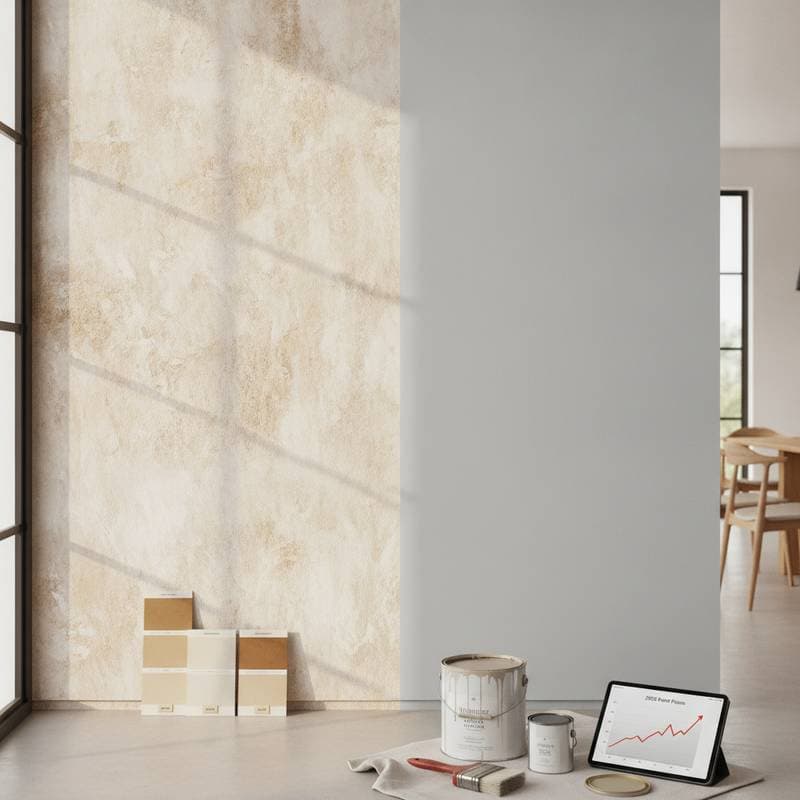
When individuals photograph a wall or fabric, the camera settings and surrounding light alter the true hue. The application then processes an approximation that may not correspond to reality. Retail outlets mix paint according to these specifications, yet the applied result often shifts to appear cooler, warmer, darker, or lighter than anticipated.
Professional painters evaluate color through a distinct lens. They assess interactions between natural and artificial light with pigments, variations in sheen that affect reflection, and surface preparation that impacts absorption. This expertise averts expensive errors and revisions. While AI processes information, it lacks the spatial perception inherent to humans.
The Impact of Lighting and Surroundings
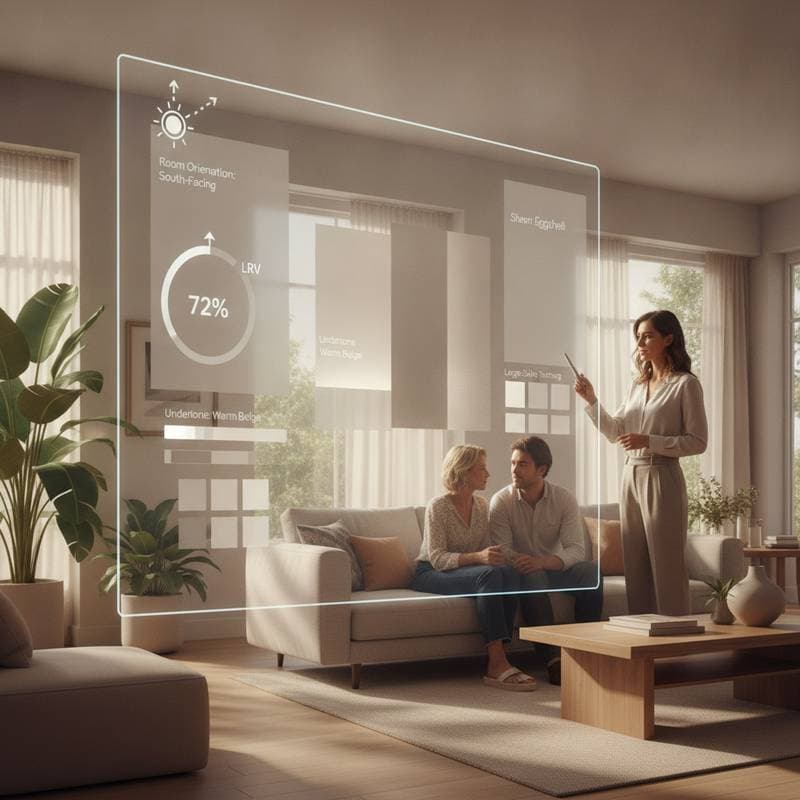
Color perception varies with alterations in illumination, viewing angle, and texture. A shade that appears ideal on a mobile device screen may transform dramatically amid furniture, flooring, and natural daylight. Professional painters account for these factors prior to palette suggestions. They examine sunlight orientation, indoor bulb types, and reflective elements that modify tone.
AI color applications fall short in replicating this intricacy. These tools depend on digital simulations assuming consistent lighting and smooth surfaces. Even augmented reality features falter against shadows and reflections. Consequently, users select hues that prove unbalanced post-application.
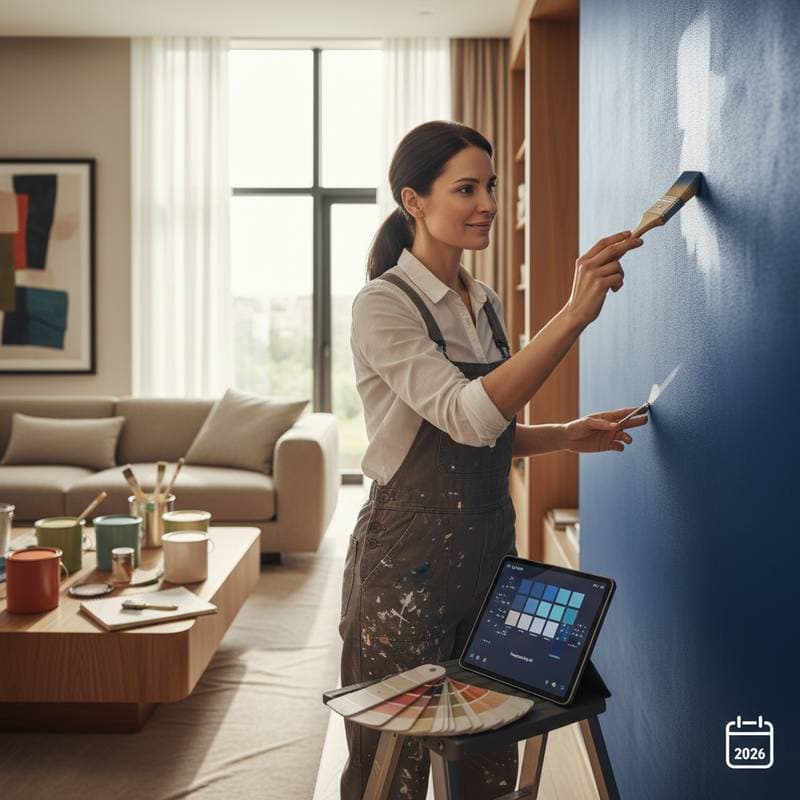
Experienced painters apply physical samples, test patches on-site, and refine shades through direct observation. Although this method requires additional time compared to a scan, it guarantees dependable results. The core distinction resides in contextual adaptation. Human vision and expert evaluation respond to surroundings, whereas AI interprets fixed inputs.
Financial Implications of Color Errors
Selecting an incorrect paint shade incurs expenses beyond initial expectations. Redoing an entire room or exterior area involves labor, supplies, and downtime. AI color applications overlook these repercussions. They emphasize the selection phase without addressing revision risks.
Professional painters integrate cost-effectiveness throughout the project. They align aesthetic desires with durability and upkeep needs. For instance, specific colors degrade quicker under solar exposure, while others accentuate flaws on irregular walls. Painter recommendations steer clients clear of such issues, preserving funds and reducing aggravation.
The Value of Human Intuition and Design Sense
AI excels at pattern recognition but cannot grasp emotions or stylistic inclinations outside provided data. Individuals select colors influenced by sentiment, character, and desired ambiance. Converting these intangibles into selections demands empathy and dialogue, attributes absent in technology.
Professional painters engage with client objectives, analyze structural features, and weave design aspects into unified suggestions. They comprehend color effects on mood and undertone interactions under authentic lighting. AI generates mathematically harmonious options, yet seldom conveys the emotional depth that renders a space inviting.
Expertise in Application Techniques
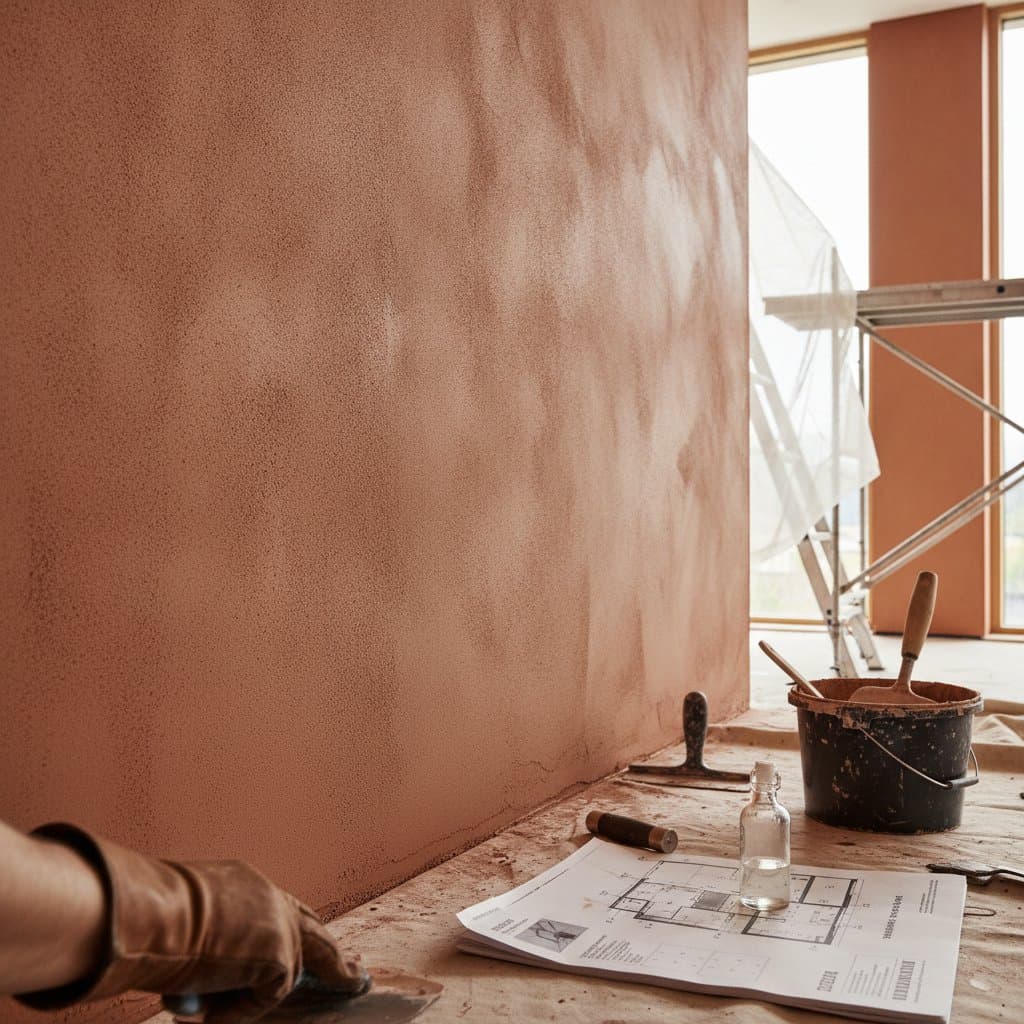
Painting transcends mere color application. Choices in surface preparation, primer types, and finishing methods dictate final appearance and longevity. AI applications conclude at the planning stage. They disregard physical factors like moisture levels, prior layers, or substrate varieties.
Professional painters scrutinize these aspects before commencement. They detect areas requiring fixes, suggest suitable primers, and choose paints with optimal sheen and formulation. This approach secures uniform coverage, true color expression, and enduring quality.
Absent thorough preparation, a meticulously selected color may manifest unevenly or lack vibrancy. No application forecasts these variables. Professional skill connects theoretical plans to practical outcomes.
Benefits Extending Past Color Guidance
Engaging professionals yields more than precise advice. Services include responsibility, guarantees, and premium materials. Contractors access superior products unavailable in standard outlets. They also evaluate brand performance across conditions.
AI color applications provide ease but burden users with all choices. Dissatisfying results lack recourse or adjustments. Professional painters uphold their output, from initial discussion to completion review.
AI Tools Versus Professional Expertise
| Aspect | AI Color Apps | Professional Painters | Key Difference |
|---|---|---|---|
| Color Accuracy | Relies on illumination and device fidelity | Grounded in on-site evaluation | Human senses adjust to real conditions |
| Customization | Constrained by user data | Tailored suggestions | Painters factor in structure and emotion |
| Execution | Limited to virtual displays | Complete prep and application | Professionals produce physical outcomes |
| Durability Insight | Ignores aging and care | Choices prioritize endurance | Ensures sustained performance |
| Support | Algorithmic recommendations | Direct guidance and aftercare | Provides reliability and resolution |
Integrating Technology with Professional Practice
Professional painters embrace technology without dismissal. Many incorporate digital aids for scheme visualization, supply estimation, or client interaction. The key difference emerges in technology's supportive role to expertise, not substitution.
AI applications streamline operations when applied appropriately. They refine color categories, offer rapid previews, and spark ideas. However, they function as aids, not substitutes for discernment, skill, and interaction. Optimal results arise from technology augmenting professionals.
Steps for Effective Home Color Choices
Homeowners seeking dependable outcomes view AI color tools as initial resources, not definitive sources. Employ them to collect concepts, investigate schemes, and imagine scenarios. Subsequently, engage a professional painter to verify selections, assess practicality, and customize to the environment.
This partnership merges technological speed with human discernment. It reduces error expenses and confirms colors enhance both visually and sensorially. Professional input investment typically offsets through avoided repaints and heightened contentment.
Allocating Funds Wisely for Painting
Budgeting for painting encompasses selection and execution. AI applications seem cost-free, yet errors generate concealed charges. Correcting one room demands hundreds in labor and materials. Starting with professionals secures accurate hues, proper prep, and lasting finishes.
Reserve a modest budget segment for expert advice. Insights shape not only colors but also supplies, prep, and durability. This forward-thinking measure prolongs paint lifespan and elevates property worth.
Frequently Asked Questions
1. How accurate are AI color matching apps compared to professional painters?
AI applications achieve digital matches within narrow tolerances, contingent on light, device precision, and calibration. Professional painters rely on tangible samples and ambient conditions for superior exactness and dependability.
2. What are the most common mistakes homeowners make when using AI color tools?
Frequent errors involve picking shades from screens without real-light trials, neglecting undertones, and disregarding texture influences. Professionals circumvent these by using actual test applications and environmental adjustments.
3. Can AI apps help me save money on painting projects?
AI tools accelerate option refinement, conserving planning effort. However, flawed selections post-painting incur correction costs exceeding savings. Expert involvement safeguards budgets against such setbacks.
4. Should I trust color palettes for my entire home?
Palettes inspire but often neglect lighting variances or room purposes. Professional painters customize each selection for cohesion and suitability across spaces.
5. How can I ensure my chosen color looks the same on the wall as it does in the sample?
Apply test paint in several room spots and review under diverse lights. Professionals advocate this prior to full use and tweak formulas for dry-tone accuracy.
6. What role does a professional color consultation play in the painting process?
Consultations blend design acumen, light analysis, and material knowledge. They convert visions into viable, enduring applications, conserving time, preventing faults, and harmonizing with home features.