Why Wet-on-Wet Painting Reduces Project Time by 50 Percent
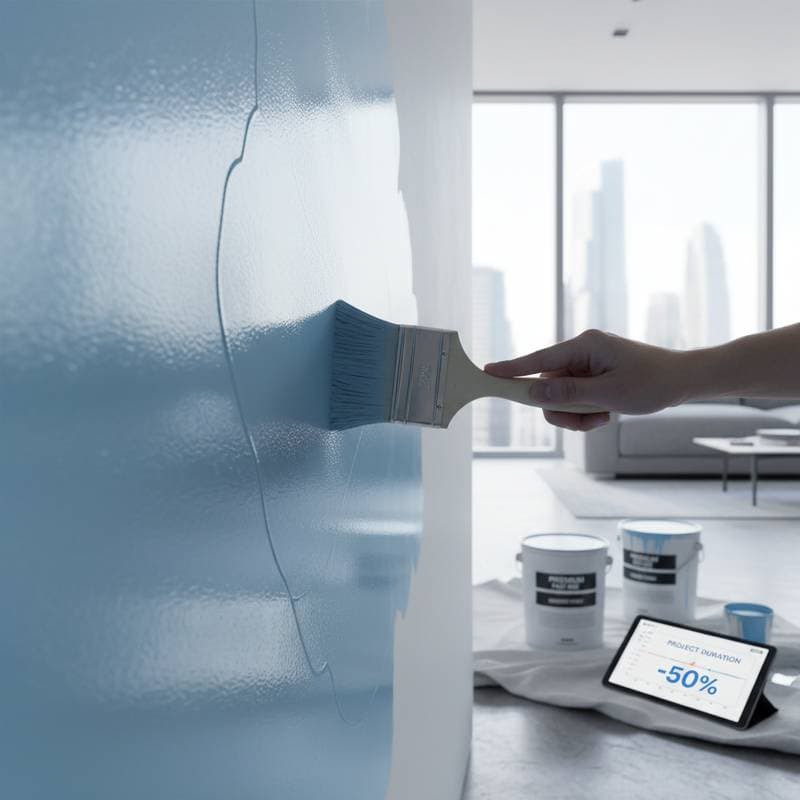
The wet-on-wet painting technique revolutionizes approaches to interior and exterior projects for professional painters and homeowners alike. This method enables the application of fresh paint coats before the previous layer dries completely, streamlining large-scale work with remarkable efficiency. By minimizing drying intervals and enhancing layer integration, wet-on-wet application halves overall painting duration while preserving superior finish quality.
Understanding the Wet-on-Wet Process
Conventional painting requires full drying between coats to secure adhesion, which frequently extends projects over several days. In contrast, wet-on-wet painting involves adding the next coat when the prior one remains tacky or moist. This approach allows layers to merge seamlessly, resulting in a even surface that minimizes brush marks and textural inconsistencies. The uninterrupted process eliminates idle periods, accounting for the substantial acceleration in workflow.
Comparing Costs and Timelines
Time efficiencies from wet-on-wet techniques directly lower labor expenses, which typically comprise 60 to 70 percent of painting budgets. Even modest reductions in hours yield notable financial benefits. The following table illustrates typical differences based on project scale, paint variety, and preparation demands.
| Project Type | Traditional Method | Wet-on-Wet Method | Time Savings | Typical Cost Reduction |
|---|---|---|---|---|
| Interior Room | 2 to 3 days | 1 to 1.5 days | 40 to 50 percent | 15 to 25 percent |
| Exterior Home | 5 to 7 days | 3 to 4 days | 45 to 50 percent | 20 to 30 percent |
These estimates adjust according to specific conditions, yet the advantages in speed and expense persist across scenarios. Shorter timelines enable quicker project turnover and decreased billing for services.
Key Factors Affecting Wet-on-Wet Performance
Success with wet-on-wet painting hinges on several critical variables. Painters and homeowners benefit from addressing these to optimize outcomes.
Paint Selection and Quality
Premium paints featuring robust binders and fluid consistency excel in wet-on-wet scenarios. Acrylic latex formulations prove particularly suitable, as they offer extended open time for effective blending and uniform curing.
Preparation of Surfaces
Thorough surface readiness remains essential, despite shortened coat intervals. Primed and cleaned substrates promote reliable absorption and bonding. Neglecting this step risks irregular results that demand corrective work, undermining efficiency gains.
Control of Environmental Variables
Drying rates depend on humidity, temperature, and ventilation. Rapid setting in arid or warm settings complicates layer fusion. Controlled indoor environments with moderate conditions facilitate flawless integration.
Mastery of Application Methods
Skilled practitioners employ coordinated rolling and edging to sustain wet edges over broad expanses. Precise timing ensures continuous coverage, proving vital for overhead or extensive vertical surfaces.
Advantages in Finish Quality and Aesthetics
Beyond acceleration, wet-on-wet painting elevates surface uniformity. Wet layer fusion conceals strokes from brushes and rollers effectively. This proves advantageous for sheen levels like satin or semi-gloss, where flaws appear prominently. Consequently, fewer applications suffice, conserving supplies and simplifying post-work cleanup.
Realizing Value Through Efficient Painting
Homeowners gain convenience and savings from expedited timelines, experiencing minimal daily interruptions and reduced crew charges. In property markets, prompt painting completions support swift listings or relocations. The refined aesthetics from this technique enhance space appeal, delivering enduring returns for homes and businesses.
Practical Strategies for Optimal Results
Implement these approaches to harness wet-on-wet benefits fully:
- Select paints designed for prolonged workability to support thorough blending.
- Sequence applications strategically, progressing section by section to preserve moist edges.
- Integrate edging and rolling in rapid succession, ensuring even moisture retention.
- Refrain from reworking dried areas, which may introduce gloss variations.
- Time projects for temperate weather to sustain ideal curing dynamics.
Such practices balance velocity with lasting performance.
Budgeting Effectively for Wet-on-Wet Projects
Factor in savings on materials and labor when estimating costs. Although high-end paints incur a modest initial premium, they diminish coat requirements and duration. Allocate a buffer for potential refinements or preparatory surprises. Partnering with technique-proficient contractors guarantees efficient timelines and uniform execution.
Common Questions About Wet-on-Wet Painting
What Cost Differences Arise Between Wet-on-Wet and Traditional Methods?
Wet-on-wet initiatives typically reduce overall expenses by 15 to 25 percent through abbreviated labor. Material outlays remain comparable, but streamlined coats and timelines decrease aggregate charges.
When Should You Schedule a Wet-on-Wet Painting Project?
Moderate seasons like early spring or fall suit this method best, with balanced temperature and humidity extending paint usability. Steer clear of extremes in dryness or moisture to ensure reliable fusion.