The $300 Caulking Blunder Ruining Your Paint Job
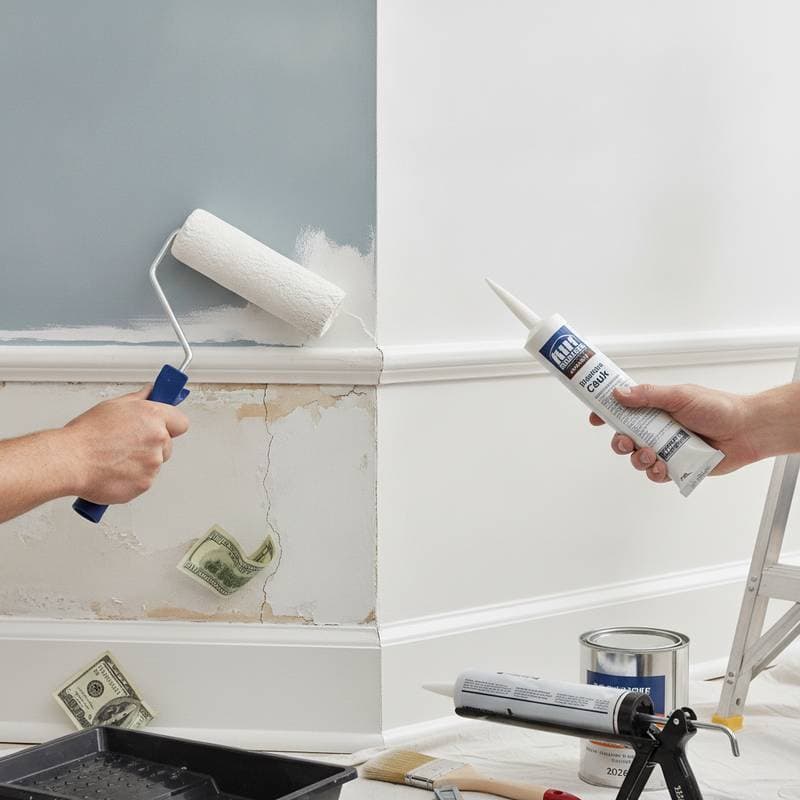
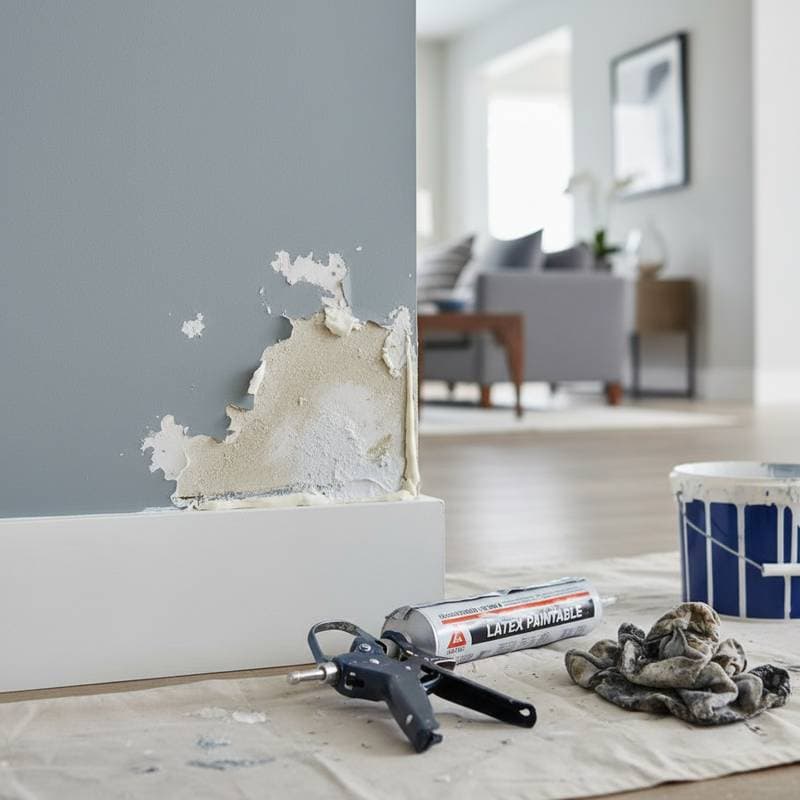
A single oversight in caulking can transform a promising paint job into a costly disaster. Homeowners often invest hundreds in fresh coats of paint, only to watch them peel, bubble, or crack due to improper sealing. This article explores the common caulking errors that lead to such failures and provides expert guidance on avoiding them for a durable, professional finish.
Why Professional Caulking Matters
Professional services offer distinct advantages over DIY attempts, particularly for complex projects. Time investment decreases because experts complete the work efficiently while delivering consistent results. Tools and equipment include commercial-grade caulking guns, specialty sealants designed for various surfaces, and precise surface preparation tools that ensure optimal adhesion.
Safety considerations remain paramount, as professionals manage ladders, scaffolding, and exterior hazards with proper protocols. Quality expectations encompass even lines, strong adhesion, and full compatibility with premium paints. Cost comparison reveals that professional caulking combined with repainting typically ranges from $300 to $700 for small to medium projects, a fraction of potential repair expenses from errors.
Hiring experts proves essential for tasks involving exterior siding, vaulted ceilings, or diverse surface materials. These scenarios demand precision and experience to guarantee proper paint adhesion and weather resistance.
How Professionals Handle the Process
Experienced painters adhere to a methodical approach that integrates caulking seamlessly into the painting workflow. This process prevents common pitfalls and enhances the overall longevity of the finish.
Step 1: Inspection and Removal
The process commences with a thorough inspection for loose or cracked caulk, peeling paint, and signs of moisture damage. Professionals employ a scraper or utility knife to remove old caulk carefully, minimizing any risk to the underlying substrate. This step uncovers hidden issues that could compromise the new application.
Step 2: Cleaning and Preparation
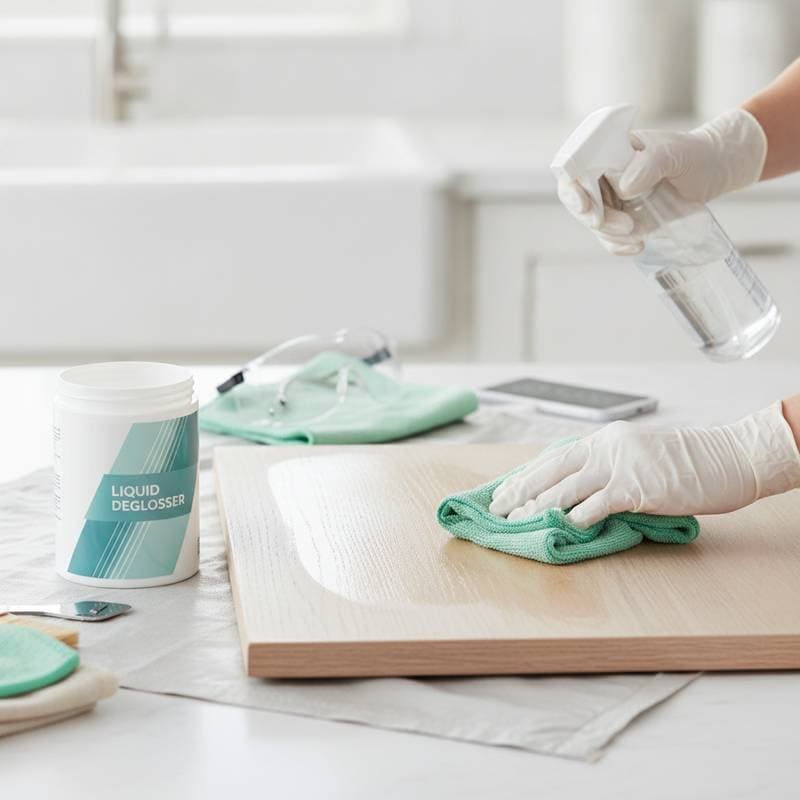
Surfaces receive a deep clean to eliminate dirt, grease, and dust particles. In cases of mildew, targeted treatments neutralize the growth before proceeding. This preparation forms the critical foundation for successful caulking and painting.
Step 3: Applying New Caulk
Experts apply caulk using steady, consistent pressure to form a uniform bead along joints and seams. They smooth the application with a specialized tool or a dampened finger for a professional appearance. Painter's tape protects adjacent areas, preventing overfill and ensuring neat, precise lines.
Step 4: Curing and Painting
Caulk cures fully before any primer or topcoat application, allowing for secure bonding. This timing promotes even color distribution, robust adhesion, and enduring durability against environmental stresses. Rushing this phase invites the very failures the process aims to avoid.
Step 5: Final Inspection
A comprehensive review identifies any gaps, bubbles, or visible seams in the sealed areas. Professionals verify that all elements blend smoothly with the surrounding paint surface. Only upon satisfaction with these details does the project conclude.
Preventing the $300 Caulking Mistake
Homeowners gain control over their projects by adopting proven practices that sidestep expensive errors. These strategies focus on material selection, technique, and timing to safeguard the investment.
- Select the appropriate caulk type. Opt for paintable, exterior-grade options suited to outdoor exposures.
- Prepare surfaces meticulously. Ensure cleanliness, dryness, and complete removal of old caulk.
- Apply caulk with uniformity. Maintain steady pressure and refrain from overfilling joints.
- Observe curing periods. Allow full setting as specified by the manufacturer before painting.
- Monitor environmental factors. Work in moderate temperatures and humidity for best outcomes.
- Conduct annual inspections. Reapply caulk promptly to preserve watertight integrity.
Implementing these measures not only saves funds but also eliminates the aggravation of premature paint deterioration or trim damage.
Planning Your Project
Surface preparation dictates the success of any painting endeavor, whether for a single room or full exterior. Caulking serves as a pivotal element, sealing vulnerabilities and bolstering resilience. When executed correctly, it elevates the aesthetic and functional quality of the result.
Assess existing caulk conditions prior to initiating paint work. Uncertainty regarding products or techniques warrants professional consultation. This proactive step averts future expenditures and secures a flawless, enduring surface.
Frequently Asked Questions
Why Does Poor Caulking Cause Paint to Peel or Bubble?
Moisture trapped beneath the paint surface triggers failure. Non-paintable or poorly applied caulk hinders adhesion or retains water, resulting in peeling, bubbling, or cracking after drying.
How Long Should One Wait to Paint After Caulking?
Latex caulks generally dry in a few hours, whereas silicone blends require extended time. Adhere to product guidelines and confirm firmness by touch before proceeding.
Should One Hire a Professional or Handle Caulking Independently?
DIY suits minor indoor gaps with steady application. Larger exterior efforts or precision trim demand professional expertise for superior, warranted outcomes.
How Can One Determine If Existing Caulk Requires Replacement?
Examine for cracks, gaps, or discoloration. Brittle texture or separation from the surface signals lost elasticity, necessitating replacement prior to painting.
What Type of Caulk Suits Painting Projects?
Select paintable acrylic latex or siliconized acrylic varieties. Steer clear of pure silicone, which repels paint. Exterior applications benefit from weather-resistant formulations.
What Indicates Incorrect Caulking Application?
Irregular lines, air pockets, tacky residues, or uneven paint drying signal issues. Address these by scraping and reapplying with suitable materials.