Why Wet Sanding Defines Luxury Home Finishes in 2026
Luxury finishes capture attention through their subtle glow, inviting texture, and impeccable reflections. Wet sanding emerges as the essential technique to achieve this level of refinement. Originally developed for high-end automotive applications, it now elevates home painting and finishing projects. When applied correctly, wet sanding converts standard paint surfaces into sleek, radiant ones that enhance both interiors and exteriors. This method offers versatility for projects of any scale, allowing homeowners and professionals alike to achieve professional results.
Understanding Wet Sanding
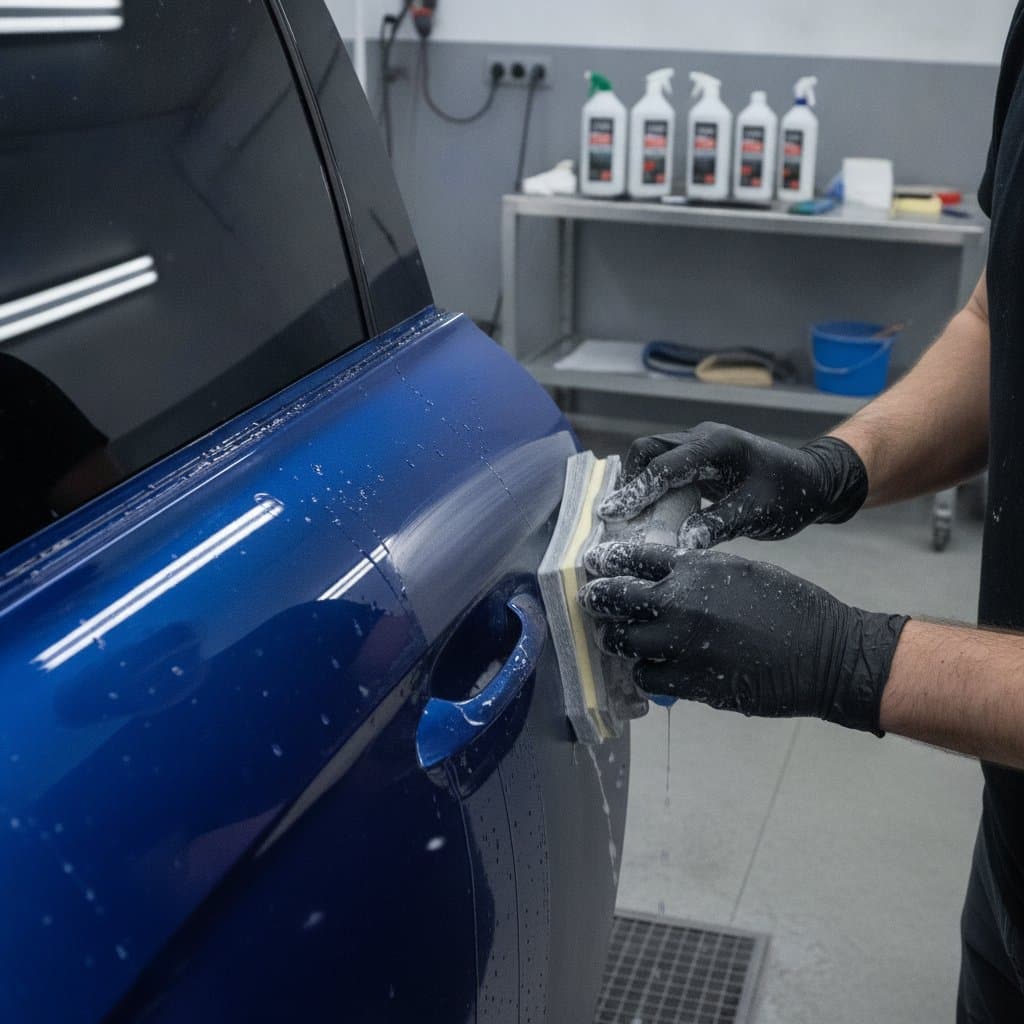
Dry sanding relies on abrasive paper that generates significant dust and uneven abrasion. Wet sanding introduces water to moderate the process, producing a controlled smoothing action while minimizing dust. The water serves as a lubricant and rinse, removing particles to prevent additional surface scratches. This approach yields a refined texture, enhanced sheen, and a finish that performs well under various lighting conditions.
Beyond aesthetics, wet sanding boosts the longevity of paint by eliminating microscopic imperfections. It ensures an even base for subsequent coats, promoting superior light diffusion and a premium tactile experience.
Advantages for Luxury Residences
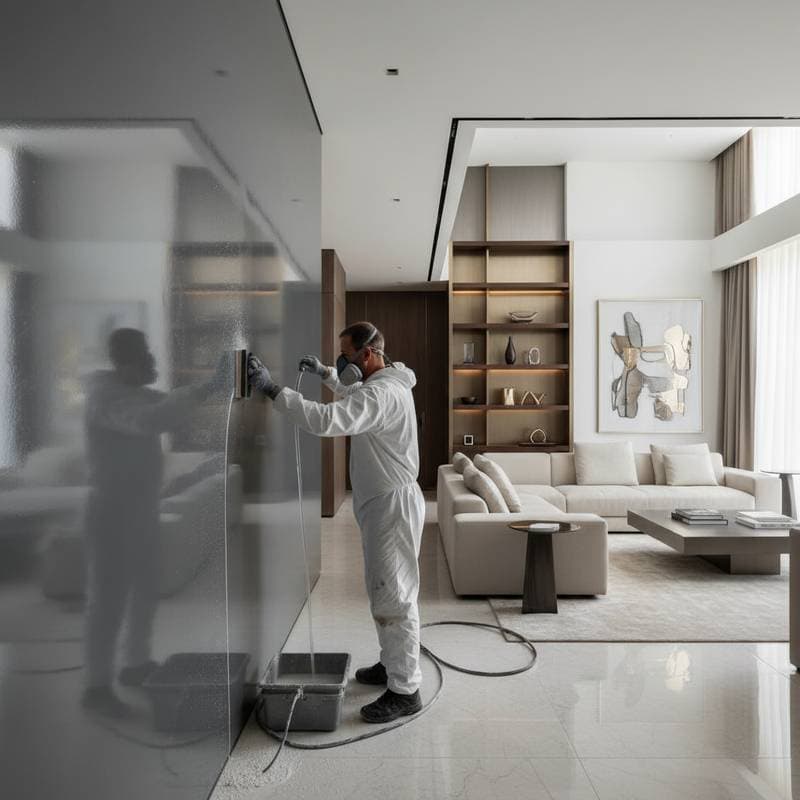
High-end homes require fluid integration of design elements, including flawless paint applications. Wet sanding provides the smoothness necessary for finishes ranging from satin walls in wellness spaces to glossy lacquered cabinetry. It removes subtle inconsistencies, allowing light to travel uniformly across surfaces. This creates an impression of depth and precision, both visually and upon touch.
In professional settings, such as design photography or video production, wet sanding ensures details withstand close examination. Teams achieve polished results efficiently, reducing the need for extensive corrections. The technique delivers mirror-like quality with minimal disruption.
Step-by-Step Wet Sanding Process
Step 1: Prepare the Surface
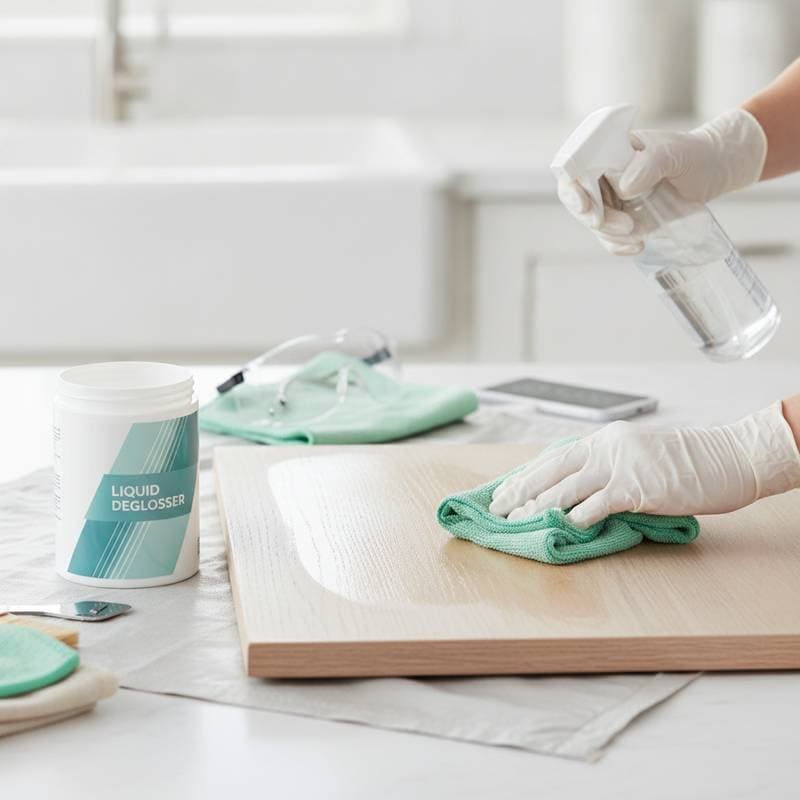
Begin with a thoroughly cleaned surface where the paint has fully cured. Residual stickiness disrupts the sanding, so allow adequate drying time. Remove dust and residues with a gentle wipe-down, using a neutral cleaner if oils are present, then ensure complete dryness.
Step 2: Select Appropriate Grit
Opt for wet-dry sandpaper with grits from 1000 to 3000 for interior applications. Lower grits around 1000 suit initial leveling, while 2000 or 3000 provide final refinement. Maintain constant moisture on both the paper and surface using fresh water.
Step 3: Apply Even Sanding
Employ a flexible sanding block to distribute pressure uniformly. Work in circular or linear patterns over small sections, ensuring lubrication throughout. Monitor the surface frequently; aim for a uniform satin appearance without exposing underlying layers.
Step 4: Clean and Inspect
After achieving consistency, rinse the area completely and pat dry with a clean, lint-free cloth. The texture will feel noticeably smoother at this stage, indicating effective preparation.
Step 5: Polish for Final Sheen
For glossy outcomes, apply a fine buffing compound with a soft microfiber applicator to eliminate remaining haze. This step enhances reflectivity. For satin or matte effects, omit buffing to preserve the natural subtlety.
Adapting to Different Budgets
Wet sanding accommodates various financial levels without compromising quality.
Entry-Level Approach:
For small items like furniture or trim, a single sheet of 2000-grit paper and a water source suffice. This method produces a refined finish with minimal investment.
Moderate Investment:
When treating walls or larger cabinetry, acquire durable wet-dry sheets, a padded block, and a basic compound. These essentials support multiple applications and yield results close to expert standards.
Premium Execution:
Large-scale luxury endeavors benefit from powered wet sanders and specialized compounds. Such tools guarantee precision across expansive areas like custom paneling.
The process adapts seamlessly, rewarding methodical application regardless of project size.
Compatibility with Various Materials
This technique suits a range of coatings, including water-based paints, lacquers, and polyurethanes. Consider the material's hardness and curing duration; firmer options tolerate aggressive grits, while softer ones require gentler handling and ample lubrication. Test on an inconspicuous area to gauge response.
With metallic or pearlescent paints, wet sanding distributes reflective elements evenly for consistent luster. This enhances visual appeal under ambient or focused lighting, much like in professional staging environments.
Health and Cleanliness Benefits
Unlike dry methods, wet sanding contains particles in the rinse water, slashing airborne dust. Workspaces remain tidy, and respiratory exposure decreases significantly. This proves invaluable in allergen-sensitive households or during occupied renovations, eliminating post-work residue on furnishings.
Case Study: Achieving Piano-Like Gloss
In a recent upscale renovation, the team sought to replicate a high-shine piano finish on bespoke cabinetry. After applying several lacquer layers, the surface lacked desired uniformity. Introducing wet sanding at 2000 grit between coats transformed the result. The panels gained an extraordinary smoothness, prompting the client to admire their tactile elegance repeatedly.
Under photographic conditions, the even reflections elevated the space's sophistication. This application combined endurance, visual impact, and professional acclaim.
Essential Techniques for Optimal Results
- Apply light pressure to allow the abrasive and water to refine the surface without damage.
- Refresh the sandpaper frequently to clear embedded particles and avoid marring.
- Tackle sections incrementally for uniform outcomes over expansive areas.
- Utilize angled lighting to detect irregularities during the process.
- Conclude with meticulous cleaning before any additional treatments.
Scientific Principles of Enhanced Finish
Wet sanding excels by addressing submicroscopic surface variations formed during paint drying. It levels peaks and troughs, fostering even light interaction for heightened gloss. The water minimizes frictional heat, preserving coating integrity, and flushes debris to prevent reabrasion. Consequently, the surface not only appears superior but also withstands daily use more effectively.
Ideal Applications for Wet Sanding
Employ this method for:
- High-sheen paints requiring polished clarity
- Cabinetry, doors, and moldings where interaction is frequent
- Moisture-prone areas like bathrooms emphasizing durability and luster
- Accent features designed to capture illumination
- Refurbishments targeting restored perfection
Avoid it for matte or textured coatings prioritizing light scattering, though spot applications can remedy flaws prior to topcoating.
Common Pitfalls and Prevention
- Rushing the curing phase leads to unstable sanding; wait for full hardness.
- Selecting coarse grits risks excessive removal rather than refinement.
- Mixing dry techniques mid-process introduces contaminants.
- Overlooking water purity may deposit residues; prefer filtered sources.
Adhering to these practices ensures a seamless execution.
Sustaining the Elegance of Wet-Sanded Surfaces
A wet-sanded finish redefines expectations for painted elements through its smooth tactility and enduring appeal. Upkeep simplifies, as even surfaces repel accumulation and respond well to routine care. This technique empowers creators to infuse spaces with accessible sophistication, where precision meets practicality for timeless results.