Level 5 Drywall Finishing: The $800 Upgrade Homebuyers Demand
A flawless wall surface creates an instant positive impression. In contemporary homes, such a finish represents more than luxury; it serves as a standard for quality construction. Homeowners increasingly select Level 5 drywall finishing to achieve the ultimate smoothness, which distinguishes premium properties and attracts buyers who prioritize superior craftsmanship.
Knowledge of Level 5 drywall processes, associated expenses, and appropriate applications empowers homeowners to decide wisely on aesthetics and long-term value.
Defining Level 5 Drywall Finishing
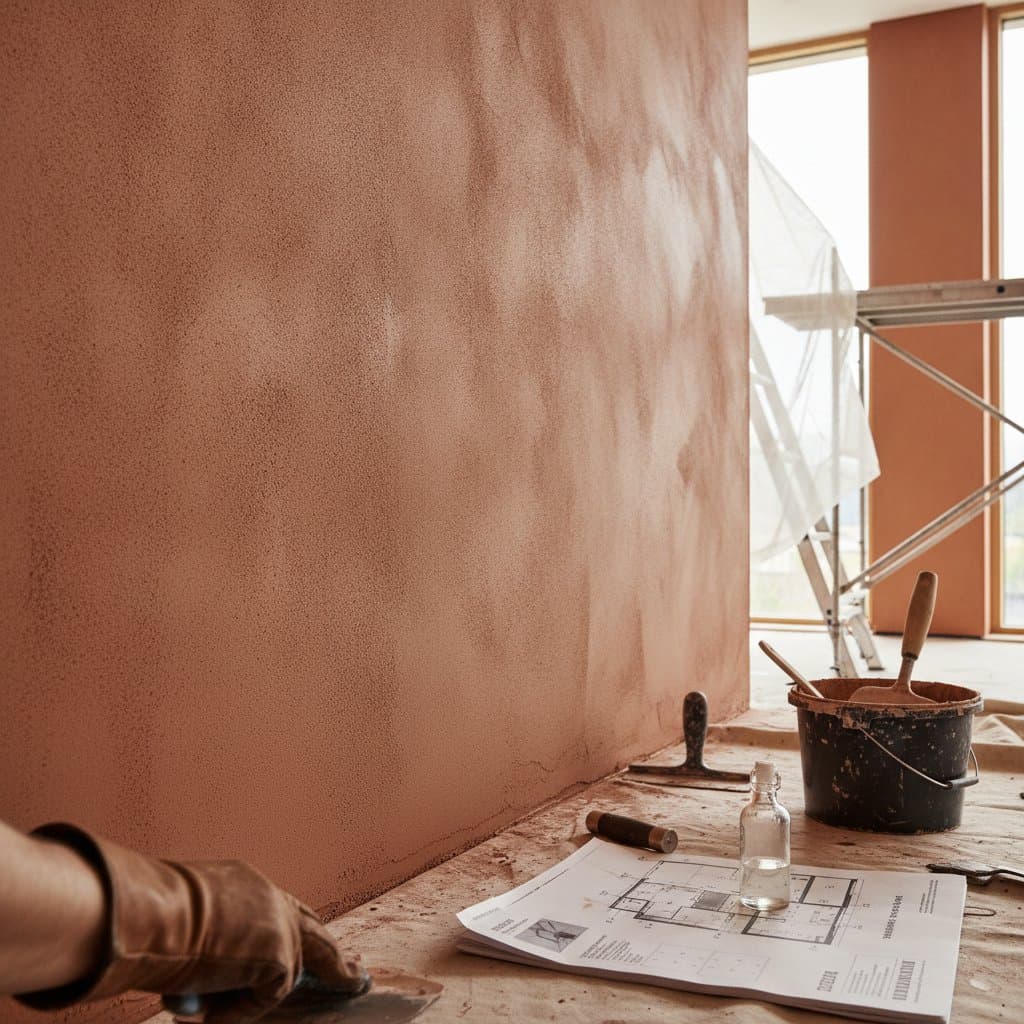
Drywall finishing follows a five-level system, where each level indicates the extent of surface preparation prior to painting. Levels 0 to 4 involve progressive steps of joint taping, compound application, and sanding to refine the surface. Level 5 incorporates an additional skim coat of joint compound applied over the entire wall, filling minute imperfections and ensuring a perfectly even texture suitable for premium paints or textured finishes.
This level proves essential in areas exposed to intense lighting, where it prevents visible shadows or irregularities. It supports the use of flat, eggshell, or gloss paints by providing a base that reflects light uniformly without highlighting flaws.
Breaking Down Project Costs
Typical Cost Estimates
- Single room: $700 to $900 for standard dimensions
- Multiple rooms or open spaces: $1,000 to $1,500
- Extensive areas in luxury homes: $2,000 or more
Core Components Included
- Full skim coat application with joint compound or spray textures
- Thorough sanding and preparation for optimal paint adhesion
- Patching minor imperfections to achieve seamless blending
- Site cleanup and quality inspection upon completion
Additional Expenses
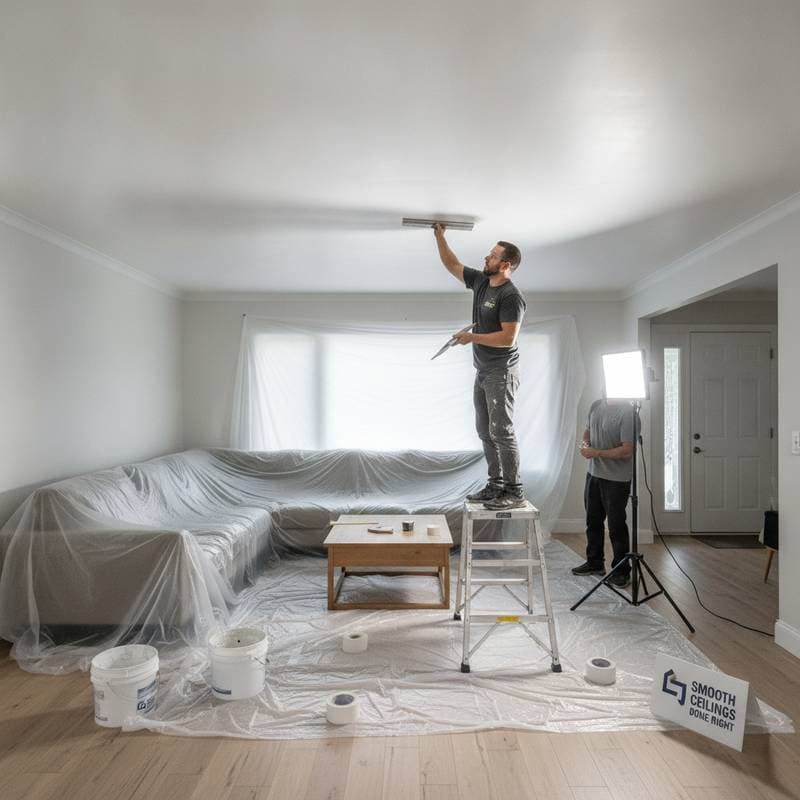
- Ceiling work at Level 5, which adds $1 to $2 per square foot due to overhead challenges
- Pre-finishing repairs for damaged panels or seams
- Specialized compounds or primers designed for high-performance paints
- Access complications from complex architecture or tight spaces
Influences on Total Expenses
| Factor | Impact on Cost | Specific Examples |
|---|---|---|
| Room Dimensions | Scales with square footage | Vaulted ceilings or expansive layouts |
| Existing Surface Quality | Increases preparation needs | Misaligned seams or surface dents |
| Paint Specifications | Demands higher precision | Satin sheens or deep color tones |
| Finishing Technique | Varies by equipment used | Spray application for uniformity |
| Local Market Rates | Reflects skilled labor availability | Urban premiums for expert finishers |
Reasons Homeowners Opt for Level 5
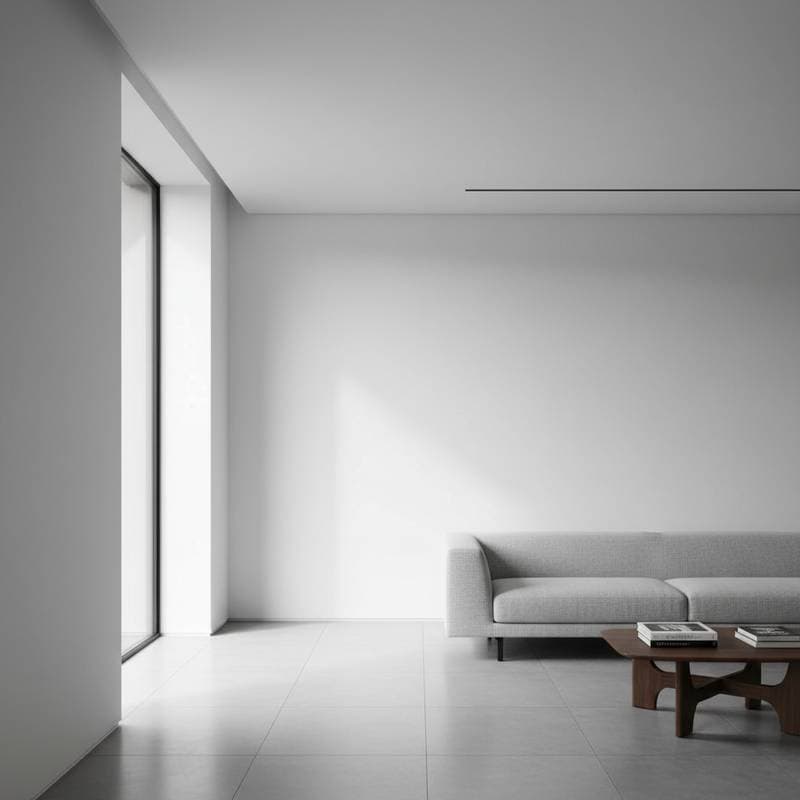
Level 5 finishing produces walls with the polished look of showcase interiors. Once painted, these surfaces reveal no traces of seams or texture variations, unlike Level 4, which may display subtle lines under raking light. This uniformity serves as an ideal canvas that amplifies room features, including fixtures, moldings, and decor elements.
Real estate experts observe that properties with Level 5 walls stage more effectively in photographs and draw buyers seeking evidence of meticulous build quality.
Ideal Scenarios for the Upgrade
Select Level 5 finishing when conditions amplify surface visibility:
- Intense Illumination: Spaces with abundant natural light or recessed fixtures expose minor defects.
- Reflective Coatings: Eggshell or semi-gloss paints benefit from the even base to avoid glare inconsistencies.
- Premium Environments: Upscale residences, commercial offices, or display areas require consistent perfection.
- Overhead or Focal Surfaces: Ceilings and feature walls interact with light at angles that reveal textures.
In low-light rooms using matte paints, Level 4 often suffices. Evaluate based on aesthetic goals, financial constraints, and intended room function.
Expert Application Versus Homeowner Efforts
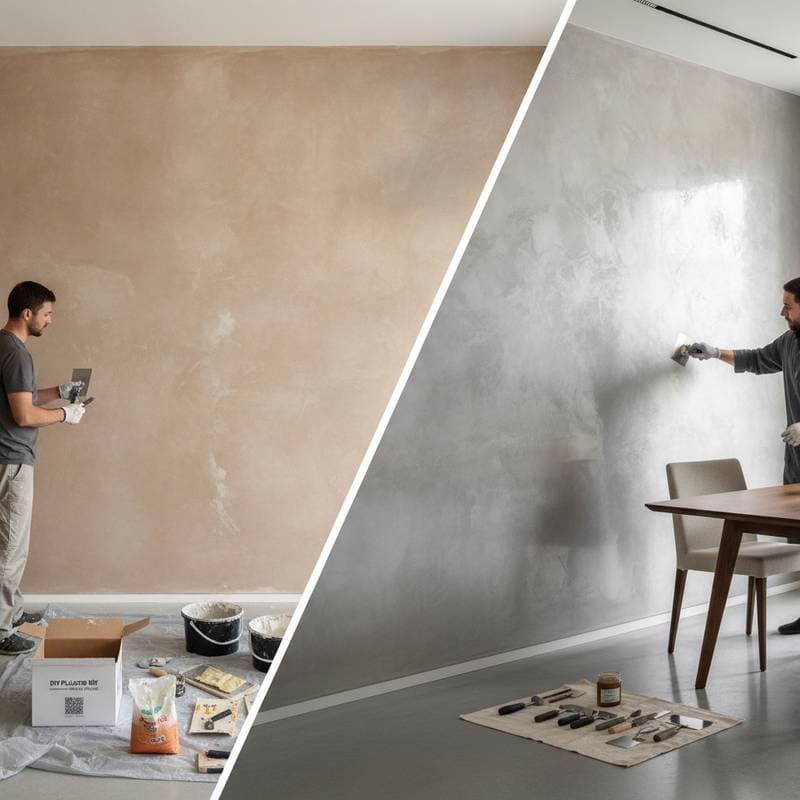
Mastering Level 5 demands professional expertise. While individuals may manage basic repairs or lower-level finishes, applying a consistent skim coat across broad areas requires practiced technique. Specialists employ tools like broad knives, feather-edged blades, or automated sprayers to ensure uniform coverage without overlaps or ridges.
Essential Skills
- Precise mixing of joint compound for optimal viscosity
- Feathering edges to blend seamlessly and prevent visible transitions
- Effective sanding techniques with dust extraction systems
Equipment Considerations
Basic DIY supplies for skim coating begin at $100, yet professional sprayers and precision tools exceed $1,000 in value. For superior outcomes, engaging a qualified specialist saves time and delivers a paint-ready surface free of inconsistencies.
Timeline Expectations
Experts finish a standard room in two to three days, accounting for application, curing, and refinement stages. Amateur attempts frequently extend beyond a week due to trial-and-error adjustments and necessary corrections.
Selecting a Qualified Specialist
Identify contractors proficient in Level 5 through targeted evaluation rather than casual inquiries. Prioritize those focused on fine drywall work or detail-oriented painting services.
Evaluation Steps
- Assess Track Record: Inquire about annual Level 5 completions to gauge specialization.
- Examine Portfolios: Seek images or physical samples demonstrating flaw-free results.
- Verify Qualifications: Confirm active licenses, insurance coverage, and relevant certifications.
- Discuss Methods: Clarify use of hand-troweling or spray techniques for your project.
- Analyze Bids: Scrutinize estimates for completeness; avoid those omitting key phases.
Request a comprehensive proposal detailing prep work, materials, and timelines. Establish clear expectations early to foster a collaborative process.
Steps to Prepare Your Space
Homeowners contribute to efficiency by readying the area in advance:
- Remove furnishings and decor to provide unobstructed access.
- Protect flooring, outlets, and HVAC systems from dust accumulation.
- Schedule allowances for compound drying between layers.
- Align timelines with concurrent renovations if applicable.
Post-application, allow full curing before sanding or priming. Patience at this phase preserves the intended smoothness.
Integrating Level 5 into Your Renovation Strategy
Incorporate Level 5 finishing into budgets for high-impact zones where illumination and style intersect. This modest additional expenditure yields walls that impart a sense of refinement and durability. Even neutral hues gain elegance against such a pristine foundation.
Collaborate with firms like O’Connor Painting LLC from the outset to align finish specifications with overall project logistics. This approach secures materials, timelines, and expenses that culminate in exemplary workmanship.
Frequently Asked Questions
Why Does Level 5 Exceed Level 4 in Cost?
Level 5 incorporates a comprehensive skim coat, necessitating extended labor for application, drying, and sanding. This process addresses subtle surface variances, typically increasing expenses by $1 to $2 per square foot over Level 4 standards.
What Is the Duration for a Level 5 Project?
A single room requires two to three days, influenced by environmental factors like humidity and chosen methods. Expansive or multi-room endeavors may span an additional few days.
Is Level 5 Feasible for Homeowner Application?
Achievement demands significant skill for even distribution and flaw elimination. Professionals deliver reliable uniformity, whereas self-attempts risk painted irregularities from inconsistent layering.
When to Choose a Drywall Specialist Over a General Handyman?
Generalists suit minor fixes in concealed spots. For comprehensive room treatments or elevated standards, select licensed drywall or painting experts equipped for precision work.
What Preparations Precede the Skim Coat?
Base the surface at Level 4 with taping, compounding, and initial sanding. Ensure cleanliness, dryness, and protection for adjacent areas, plus adequate airflow for curing.
What Post-Completion Issues Might Arise?
Potential concerns include streaks, matte spots, or sheen variations from incomplete coverage or sanding errors. Address these through targeted reapplication; thorough final checks by the specialist mitigate such problems before painting.