Understanding Sanded and Unsanded Grout
Grout serves as the essential filler between tiles, providing structural support and aesthetic appeal. Sanded grout contains fine sand particles, which add strength and prevent shrinkage in wider joints. Unsanded grout, a smoother paste without aggregates, suits narrower spaces and delicate surfaces.
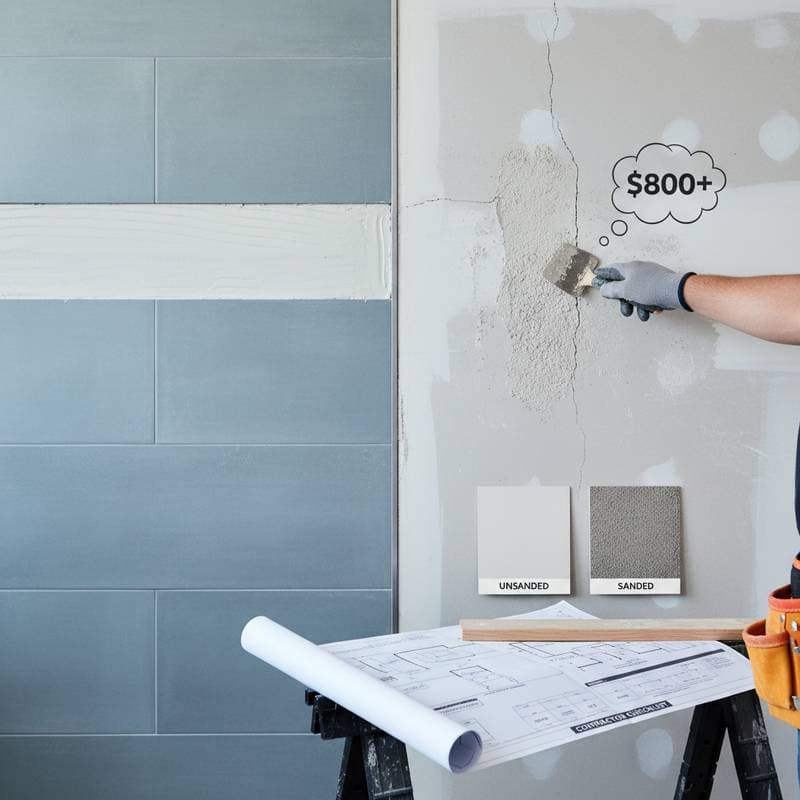
The choice between these types directly affects project outcomes. Incorrect selection leads to cracking, discoloration, or the need for repairs that can cost $800 or more. Homeowners benefit from understanding these differences to ensure a professional-grade finish.
When to Choose Sanded Grout
Sanded grout excels in joints wider than one-eighth inch. The sand enhances flexibility, reducing the risk of cracks as tiles expand and contract with temperature changes. This type also resists wear in high-traffic areas like floors.
Professionals recommend sanded grout for ceramic, porcelain, or natural stone tiles in expansive layouts. It fills larger gaps effectively, maintaining even pressure distribution. For outdoor or moisture-prone installations, the added durability proves invaluable.
When to Choose Unsanded Grout
Unsanded grout fits joints narrower than one-eighth inch, such as those in glass or polished marble mosaics. Its creamy consistency flows smoothly into tight spaces without scratching sensitive surfaces. This variety also achieves a sleek, uniform look in wall applications.
Use unsanded grout in low-traffic zones like bathroom walls or decorative backsplashes. It minimizes visible lines, contributing to a refined appearance. However, it lacks the reinforcement of sand, so avoid it in demanding environments.
Time and Cost Considerations
A typical regrouting project spans one to two days, accounting for removal, application, and initial curing. Full drying before heavy use may extend this to three days. Factors like area size and surface condition influence the timeline.
Costs range from $700 to $1,200, covering labor, materials, and sealing. Sanded grout often costs slightly more due to its composition, while larger projects push expenses higher. Budget for potential add-ons, such as subfloor repairs or custom color matching.
Benefits include enhanced joint stability, improved water resistance, and preserved tile integrity. Proper grout selection extends the lifespan of installations, reducing future maintenance needs.
DIY Versus Professional Application
Homeowners with basic skills can handle small regrouting tasks using readily available tools like grout floats and sponges. This approach saves on labor but requires precision to avoid uneven textures or incomplete sealing.
Professionals deliver superior results through expertise in material mixing and surface preparation. They ensure consistent application, which enhances overall durability and visual appeal. For complex projects, hiring experts prevents the common pitfalls that lead to expensive fixes.
Selecting and Vetting Contractors
Identify contractors experienced in tile work by reviewing their portfolios for grout-specific projects. Prioritize those who demonstrate knowledge of joint widths and material compatibility.
Evaluating Quotes
Request detailed proposals that specify grout type, preparation methods, and post-application care. Compare not only prices but also timelines and inclusion of sealing services. Insist on written guarantees for workmanship.
- Verify grout specifications match your joint sizes.
- Confirm inclusion of cleaning and priming steps.
- Inquire about sealing products and warranty durations.
- Examine photos of completed jobs for texture uniformity.
Verifying Qualifications
Check state licensing for tiling or flooring specialties. Ensure general liability insurance covers property damage during work. Contact at least three references to gauge reliability and finish quality.
Secure a contract detailing scope, payment schedule, and change order procedures. This protects against scope creep and ensures accountability.
Preparing for the Project
Homeowners play a key role in facilitating efficient work. Begin by documenting the current installation with measurements and photographs.
- Relocate furniture and protect adjacent surfaces with drop cloths.
- Address underlying issues like leaks or loose tiles promptly.
- Choose grout color samples under the room's lighting conditions.
- Arrange for adequate airflow in humid areas to aid curing.
- Agree on daily cleanup protocols to maintain a tidy site.
Stay engaged throughout by requesting progress reports on mixing, application, and drying phases. This collaboration minimizes disruptions and aligns expectations.
Achieving Texture Matching and Aesthetic Harmony
Texture consistency proves crucial in repairs, where new grout must blend with existing joints. Professionals start with test patches to calibrate sand content or mixing ratios.
Lighting accentuates mismatches, making subtle differences glaring. Invest in skilled application to preserve room cohesion. For varied tile types, custom additives ensure seamless integration.
Step-by-Step Project Planning
Initiate planning with a site assessment to identify joint conditions and total square footage. Compile reference images of desired finishes to guide discussions.
Allocate a buffer in your budget for unforeseen elements, such as mold remediation or edge detailing. Mid-sized projects typically fall between $700 and $1,000, while intricate designs exceed $1,500.
Schedule around lifestyle needs, blocking off the area during curing. This approach guarantees optimal adhesion and longevity.
The Regrouting Process Overview
Contractors begin by removing old grout with specialized tools, avoiding tile damage. Surfaces receive thorough cleaning to promote adhesion.
New grout mixes to the precise consistency, then applies with even pressure. Excess removes promptly, followed by sealing after curing. Each phase demands attention to detail for professional outcomes.
Maintenance for Longevity
Reseal grout lines every two to three years to repel stains and moisture. Clean regularly with mild solutions, avoiding harsh abrasives that erode texture.
Monitor for early signs of failure, like efflorescence or loosening. Prompt attention preserves the investment and maintains aesthetic appeal.
Frequently Asked Questions
What Determines the Need for Sanded or Unsanded Grout?
Joint width and tile material guide the decision. Opt for sanded in gaps over one-eighth inch for strength; choose unsanded for narrower or fragile setups to prevent surface marring.
How Long Does Professional Regrouting Take?
Standard jobs complete in one to two days, encompassing demolition, application, and basic curing. Expansive areas or repairs add time for thorough drying.
Is DIY Regrouting Feasible for Walls or Tiles?
Minor fixes suit DIY efforts with proper tools. Comprehensive regrouting benefits from professional handling to ensure blending and sealant uniformity.
What Are Common Post-Regrouting Issues and Prevention Strategies?
Cracking arises from improper type selection; prevent by matching to joint specs. Staining occurs without sealing; apply protectants immediately after curing.
How Does Grout Affect Tile Durability?
Quality grout reinforces joints against movement and water infiltration. It extends tile life by distributing stress evenly and blocking contaminants.
Can Grout Color Fade Over Time?
Yes, exposure to sunlight and cleaners accelerates fading. Select fade-resistant pigments and maintain with gentle cleaning routines.